Topanish Door
Topanish Door
Topanish Door
Explore our high-performance thermal break and specialized architectural glass products engineered for energy efficiency, soundproofing, and severe weather resistance.
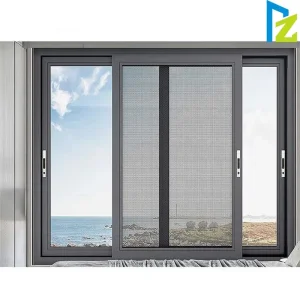
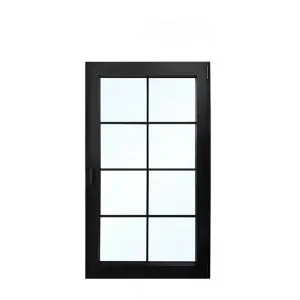
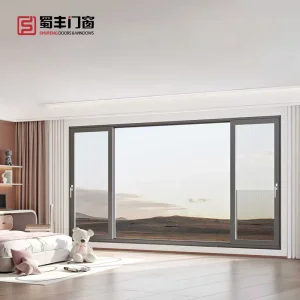
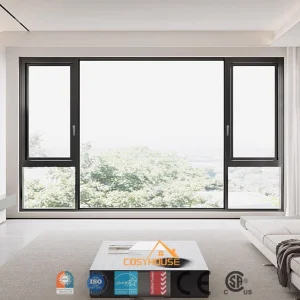
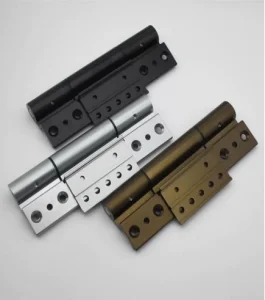
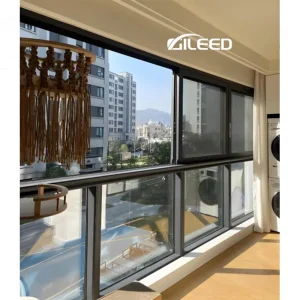
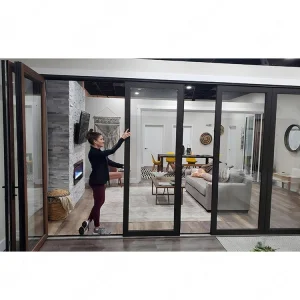
In modern sustainable construction, the thermal envelope is paramount. Standard aluminum frames, while strong and durable, have high thermal conductivity, leading to substantial energy loss. As a top China thermal break windows manufacturer and exporter, our engineering focus integrates structural durability with advanced thermodynamics.
A thermal break window utilizes a low thermal conductivity material placed between the interior and exterior aluminum profiles. This barrier—often constructed from glass-reinforced polyamide strips (PA66 GF25)—effectively isolates the temperature transition zone, preventing heat conduction.
China's industrial clusters for architectural hardware, aluminum extrusion, and advanced glass manufacturing are concentrated in regions like Guangdong and Shandong. Sourcing from a mature exporter provides distinct benefits:
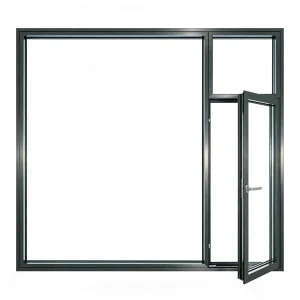
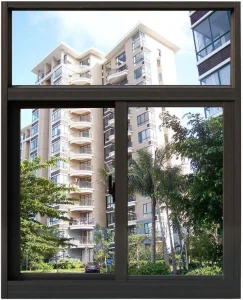
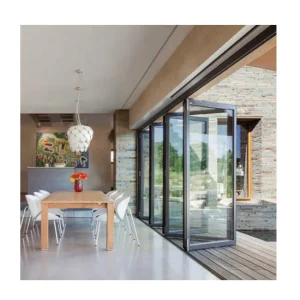
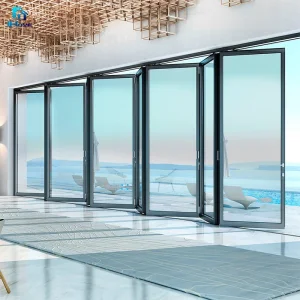
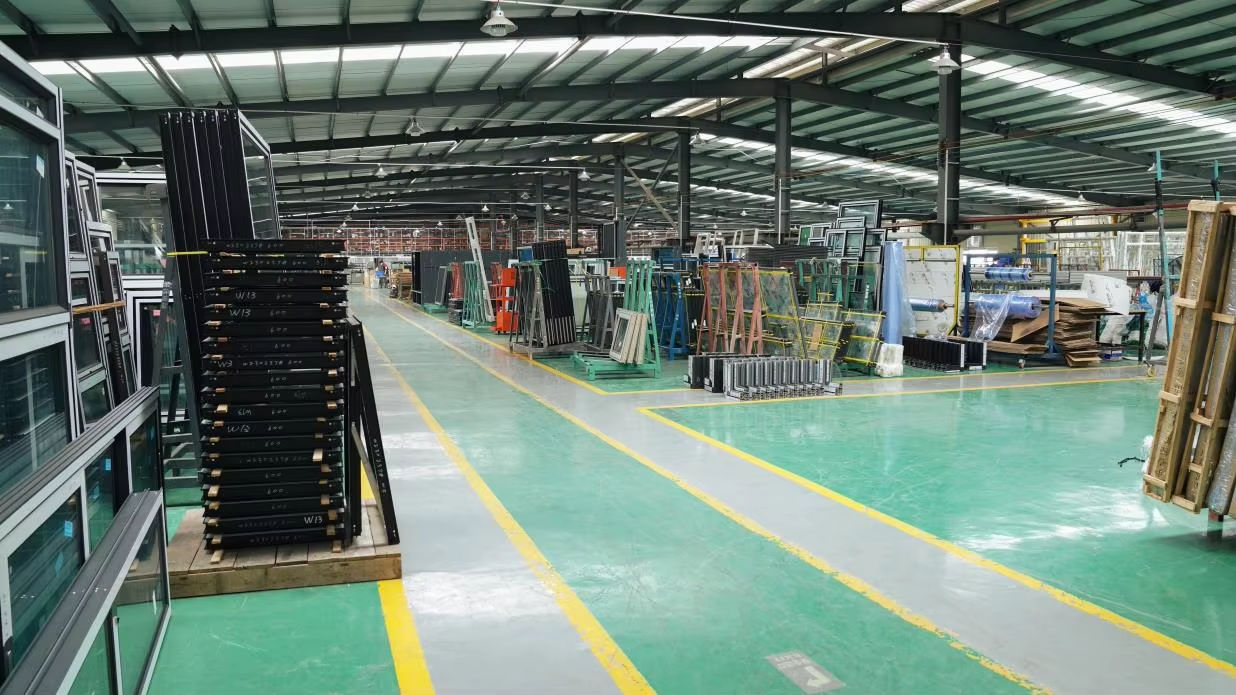
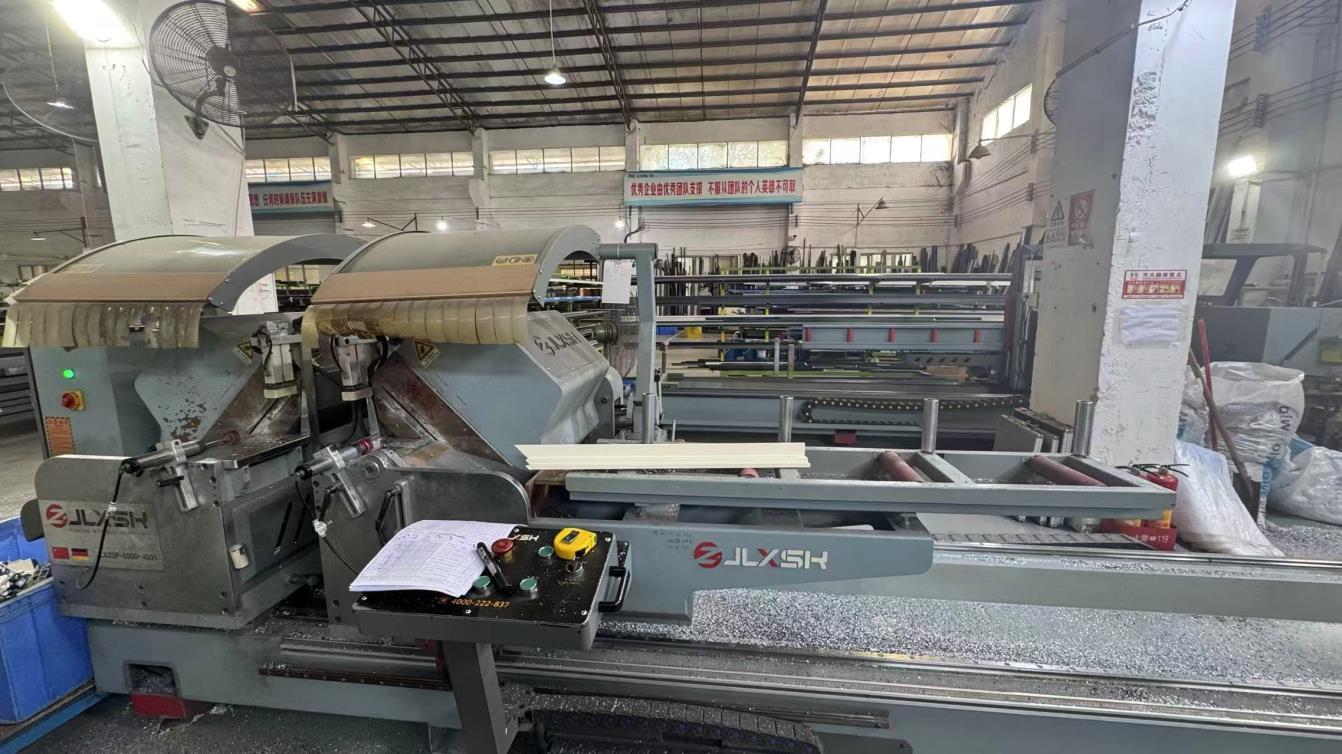
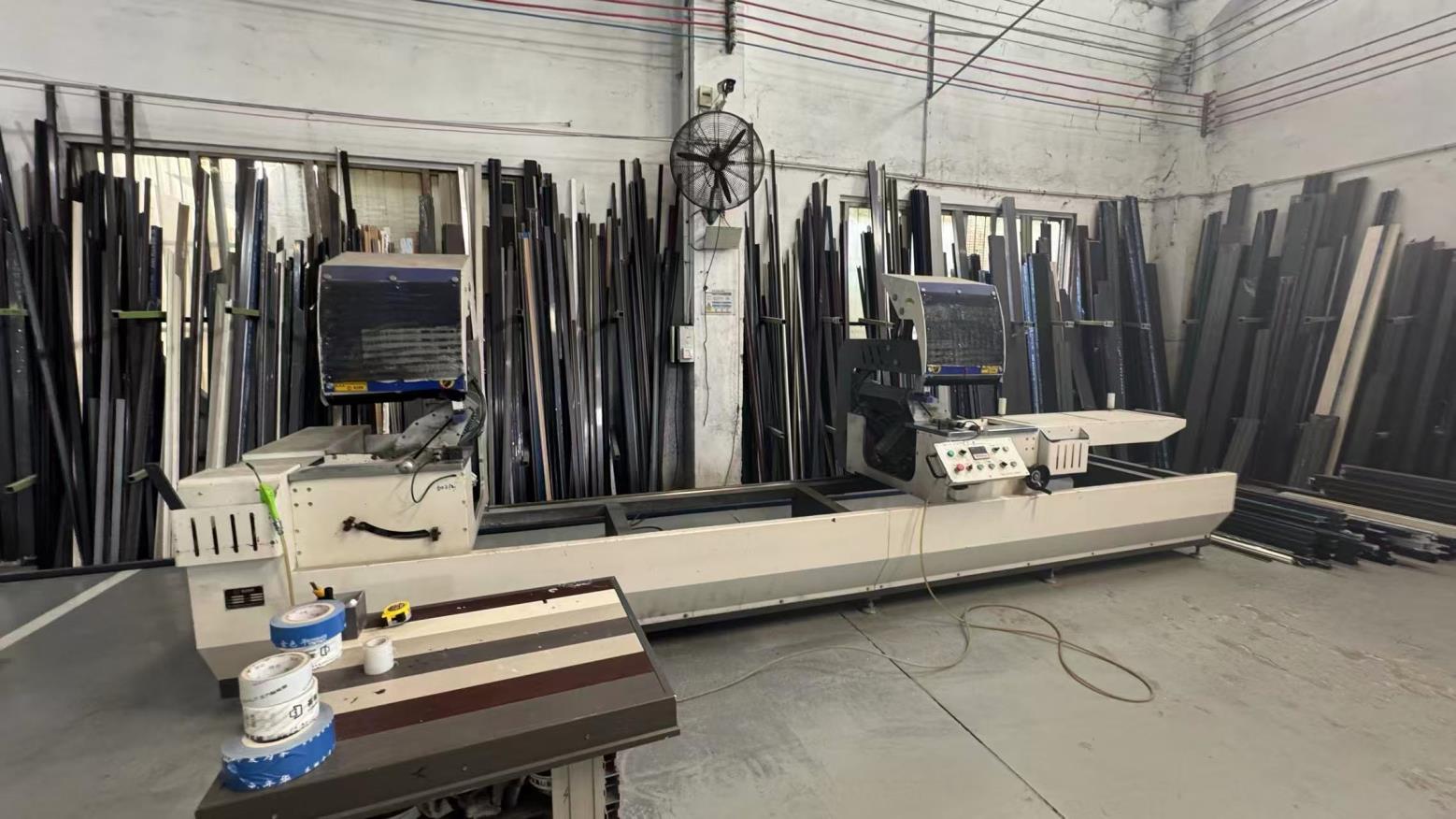
The company relies on modern standard factory buildings and management systems, introduces advanced German door and window technology, gathers senior designers in the industry, focuses on aluminum alloy doors and windows for 10 years, and provides integrated services from design to sales. The product line covers balcony sliding doors, indoor partition doors, sliding windows, casement windows, and folding doors, all of which follow high standard production processes to ensure excellent quality.
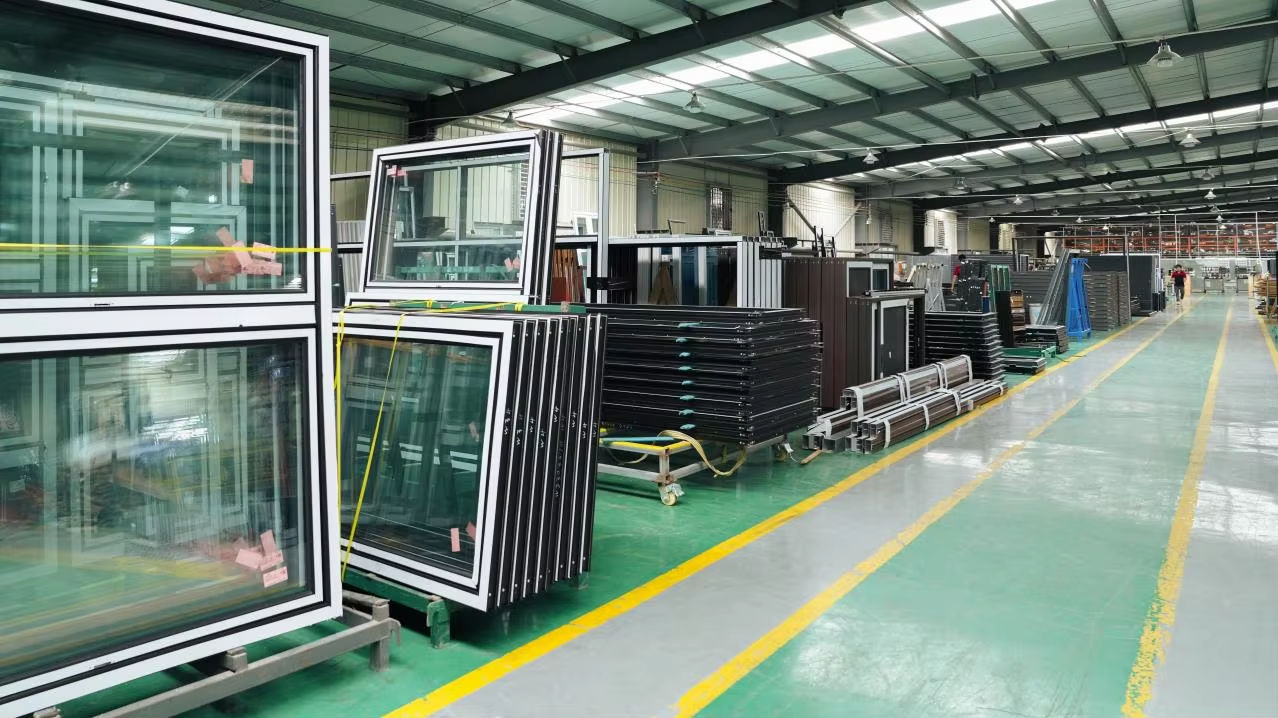
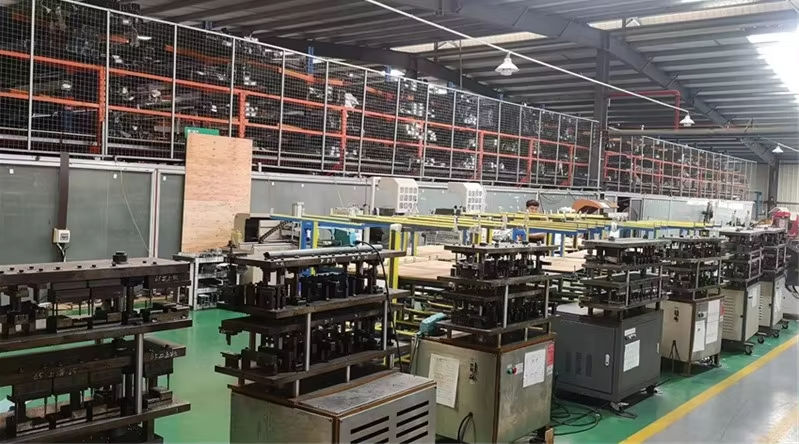
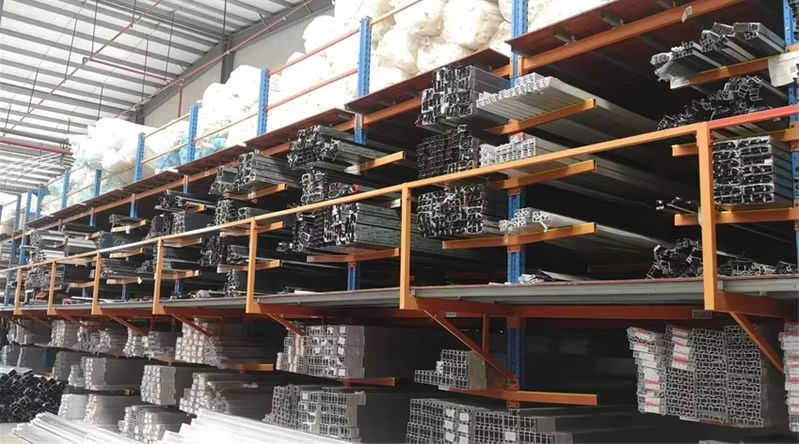
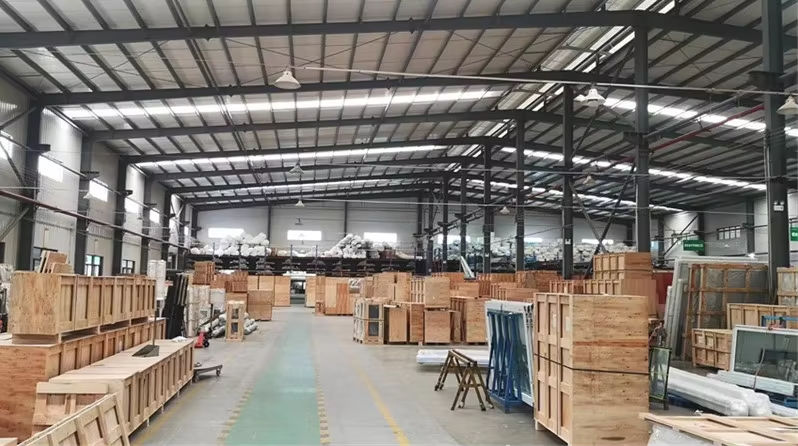
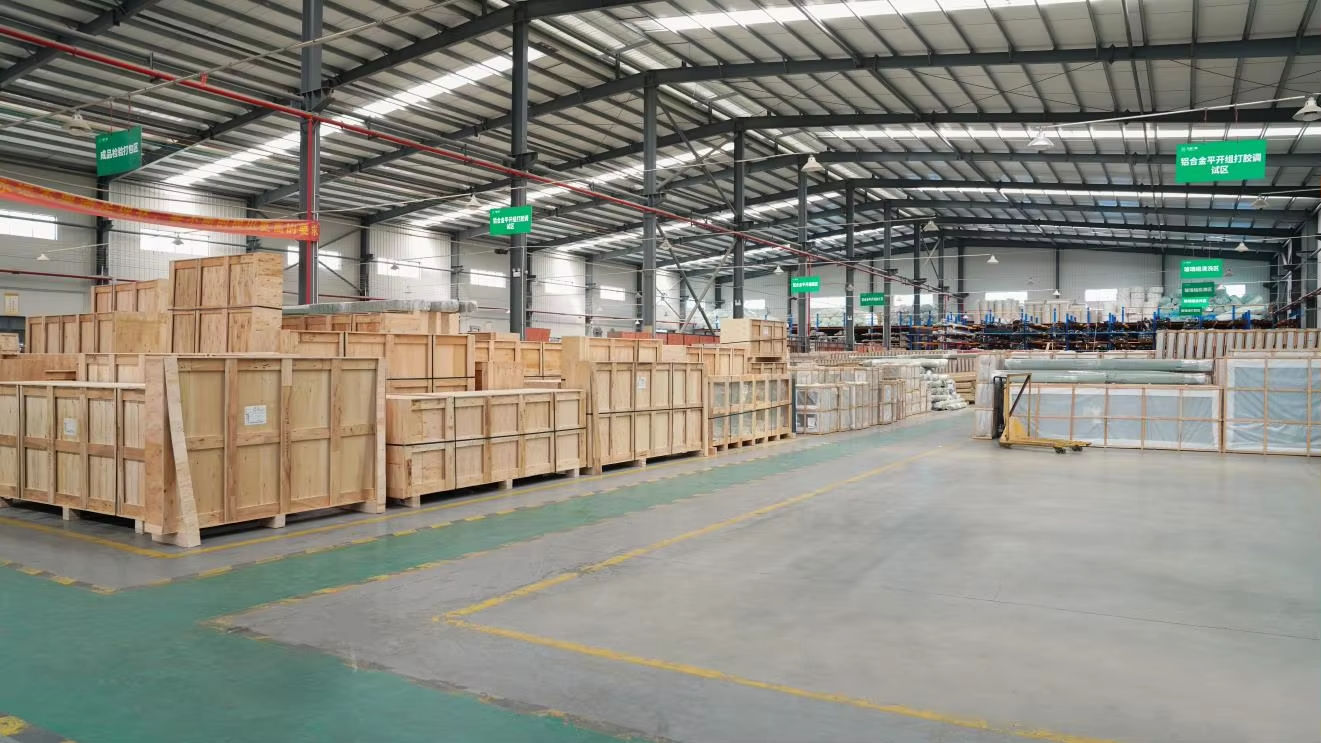
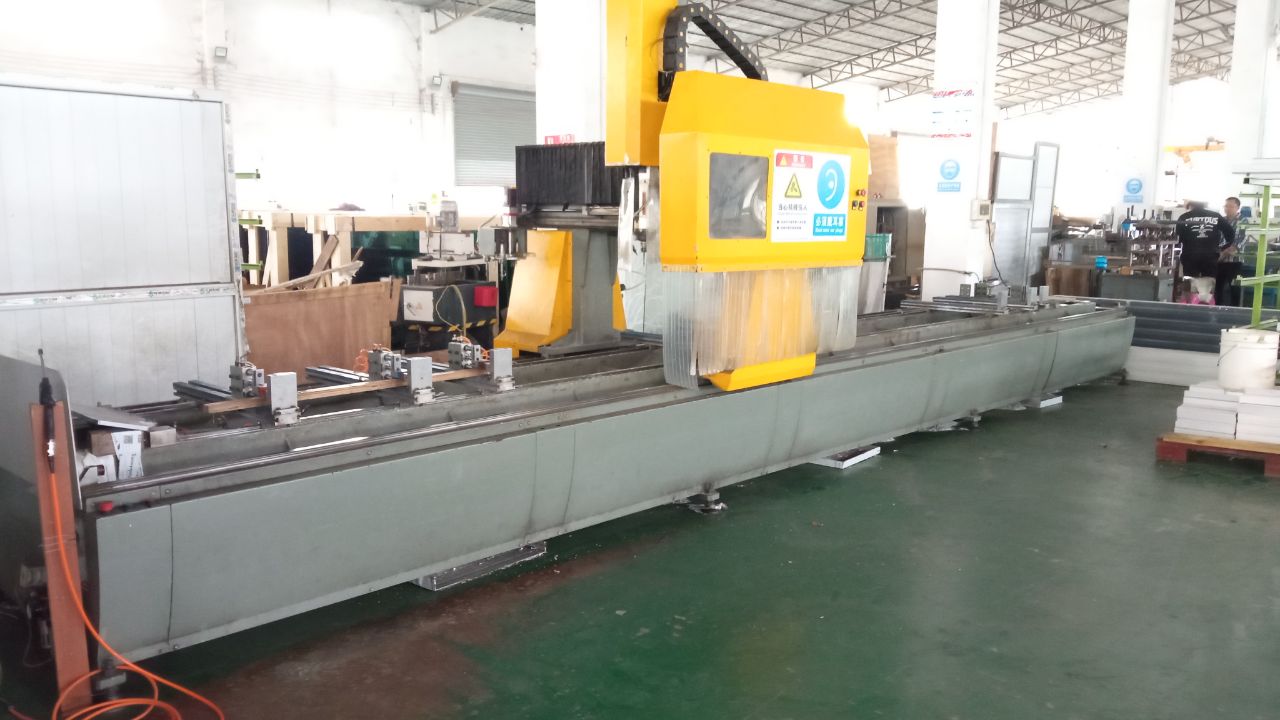
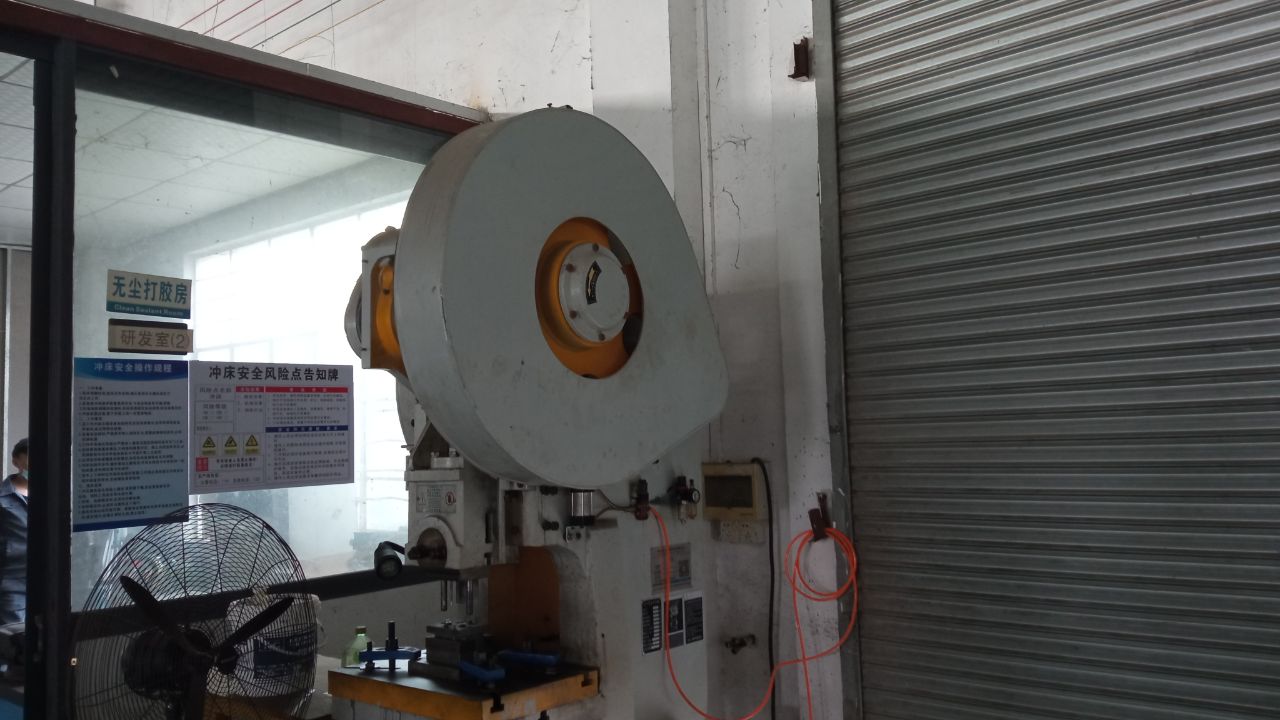
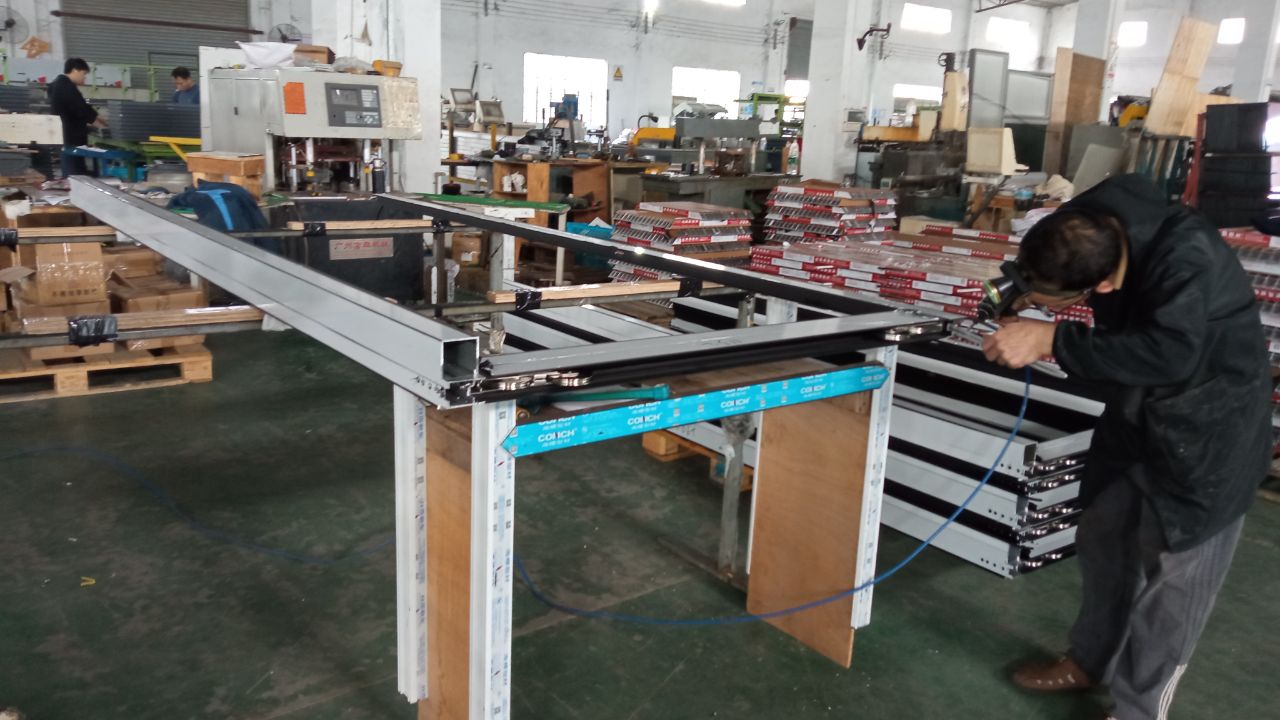
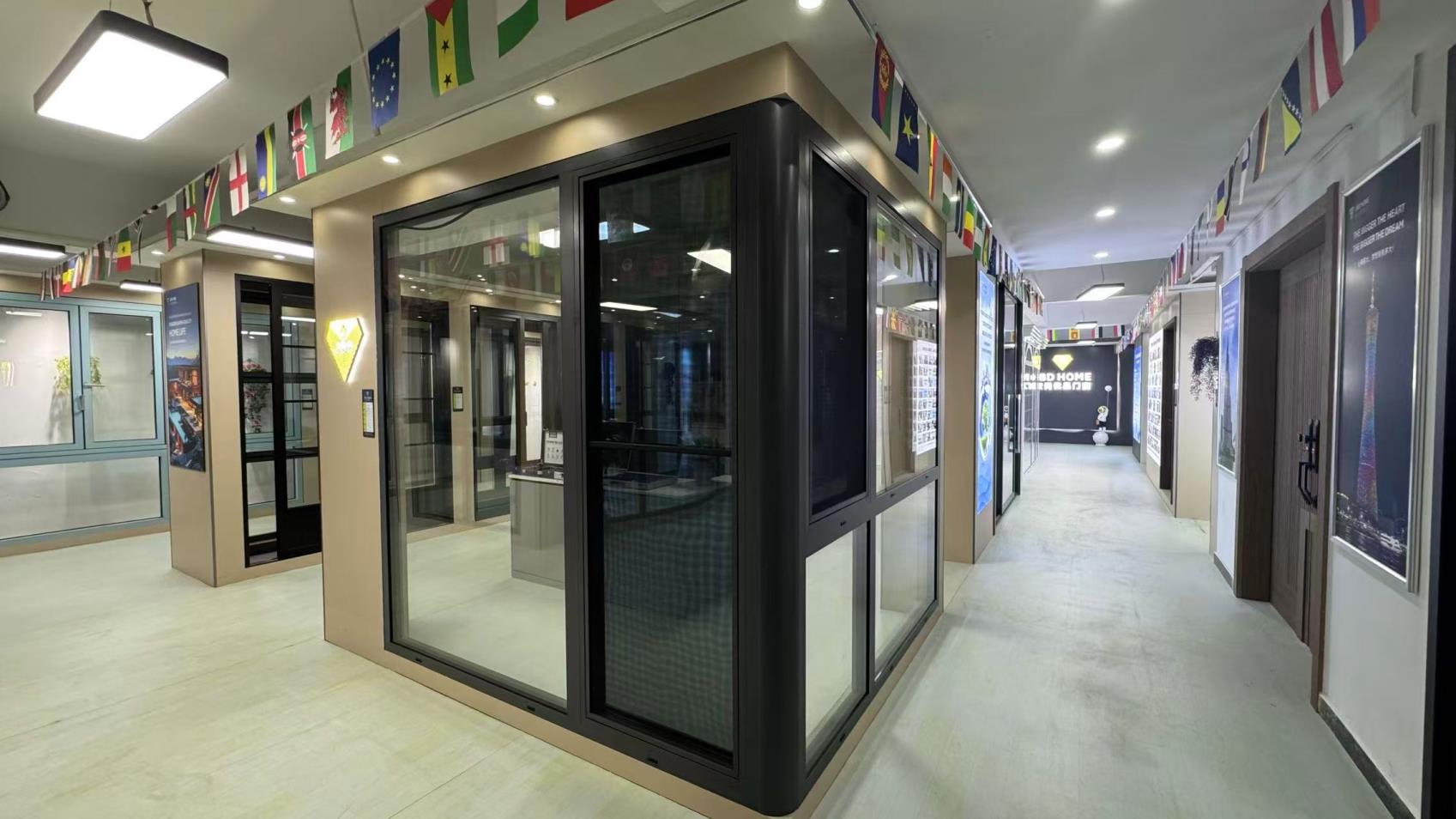
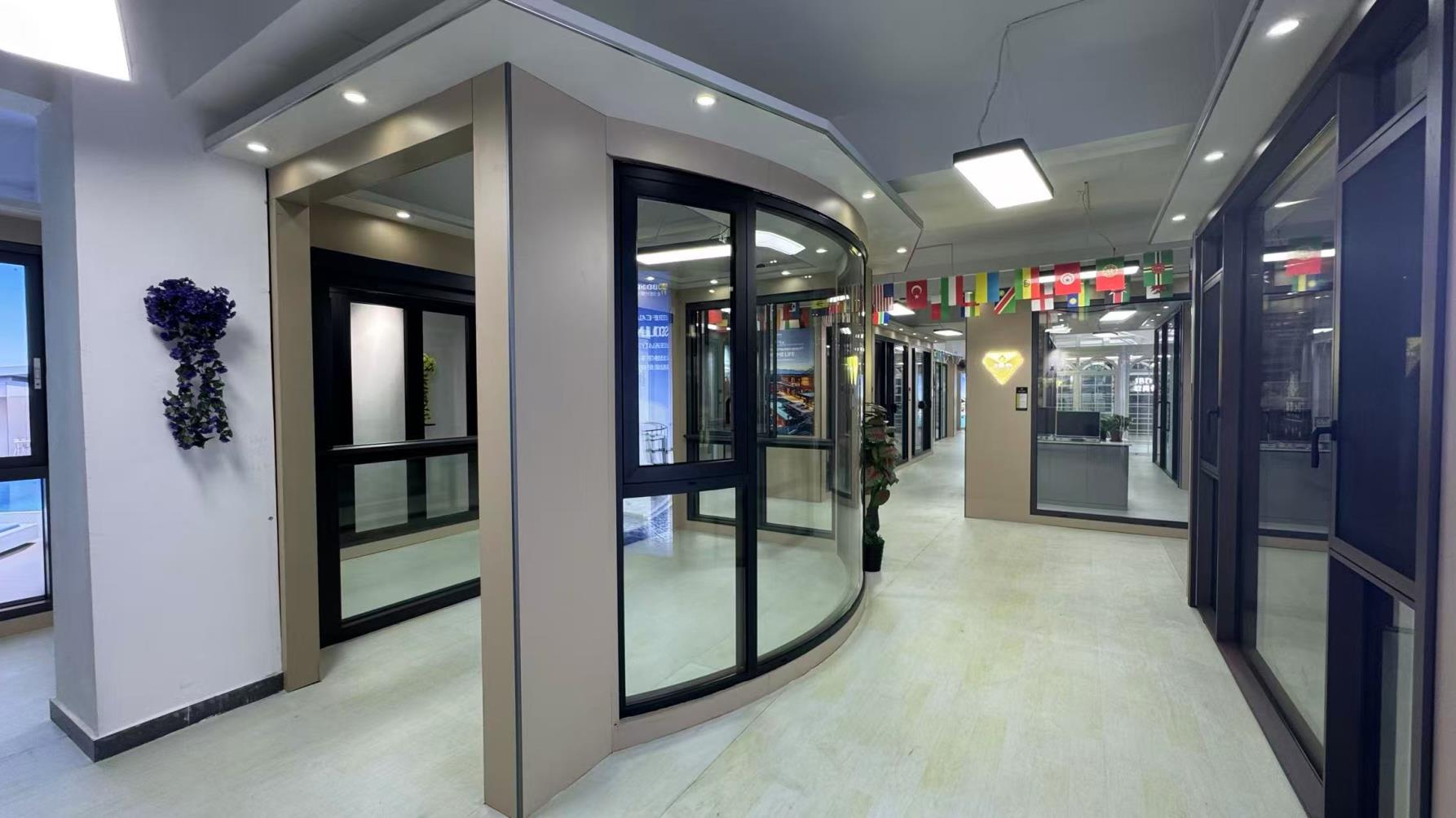
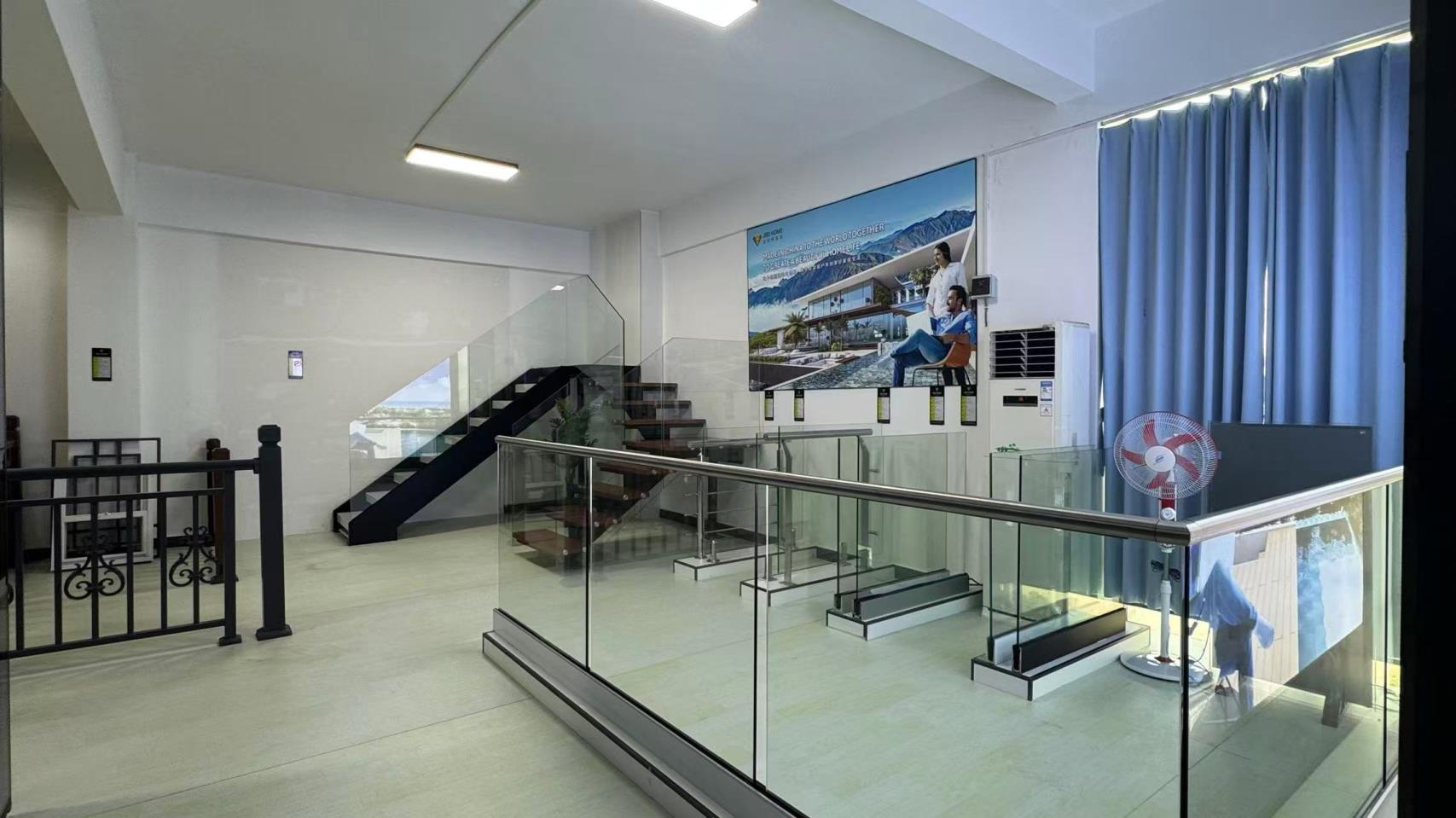
Modern fenestration demands varying solutions. We customize window systems to match distinct regional climates and structural performance criteria.
Double or triple insulated low-E glazing combined with wider polyamide thermal strips prevents condensation, controls thermal bridging, and preserves interior heat, meeting strict passive house standards.
Corrosion-resistant finishes (PVDF coating or structural anodization) block saline spray moisture. Heavy-duty dual sealing and heavy-gauge framing offer wind protection in hurricane-prone zones.
Asymmetric glass pane thicknesses combined with argon filled voids dramatically lower sound transmission, creating quiet, productive interior spaces for hotels, urban offices, and residential towers.
Understanding evolution in global window design is essential for real estate developers and architects looking to future-proof their building assets.
Regulatory frameworks, such as the EU's Energy Performance of Buildings Directive (EPBD) and ASHRAE 90.1 in North America, mandate lower building emissions. Selecting high-performance thermal break windows reduces heating and cooling energy use, aiding in compliance and securing green certifications like LEED, BREEAM, or DGNB.
Architects increasingly specify minimal sightlines to optimize natural daylight. Using structural glass elements alongside heavy-duty aluminum alloys allows for large panels with slim framing, maintaining wind load resistance and thermal values.
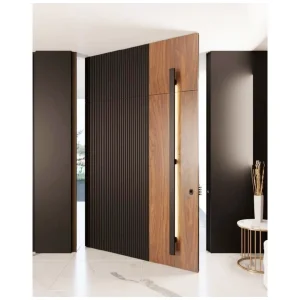
Composite materials combine benefits of different elements. Combining structural aluminum on the exterior with natural timber on the interior provides dual-layer performance, offering exterior weathering protection alongside warmth on the inside.
Find clear answers to key technical, supply, and compliance questions about sourcing commercial window profiles from China.
A window’s U-Factor (the rate of non-solar heat flow) is determined by the thermal conductivity of the frame material, the thickness of the thermal break strip, the depth of the glazing unit, and the gas filling (Argon or air). The Solar Heat Gain Coefficient (SHGC) is controlled by specialized Low-E (low-emissivity) coatings on the glass surfaces that block infrared radiation while allowing visible light through.
Reputable manufacturers use certified components (such as Technoform polyamide insulation strips and Siegenia or Sobinco hardware) and submit complete window systems to international laboratories (Intertek, TUV, or SGS) for thermal transmittance, air infiltration, water resistance, and structural load testing. Certified test reports are supplied to project managers during procurement.
Polyamide 6.6 reinforced with 25% glass fiber (PA66 GF25) exhibits thermal expansion characteristics similar to aluminum. This prevents internal stresses, warping, or separation when temperatures shift. Additionally, polyamide possesses high tensile strength and can withstand powder-coating baking temperatures, which PVC cannot tolerate.
Following technical drawings approval and deposit confirmation, the production cycle ranges from 30 to 45 days. Windows are packed in protective plywood crates to withstand ocean transit. Ocean freight shipping generally takes 15 to 40 days, depending on destination port location.
Yes. Experienced B2B window exporters maintain engineering and design departments using CAD/BIM software. They review architectural elevations, calculate wind-load requirements, and modify extrusion shapes or frame thicknesses to match structural specifications.
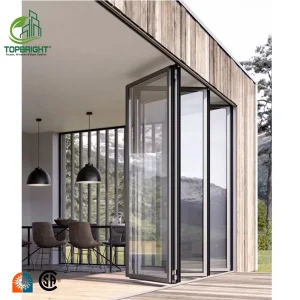
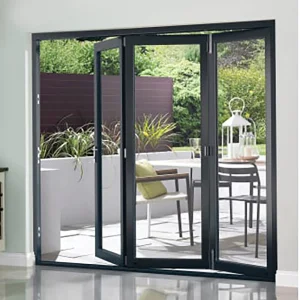
Explore our range of heavy-duty folding glass doors, composite wood-clad profiles, and impact-resistant designs suitable for both commercial and residential use.