Topanish Door
Topanish Door
Topanish Door
Premium aluminum fenestration and structural glazing engineered for international thermal, structural, and acoustic compliance standards.
Modern building design increasingly demands transition-free spatial configuration, optimal structural performance, and low carbon footprints. The transition from traditional swing systems to high-performance, heavy-duty aluminum folding doors (bi-fold systems) represents a major paradigm shift in global architectural preferences.
Historically restricted to interior partitions, modern advances in thermal breaks, structural sealant glazing (SSG), and multi-point lock hardware have elevated aluminum folding doors to a primary exterior envelope choice. As building envelopes must now contribute actively to operational efficiency, contemporary folding doors are engineered to achieve low U-values, high resistance to structural wind loads, and certified water tightness.
Architects favor maximized daylight openings. Modern profile designs utilize structural-grade T5 or T6 tempered aluminum alloys to decrease sightlines while maintaining load capacities exceeding 300kg per sash.
Integration of multi-cavity polyamide thermal break strips (e.g., Technoform) limits thermal bridge heat loss, enabling compliance with strict regional energy policies like ASHRAE 90.1 and European Passive House specifications.
For international project managers, developers, and commercial specifiers, sourcing fenestration systems from China requires balancing costs with strict QA/QC compliance. The modern procurement lifecycle demands proof of compliance, including:
When assessing premium Chinese exporters, ensure structural engineers verify the alloy grade, EPDM gasket quality, and heavy-duty stainless-steel multi-point locking hardware configurations.
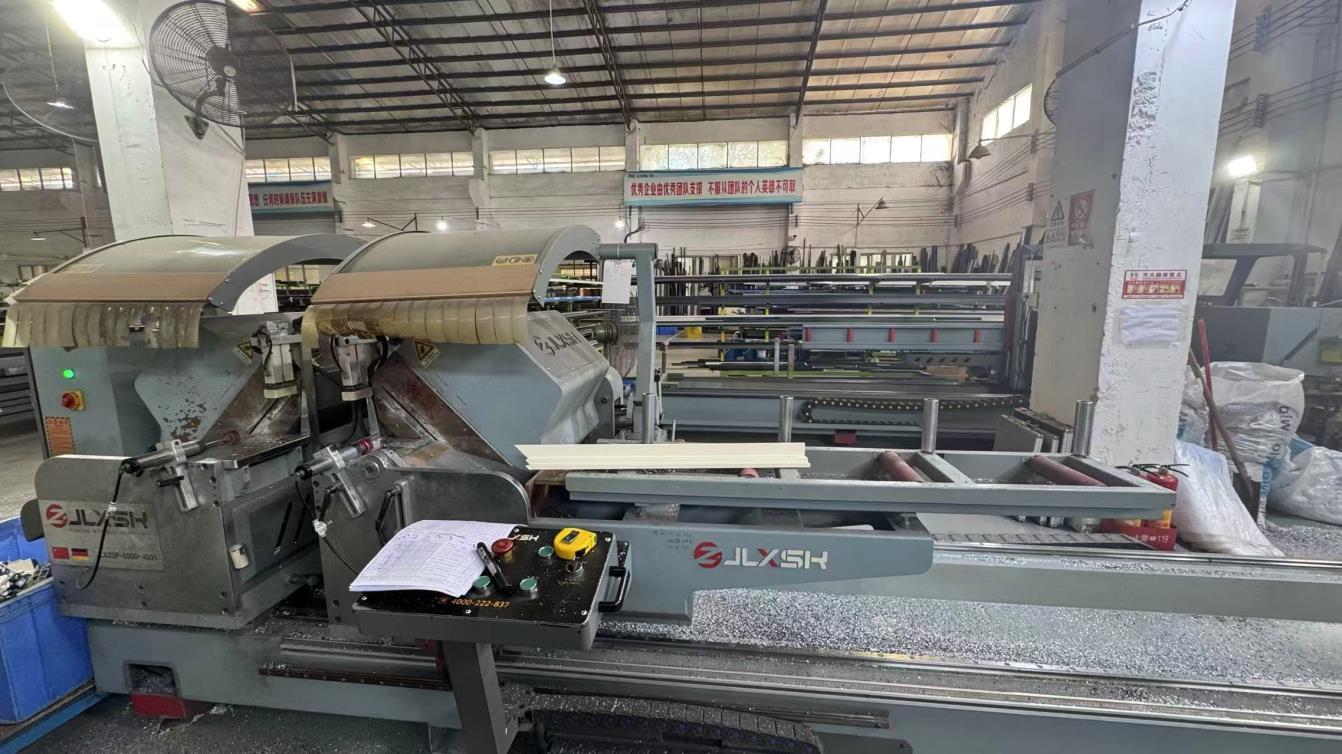
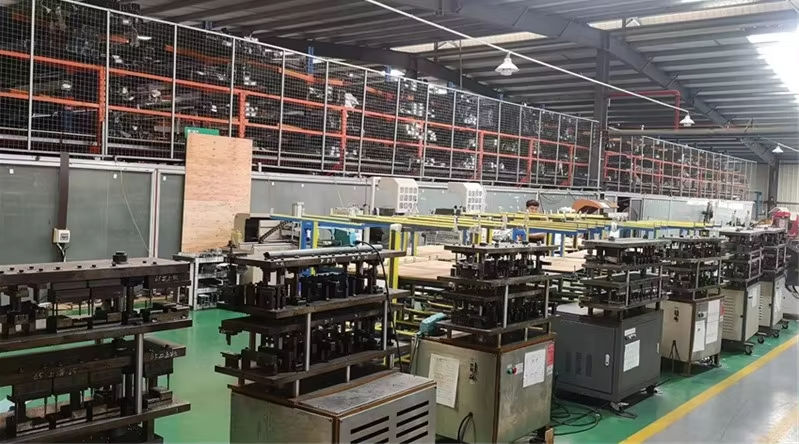
German technology alignment combined with advanced automated assembly line operations ensuring zero-defect production.
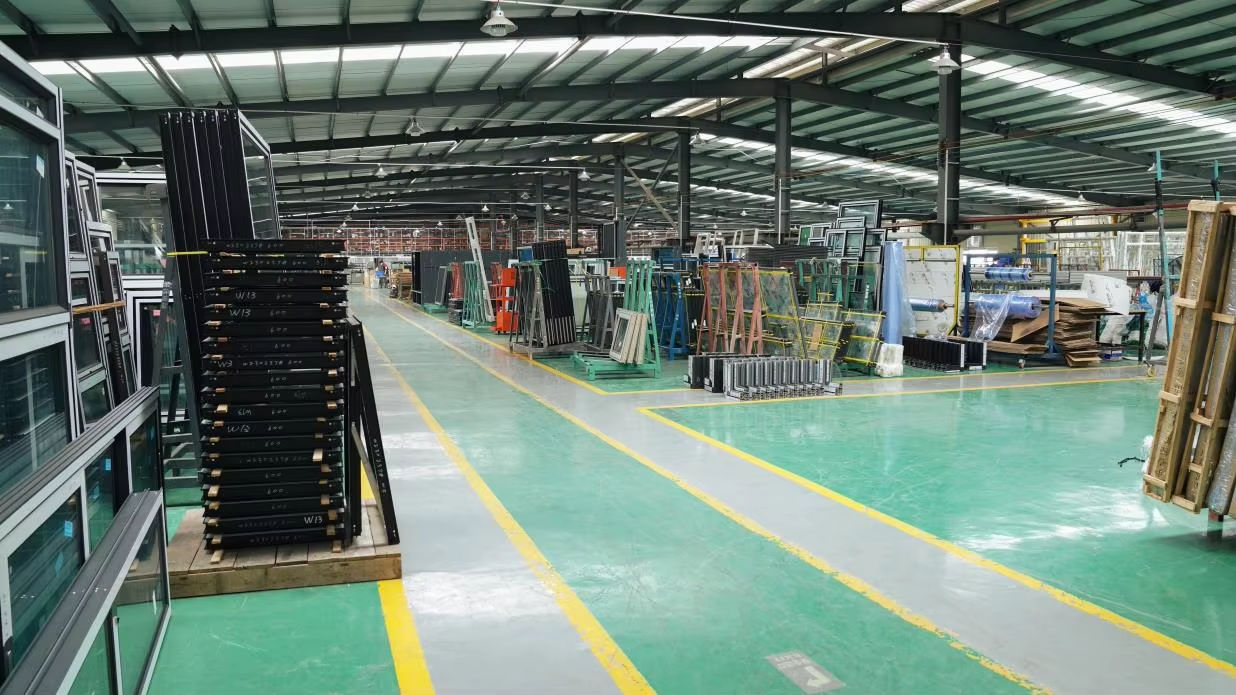
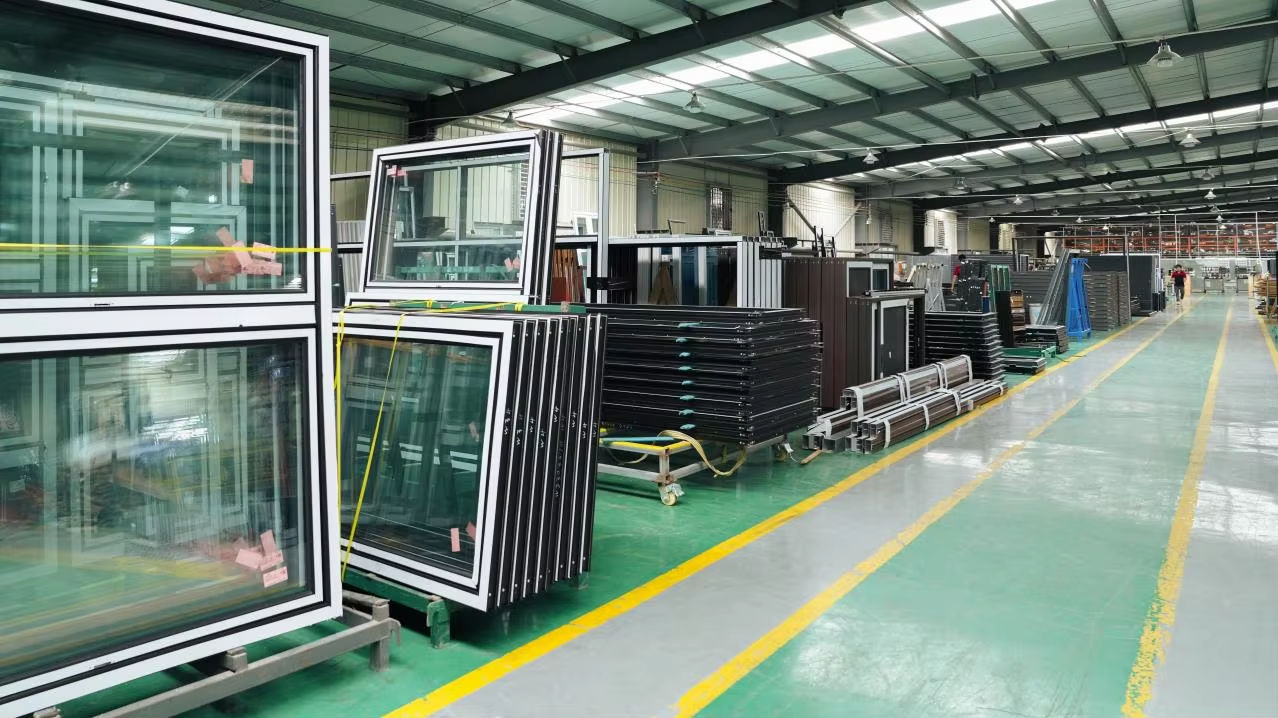
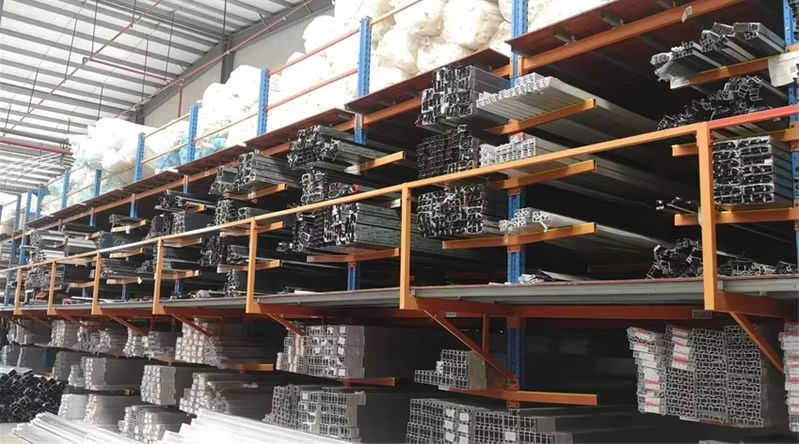
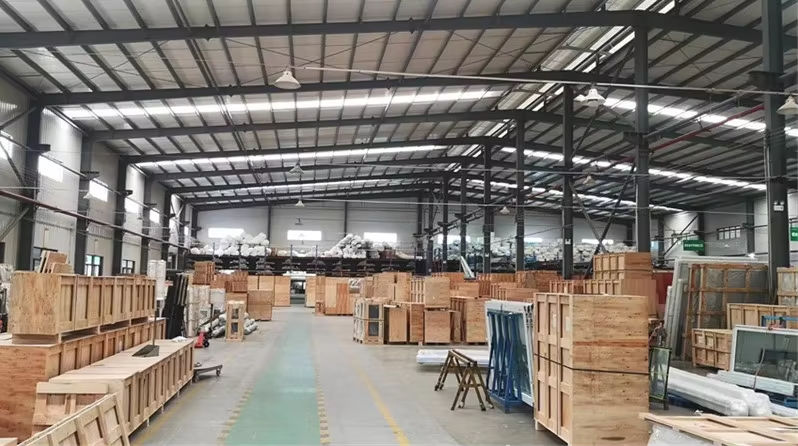
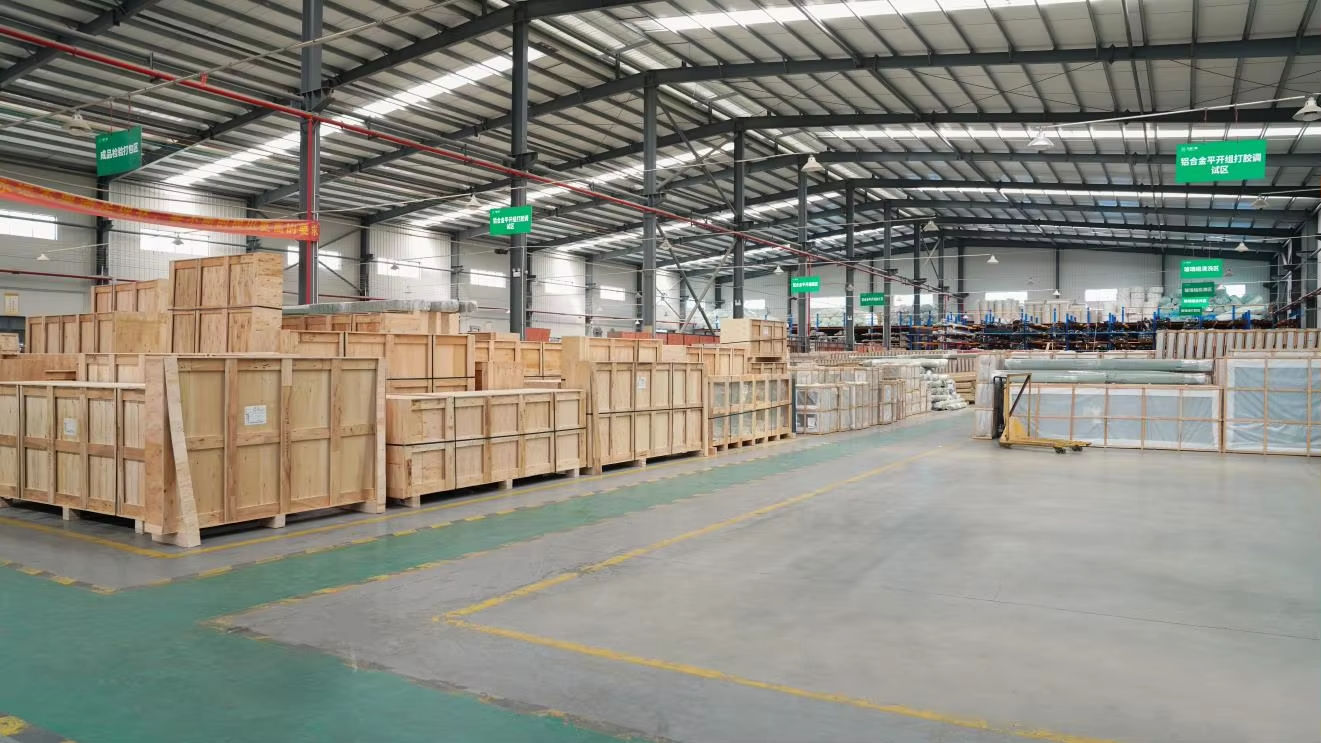
Our production framework pairs advanced German engineering standards with automated Chinese manufacturing efficiency, ensuring scale, precision, and reliable delivery.
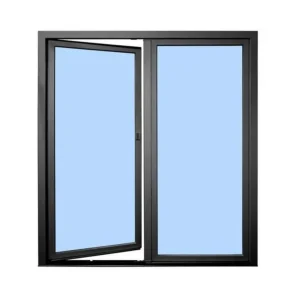
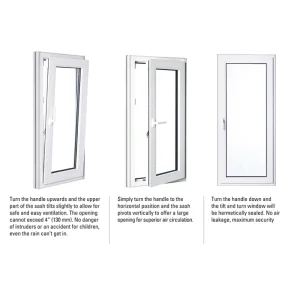
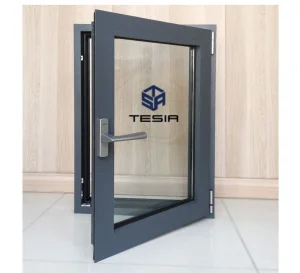
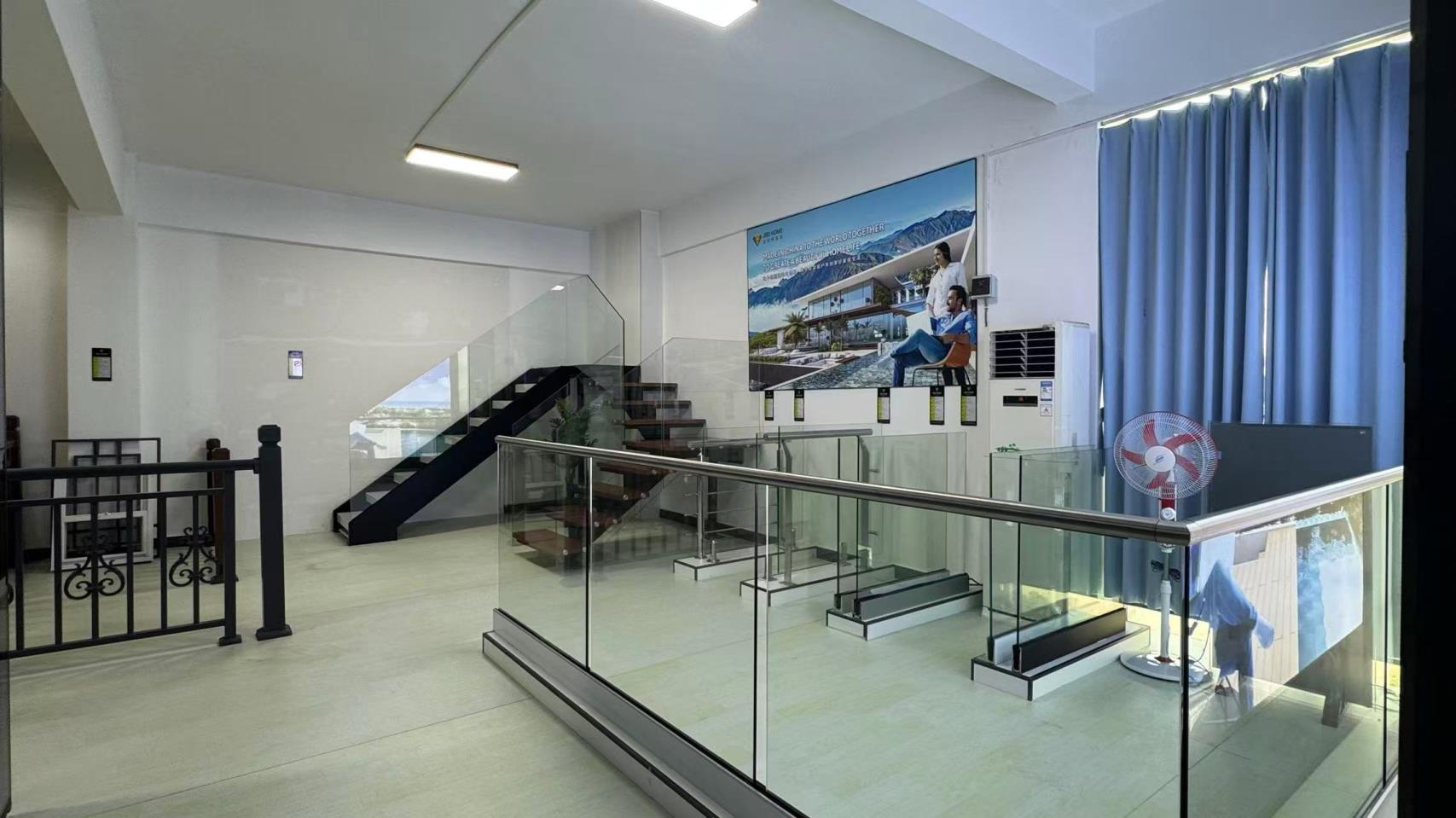
The company utilizes modern standard factory buildings and management systems, introducing advanced German door and window technology. We gather senior designers in the industry, focusing on aluminum alloy doors and windows for 10 years, and providing integrated services from design to sales. The product line covers balcony sliding doors, indoor partition doors, sliding windows, casement windows, and folding doors, all following high-standard production processes to ensure excellent quality.
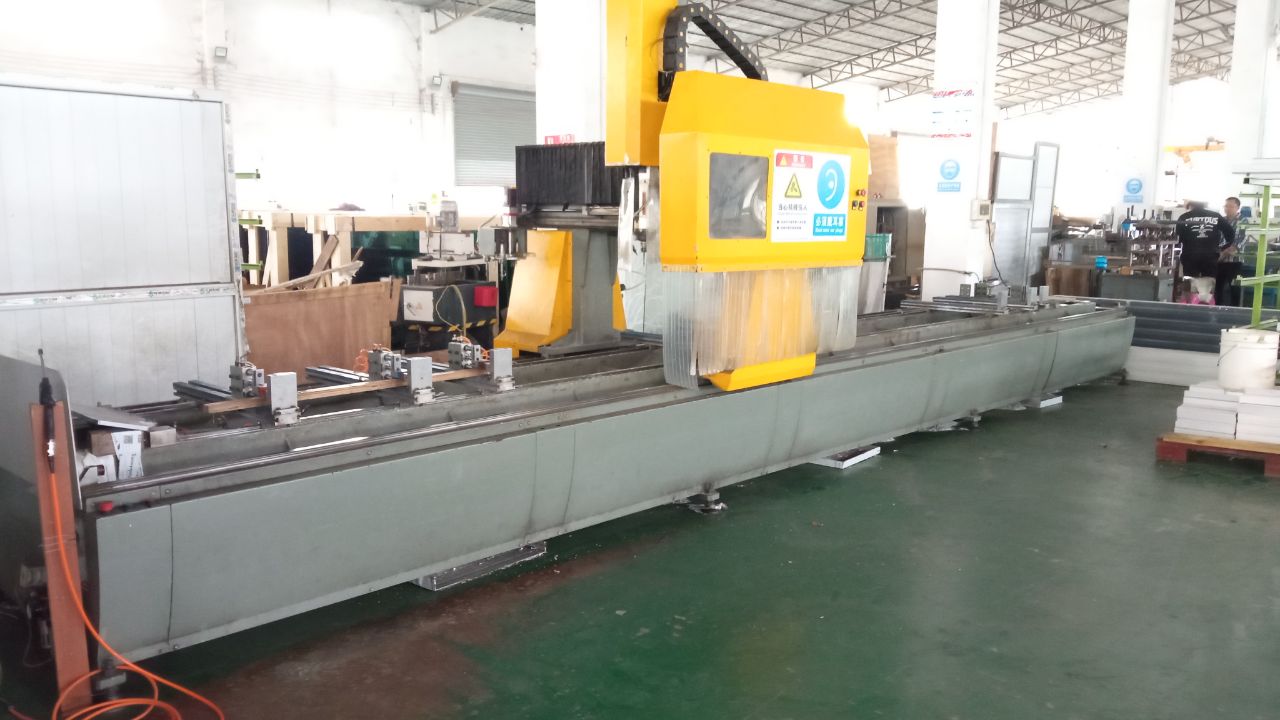
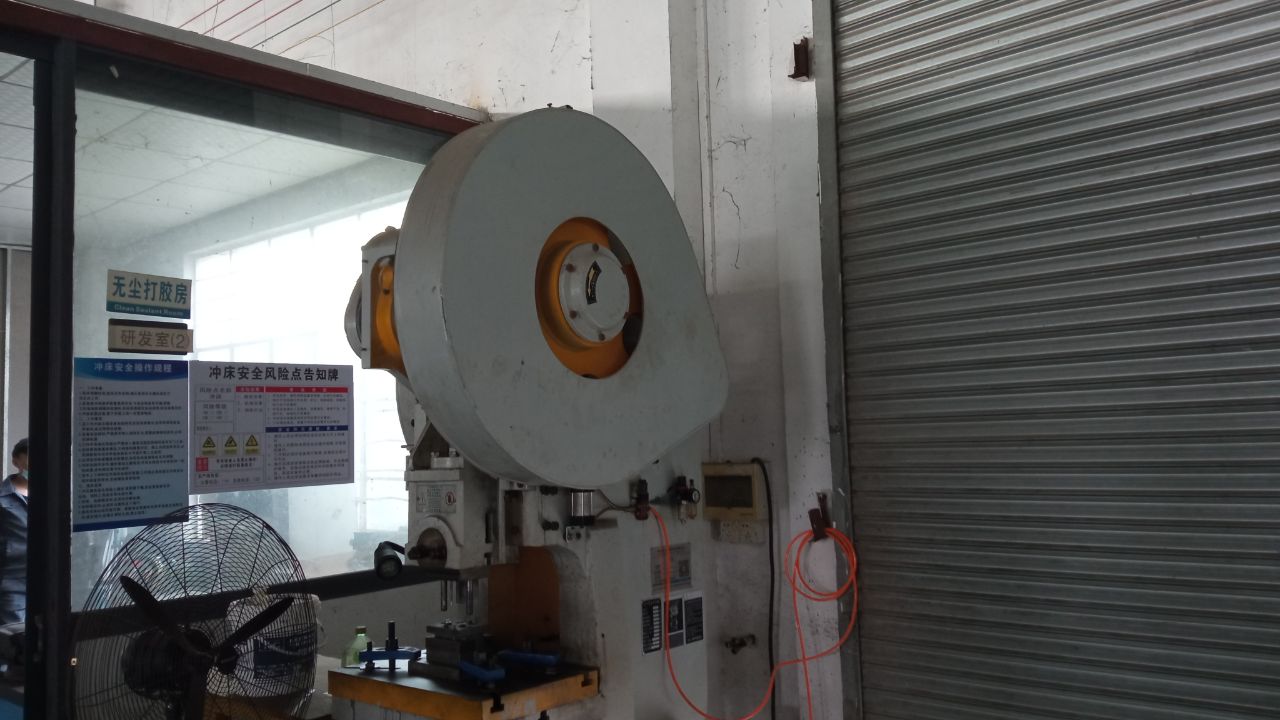
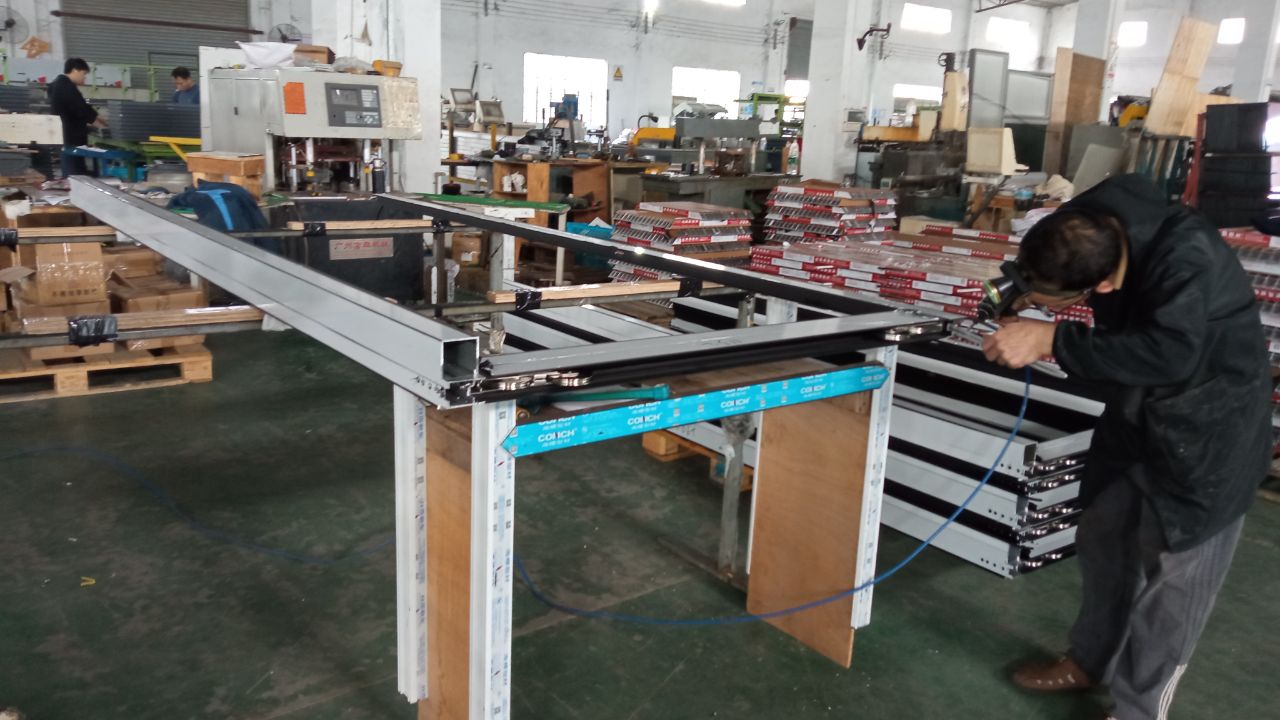
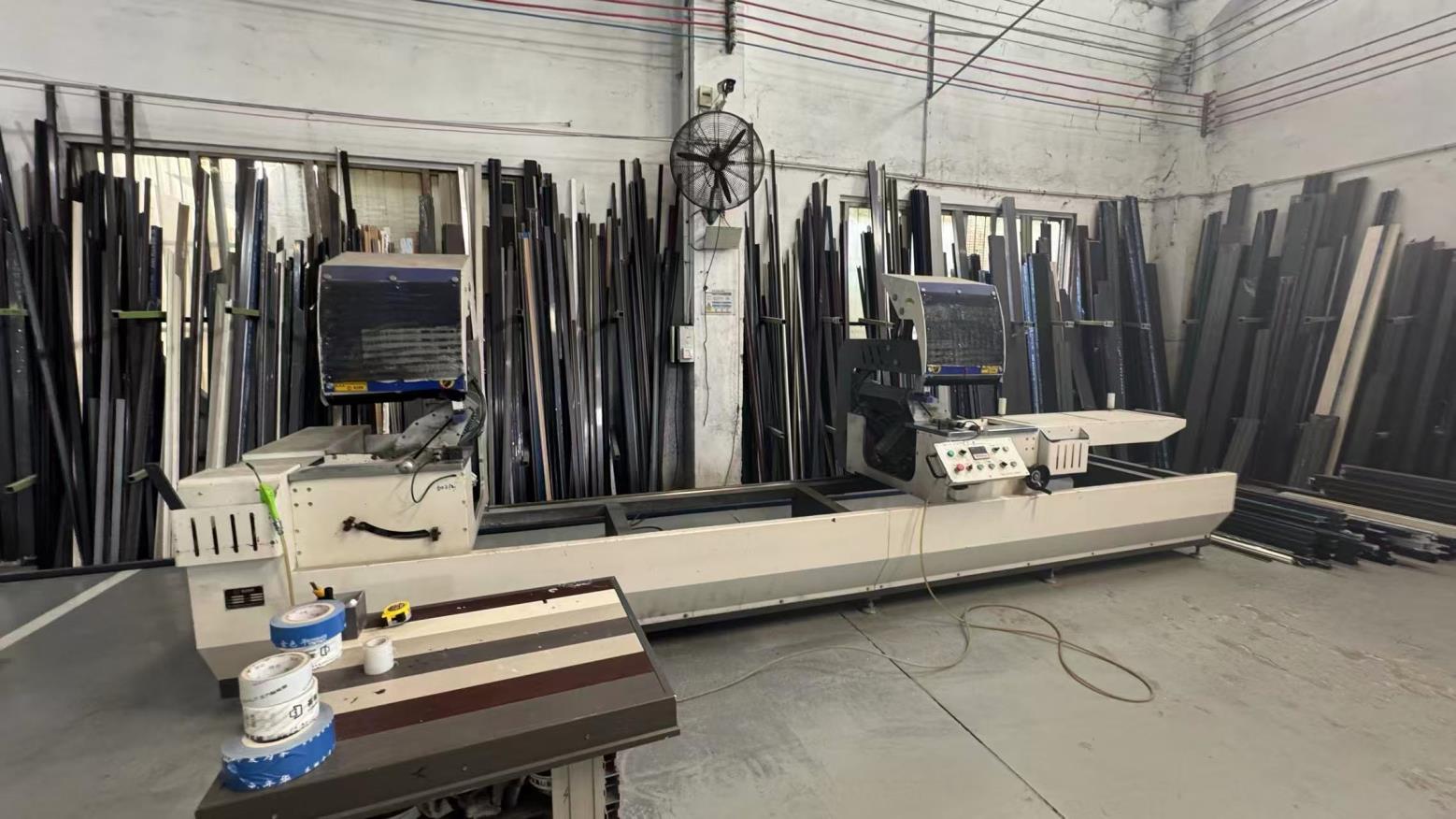
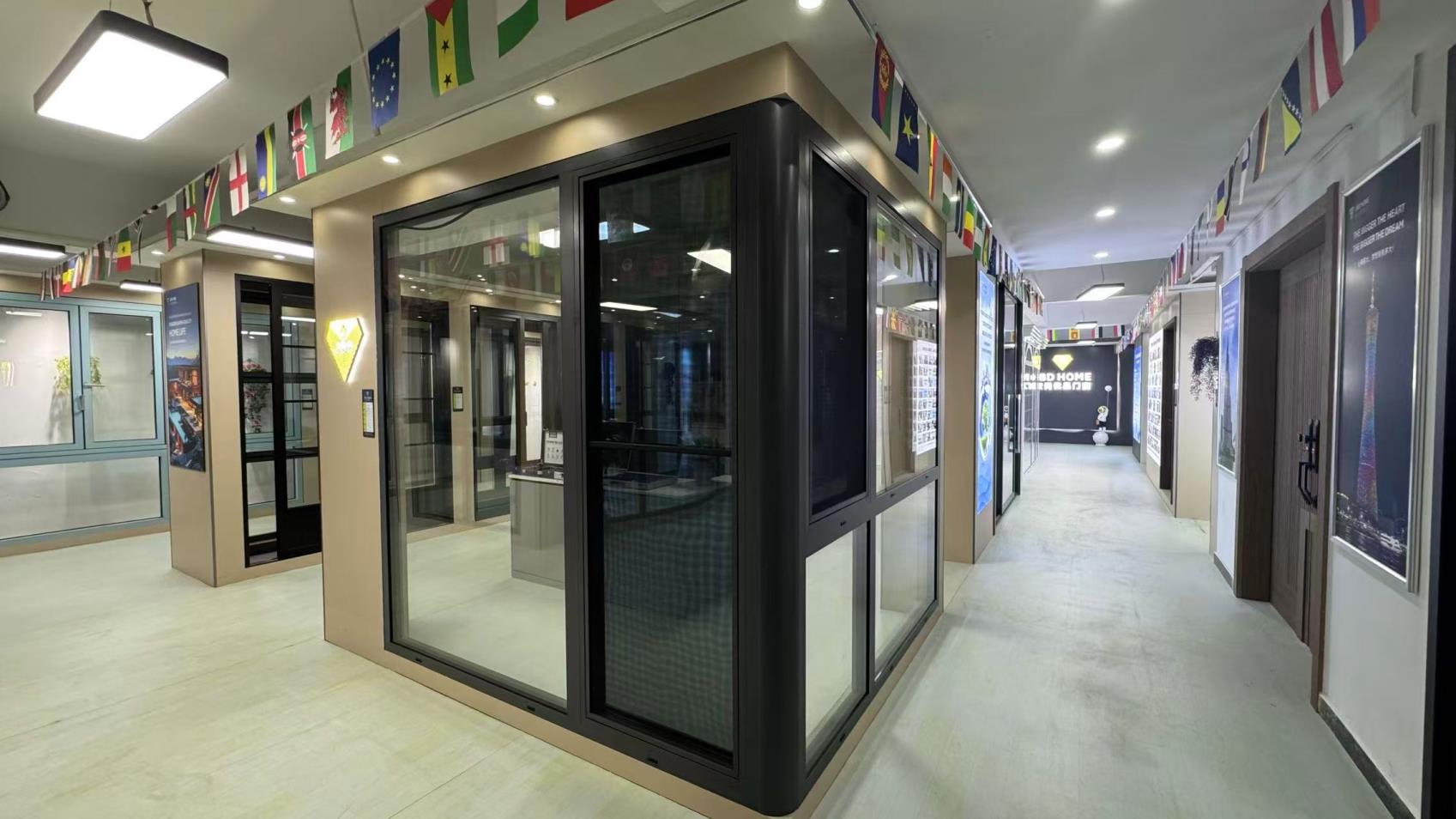
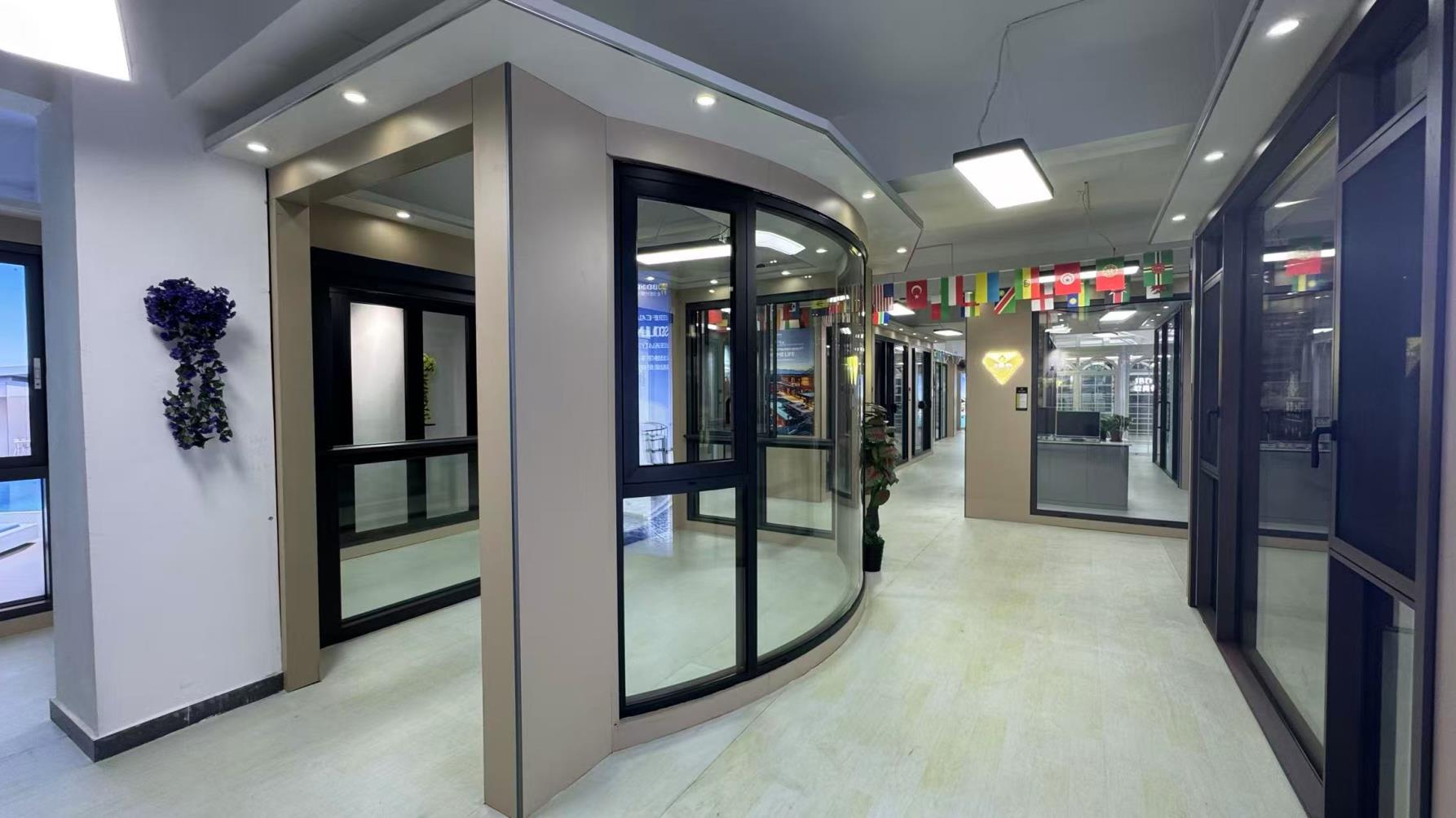
Matching structural engineering specifications to specific commercial and high-end residential applications.
Ideal for restaurants, premium auto showrooms, and storefront configurations. Bottom-rolling guide systems reduce head load requirements, allowing clean integrations into existing structural beams.
For custom balconies, patios, and sunrooms. Utilizes low-threshold profiles (ADA compliant) with multi-drain structural designs to prevent water infiltration while maintaining flush floor finishes.
Designed for coastal regions prone to typhoons. Engineered with heavy-duty multi-point hardware and double structural EPDM gaskets, achieving dynamic water tightness ratings of up to 750 Pa.
Critical criteria for international trade compliance, container packing, and onsite system adjustments.
Sourcing large-scale folding door systems globally introduces logistical challenges that can impact project schedules. Ensuring high-performance systems arrive safely and are installed correctly requires focusing on two main areas:
Because aluminum extrusion profiles and high-performance IGUs are sensitive to impacts and moisture, we package all panels in customized, fully enclosed plywood crates. Glass panels are separated by soft cork spacers, and each bundle is wrapped in vacuum-sealed moisture-barrier films to prevent aluminum oxidation during ocean transit.
Even minor structural shifts can affect the movement of a multi-panel folding door. Our structural systems are engineered with adjustable hinges and roller carrier assemblies. This lets onsite installation teams adjust tolerances by up to ±5mm vertically and horizontally, compensating for building settlement without compromising thermal or airtight seals.
Our QC processes check critical parameters at every manufacturing stage:
Addressing key engineering and logistics questions from international buyers, developers, and specifiers.
From smart glass integrations to heavy-duty sliding systems, explore our full product range engineered for global export.