Topanish Door
Factory-direct pitched roof window systems, thermal-break aluminum windows and doors, security entrances, and project-specific fenestration solutions supported by auditable quality processes, compliance pathways, and global logistics.
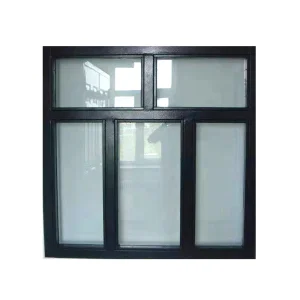
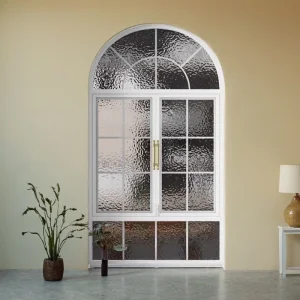
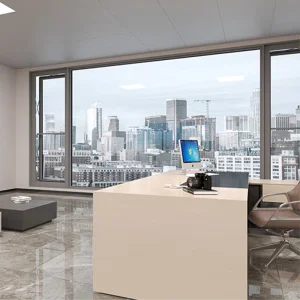
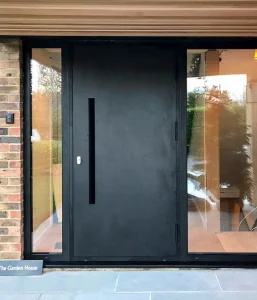
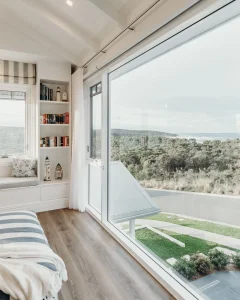
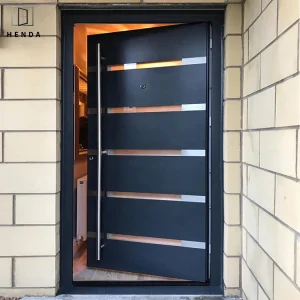
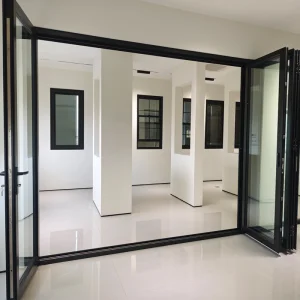
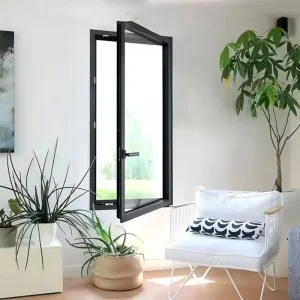
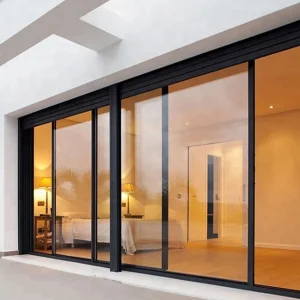
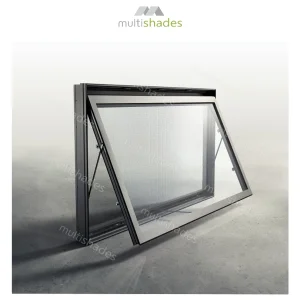
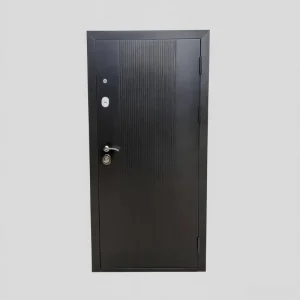
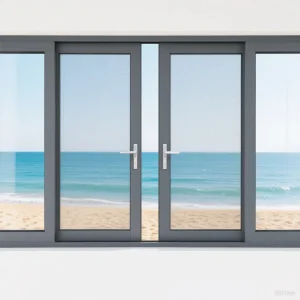
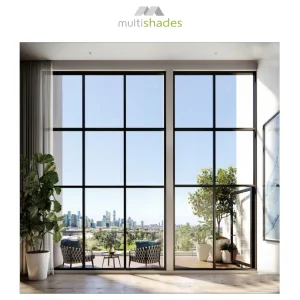
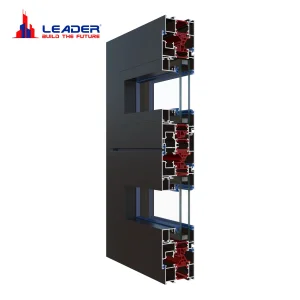
These eight representative export systems show the manufacturing platform behind our roof window and fenestration offer: profile preparation, thermal-break assembly, precision hardware, glazing integration, sealing discipline, and export-ready packing. Roof windows are engineered as part of the same envelope logic that governs every window, door, and security system shown below.
Search intent around this phrase is rarely a single transactional query. It combines roof window performance, supply chain credibility, certification pathways, customization, logistics, installation support, and long-term service. A serious manufacturer must answer all of these questions with evidence, not slogans.
For architects, distributors, contractors, and property developers, a roof window is not simply a glazed opening. It is an interface between daylight, ventilation, weather protection, thermal comfort, acoustic control, fire safety, and maintenance access. In pitched roof applications, small design decisions can create large consequences: flashing geometry, drainage paths, condensation control, hinge placement, frame insulation, glass specification, and exterior shading all influence the lifetime performance of the building envelope. That is why the phrase China top roof windows manufacturer should be evaluated through engineering depth, production control, and export reliability rather than unit price alone.
Our manufacturing experience is rooted in aluminum alloy doors and windows, with more than ten years of focus on design, fabrication, assembly, and sales integration. Roof windows, casement windows, sliding systems, folding doors, fixed glazing, electric push-out windows, and security entrances share several core competencies: precision cutting, reinforced thermal breaks, accurate hardware preparation, controlled sealing, and repeatable quality inspection. For global buyers, this shared platform reduces technical risk because the same factory discipline is applied across product families, whether the project requires a complete roof window package or a mixed fenestration schedule.
From an E-E-A-T perspective—experience, expertise, authority, and trust—the strongest suppliers make their processes visible. They explain how profiles are cut, how thermal breaks are assembled, how glazing is protected, how water drainage is tested, how hardware cycles are checked, and how documentation is prepared for customs and code review. They also state the limits of their claims. For example, a thermal value must be tied to a specific system, glass build-up, spacer, frame size, and test standard. A certification pathway must be tied to the destination market and the tested configuration. This level of precision is the difference between a supplier that sells products and a manufacturer that supports procurement decisions.
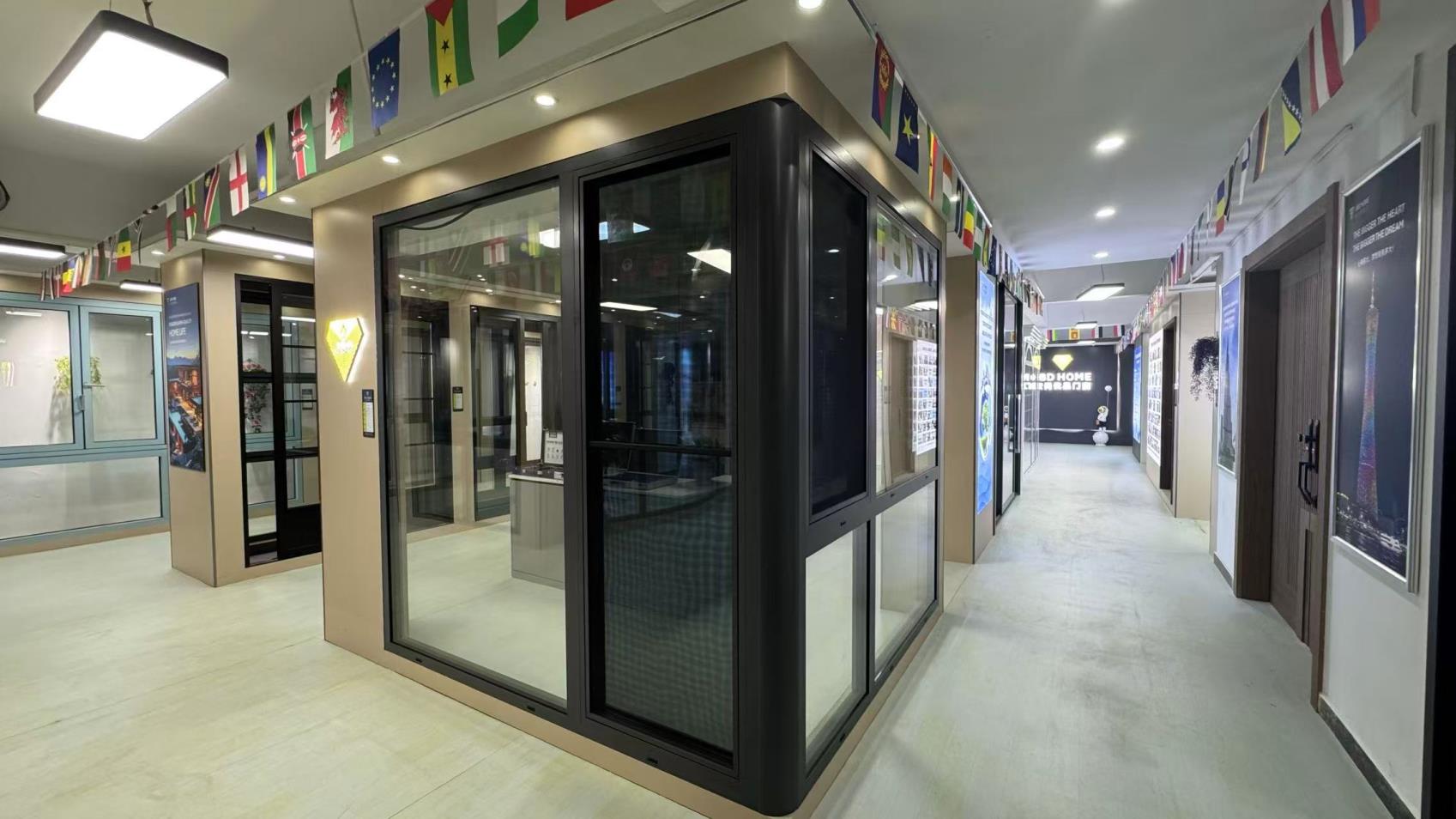
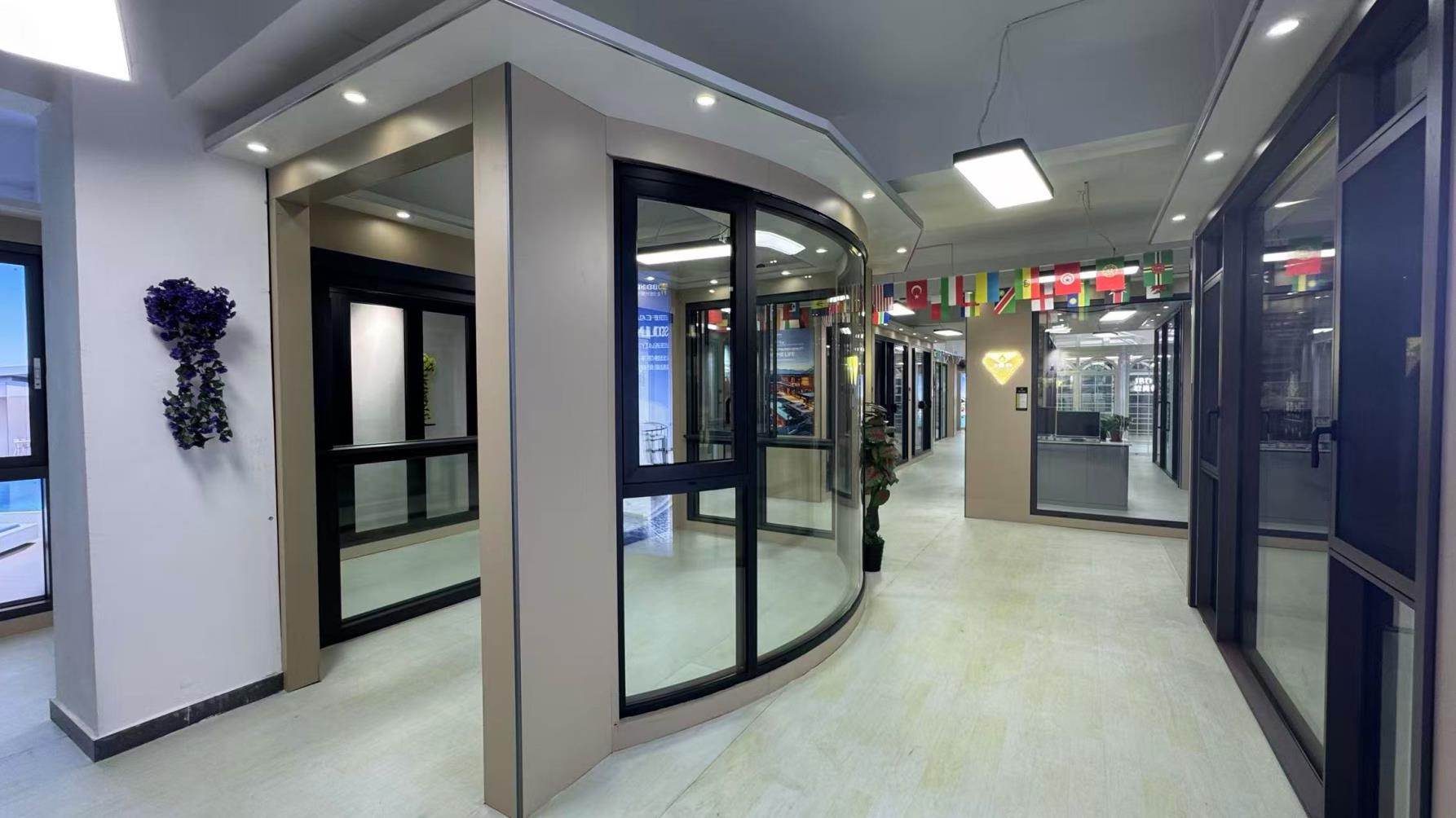
The original company profile below is retained because it grounds the broader manufacturing story in a clear operating model: standard factory buildings, management systems, German-influenced technology, senior designers, ten years of aluminum door and window experience, and integrated service from design to sales.
The company relies on modern standard factory buildings and management systems, introduces advanced German door and window technology, gathers senior designers in the industry, focuses on aluminum alloy doors and windows for 10 years, and provides integrated services from design to sales. The product line covers balcony sliding doors, indoor partition doors, sliding windows, casement windows, and folding doors, all of which follow high standard production processes to ensure excellent quality.
Senior designers translate architectural intent into fabrication drawings, material schedules, glazing specifications, and hardware selections. This reduces the risk of dimension conflicts, unclear interfaces, and late-stage changes for roof window and fenestration packages.
Modern factory buildings and management systems support repeatable workflows from profile cutting to assembly. Standard production processes help maintain dimensional accuracy, sealing quality, and finish consistency across aluminum sliding doors, partition doors, sliding windows, casement windows, and folding doors.
Integrated service from design to sales means the technical conversation continues through quoting, sampling, production follow-up, inspection, packing, and shipment. For export buyers, this continuity is a trust signal because it keeps responsibilities visible across the entire order cycle.
Factory 4.0 is not a label attached to a building; it is the discipline of connecting material flow, machine capability, people, inspection data, and shipment planning. For roof windows and architectural fenestration, that discipline protects schedule, quality, and customization at the same time.
China’s fenestration supply chain is concentrated, competitive, and increasingly digitized. Aluminum extrusion, glass processing, hardware, gaskets, sealants, packaging, and logistics services are available within a mature industrial ecosystem. The advantage for international buyers is not simply lower cost. It is the ability to move from a design concept to a prototype, from a prototype to a production order, and from a production order to a container shipment with fewer blind spots. A resilient manufacturer uses this ecosystem carefully: qualified material suppliers, incoming inspection, production scheduling, barcode or batch traceability where required, and documented packing standards.
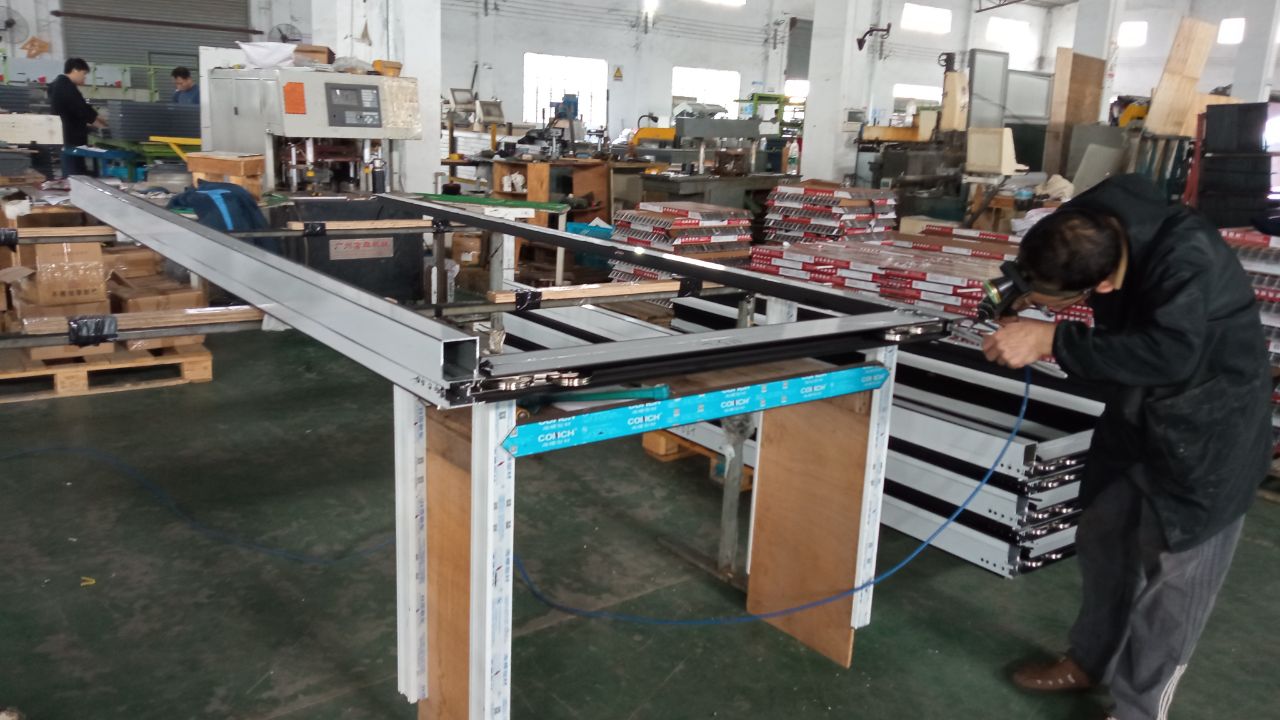
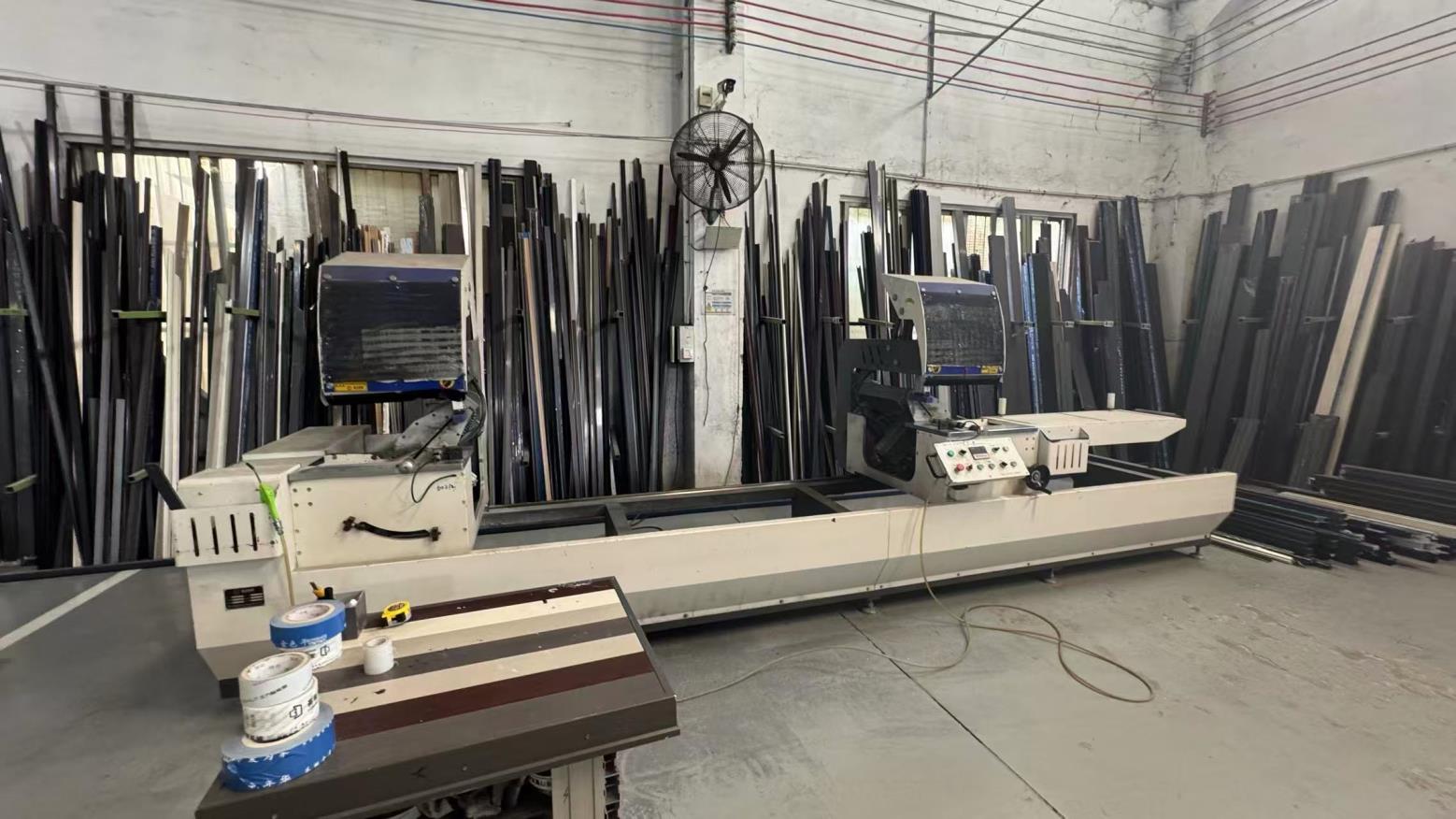
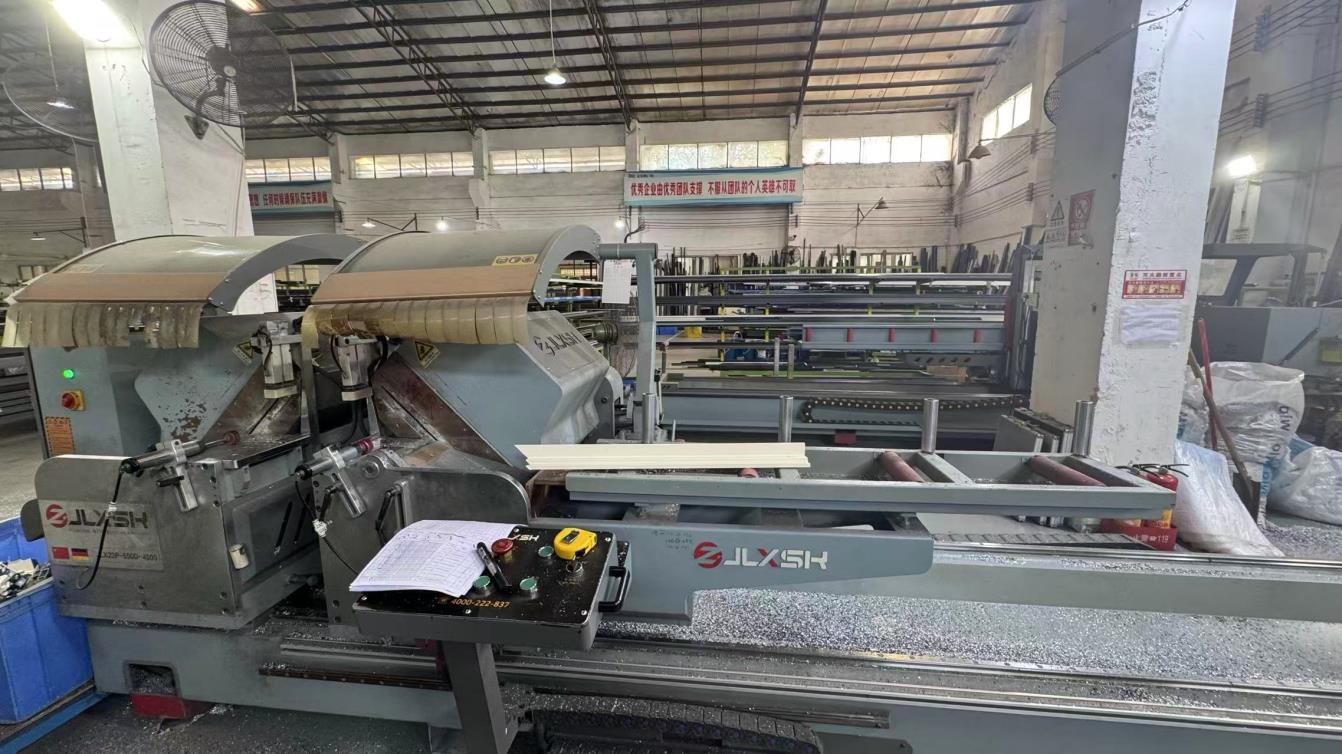
Factory 4.0 efficiency becomes meaningful when it solves real buyer problems. Digital cutting lists reduce waste and dimensional drift. CNC programming improves repeatability for hardware pockets and drainage features. Punching accuracy protects assembly fit. Controlled gluing and sealing reduce the risk of water ingress and long-term gasket failure. Warehouse organization improves material access and finished-goods protection. Export packing protects frames, corners, glass, and hardware during handling and sea freight. Each process is a link in the same chain; a weakness in one area can erase the value of the others.
Cut lists, machine calibration, and material batch control support accurate lengths and angles. For roof windows and pitched roof windows, accurate frame geometry directly affects flashing fit, drainage slope, and installation speed on site.
CNC processing supports repeatable milling, drilling, and preparation of complex profiles. It reduces operator-dependent variation and improves consistency for thermal-break aluminum windows, electric push-out windows, and custom hardware layouts.
Punching quality influences assembly alignment, drainage openings, fixing positions, and accessory installation. Controlled punching helps protect the operability of casement, tilt-turn, top-hung, and sliding systems across large production batches.
Sealant selection, surface preparation, and curing conditions affect watertightness and durability. For roof windows, the sealing strategy must consider rain exposure, condensation risk, ventilation, and thermal movement over time.
A well-organized warehouse separates profiles, glass, hardware, and finished goods to prevent damage and mix-ups. Batch identification and packing lists make it easier to verify quantities, track accessories, and support after-sales spare parts.
Container loading plans, corner protection, moisture control, and reinforced crates are part of production quality. Supply chain resilience means providing realistic lead times, anticipating material constraints, and communicating changes before they become shipment risks.
The gallery below retains the original factory images and process labels. It is intentionally presented as evidence, not decoration: cutting, CNC, punching, glue, warehouse, and finished-goods handling are the visible stages that support repeatable roof window and fenestration quality.
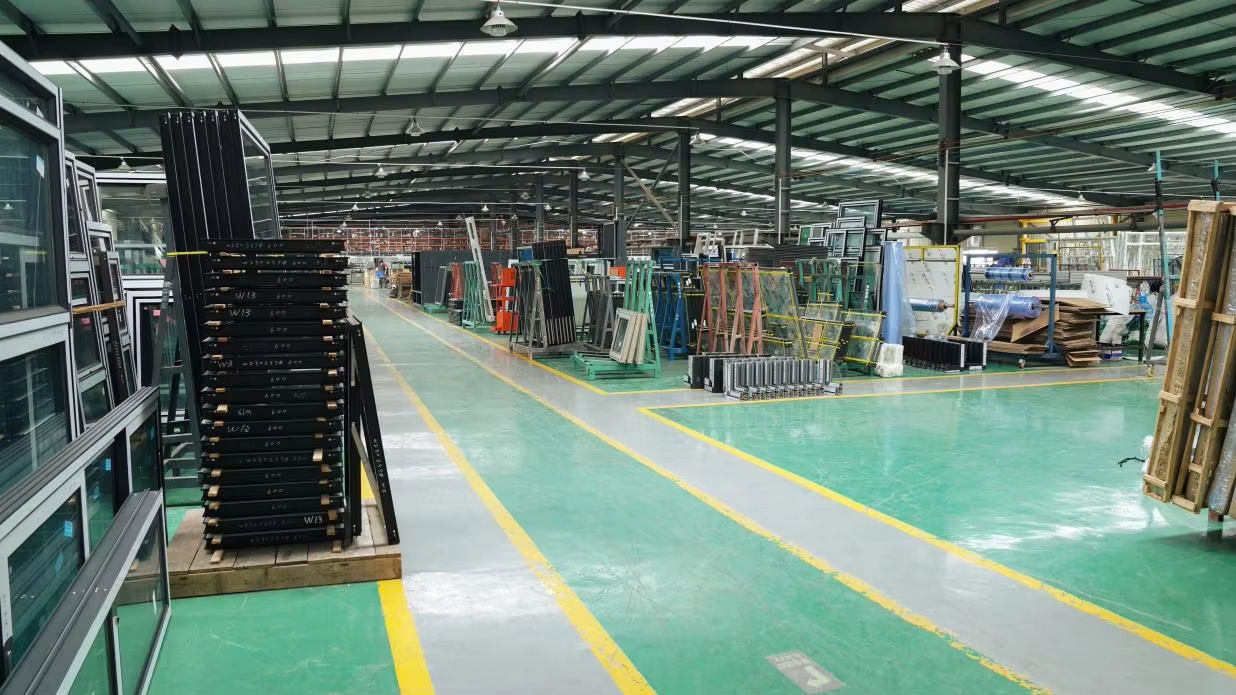
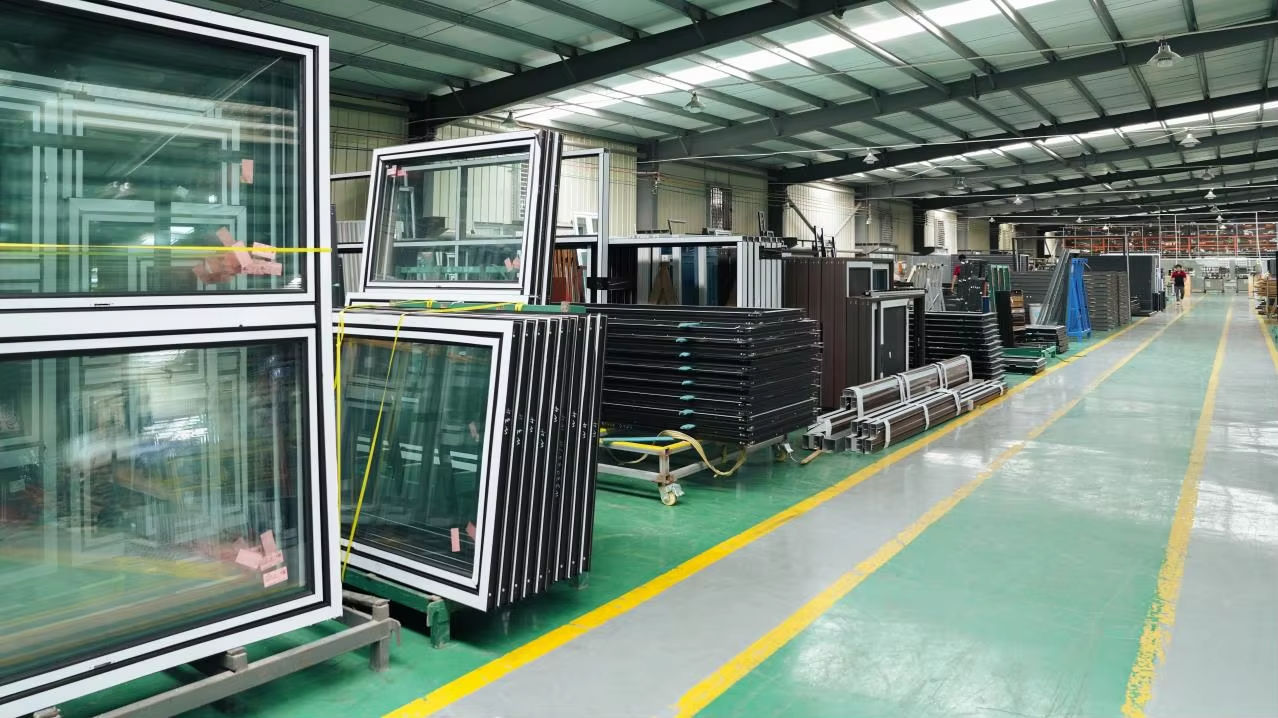
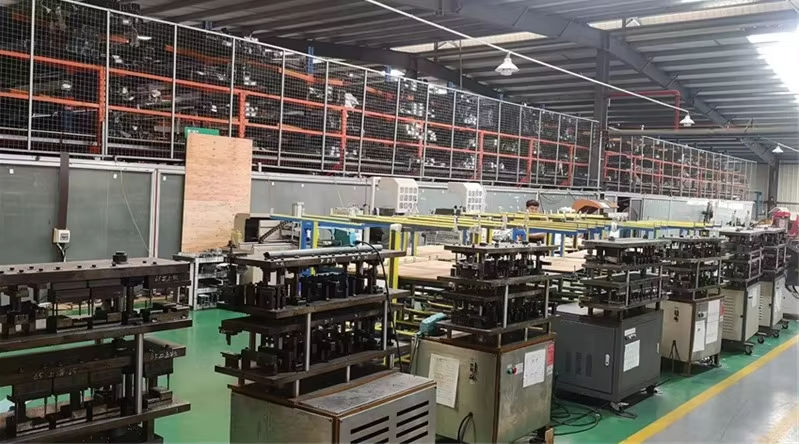
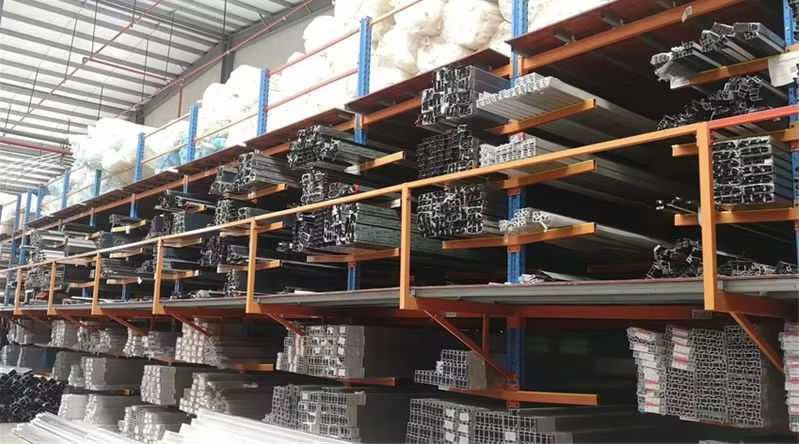
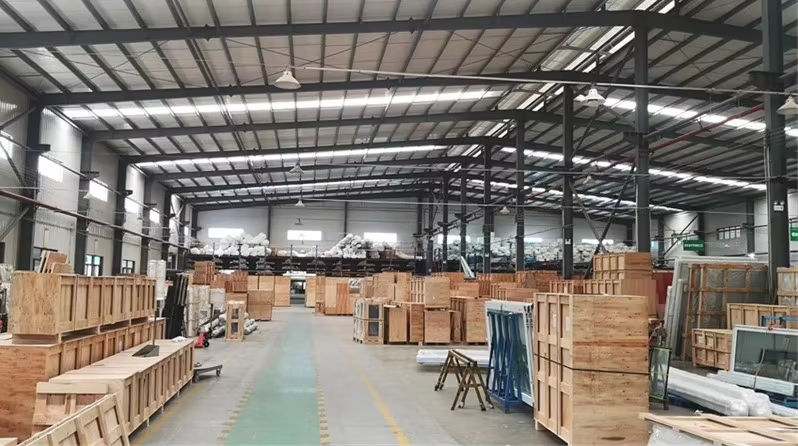
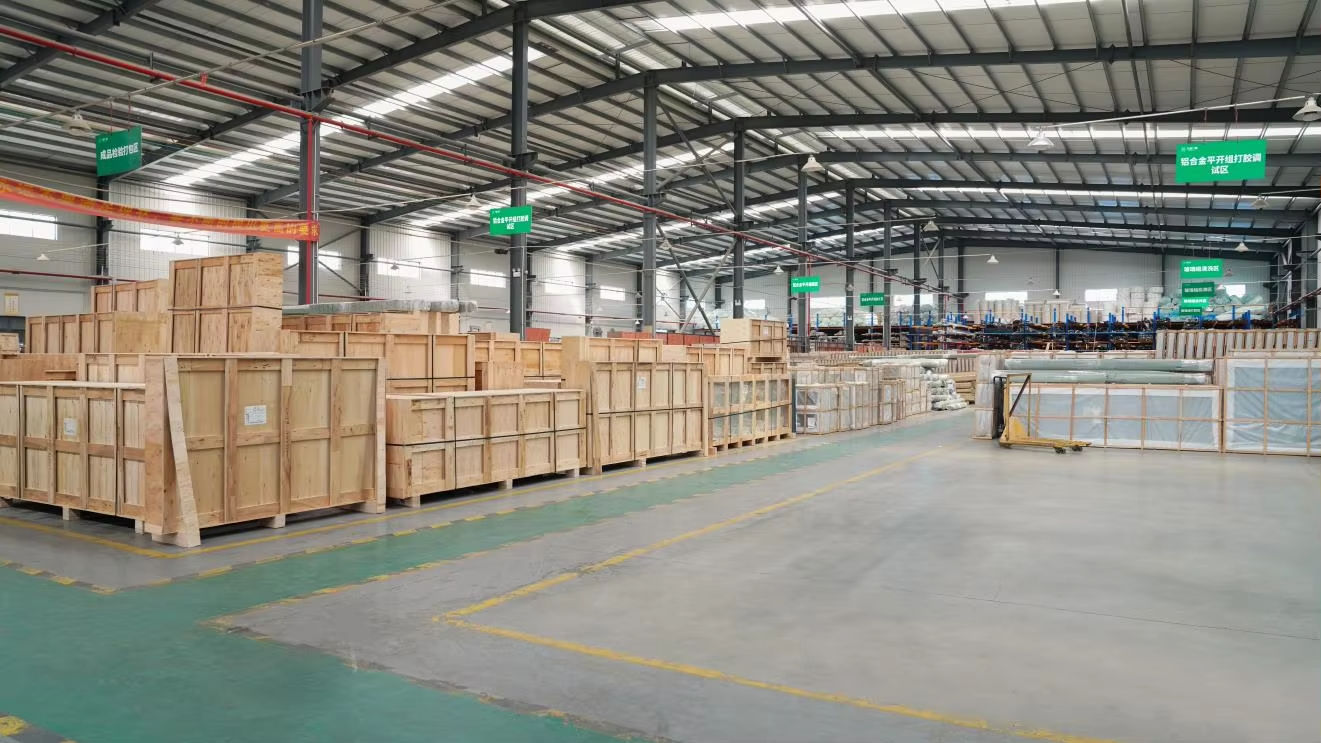
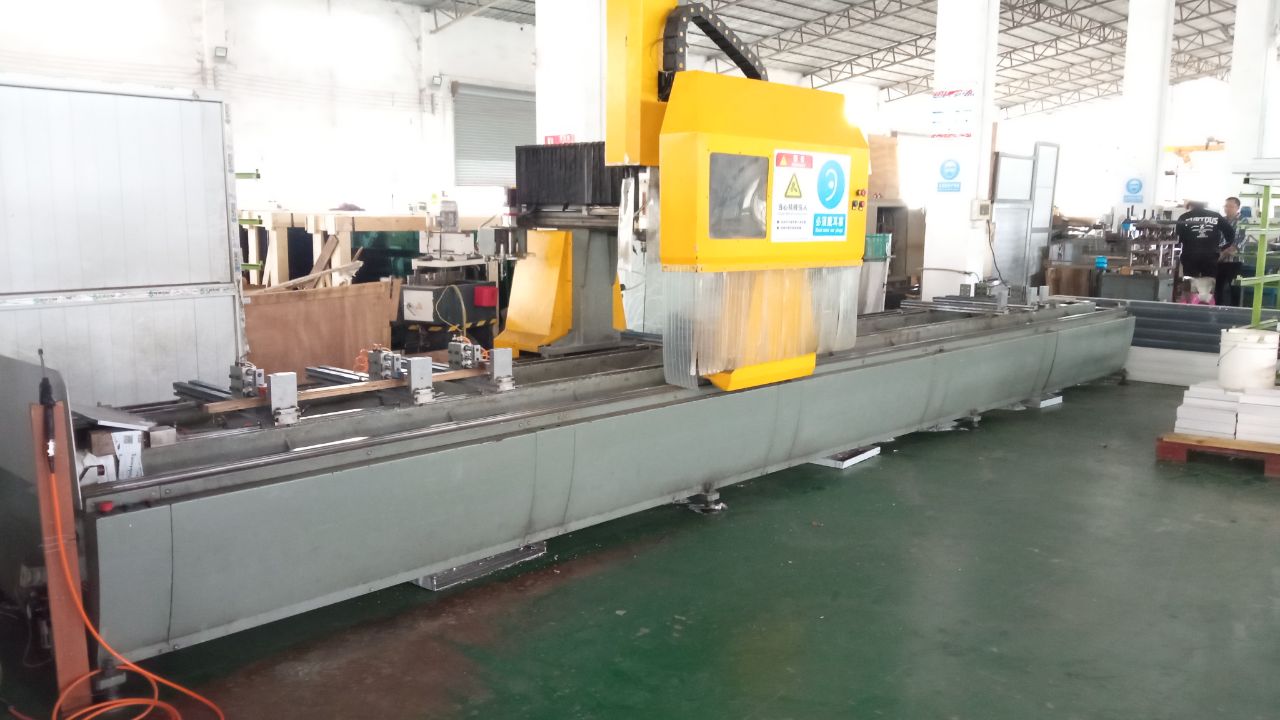
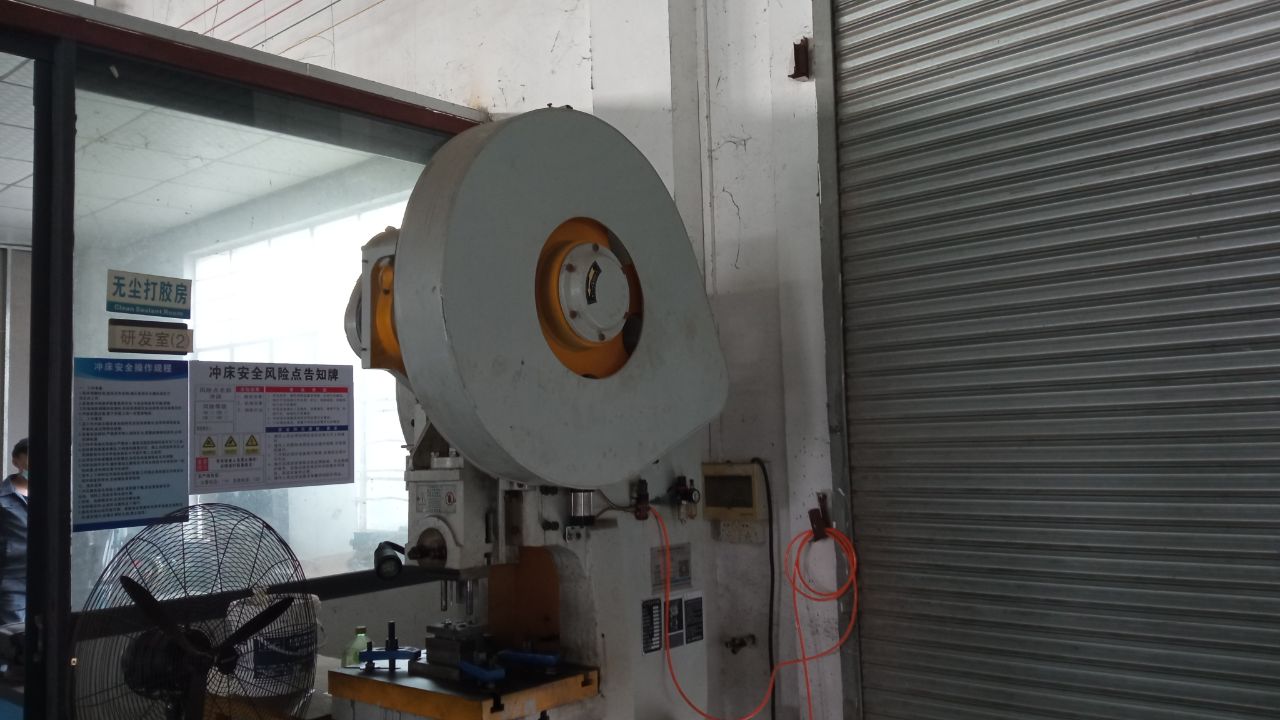
Material planning, qualified suppliers, production scheduling, and flexible capacity help protect delivery when project scopes change or when multiple fenestration types ship together.
Protected corners, reinforced pallets or crates, moisture control, packing lists, and shipment photos support safer sea freight and smoother customs coordination.
The next decade of roof window development will be driven by whole-building carbon performance, occupant comfort, intelligent daylight management, and verifiable product data. The roadmap below connects current engineering priorities with the future expectations of architects, developers, and procurement teams.
Roof windows are moving from isolated daylight products toward integrated envelope devices. The frame must manage thermal bridging, the glass must balance solar gain and visible light, the operating mechanism must remain reliable after thousands of cycles, and the flashing system must handle rain, snow, wind uplift, and condensation. In colder markets, high-performance roof windows increasingly require insulated frames, warm-edge spacers, argon or krypton filling, low-E coatings, and carefully controlled installation tolerances. In warmer climates, solar control, shading, and ventilation become equally important because excessive heat gain can undermine daylight benefits.
Future differentiation will come from systems that can be specified, tested, installed, and maintained with measurable confidence. Buyers will ask for U-values by size and configuration, acoustic data, watertightness classes, air permeability results, wind load resistance, operating force, cycle testing, and maintenance intervals. They will also expect digital documentation: BIM families, installation sequences, spare-parts lists, and material declarations. Manufacturers that prepare these assets now will be better positioned for projects with stringent sustainability, carbon, and quality requirements.
Thermal-break refinement, triple glazing options, acoustic laminates, hidden hinges, automated ventilation, and improved flashing kits. The goal is to deliver roof window systems that perform predictably across different roof pitches, climates, and installation methods.
Electrochromic or switchable glazing, integrated photovoltaic roof windows, sensor-driven shading, and demand-controlled ventilation. These features must remain serviceable and compatible with building automation systems rather than becoming isolated smart accessories.
BIM-ready product data, digital twins, QR-based traceability, environmental product declarations, and project dashboards that connect specification, production, inspection, and delivery. Data quality becomes part of product quality.
Higher recycled aluminum content, design for disassembly, replaceable glazing units, bio-based sealing materials, and repairable hardware. Roof windows will be evaluated not only by operational energy but also by embodied carbon and end-of-life recovery.
Different building types translate the same engineering principles into different priorities. A roof window specification for a school may prioritize safety and ventilation, while a hotel may prioritize acoustic comfort and blackout control. A logistics facility may prioritize security and durability, while a residential villa may prioritize daylight and seamless detail.
Daylight, solar control, wind and rain resistance, and maintenance access are critical in commercial roof window applications. System integration with curtain walls, louvers, and ventilation strategies helps prevent condensation and heat gain while supporting energy targets.
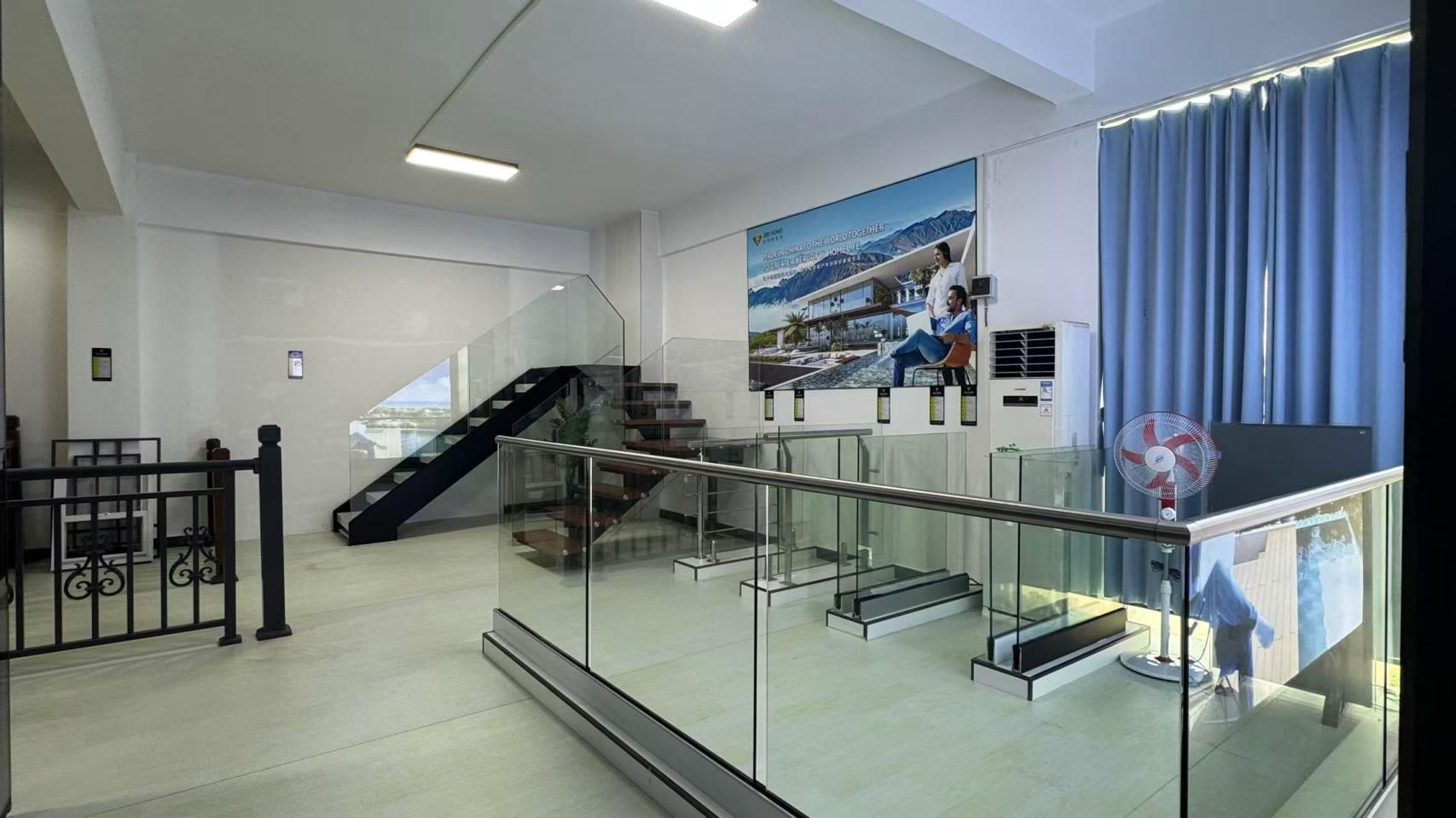
Homeowners expect quiet operation, security, acoustic comfort, and clean interior details. Custom colors, concealed hardware, safety glazing, and tailored shading make roof windows suitable for pitched roofs, attics, stairwells, and living spaces with high aesthetic expectations.
Schools and public facilities require durable operation, safety glazing, controlled daylight, and ventilation that supports indoor air quality. Roof windows should be specified with restricted opening options where required and with easy-to-service hardware.
Hospitals, clinics, and wellness buildings benefit from balanced daylight, glare control, acoustic comfort, and easy-clean surfaces. Motorized roof windows and shading can reduce manual operation while supporting privacy and patient comfort.
Hotels, restaurants, and retail environments use roof windows to create memorable daylight experiences. Acoustic laminated glass, blackout or solar shading, and premium finishes help align performance with brand and guest experience expectations.
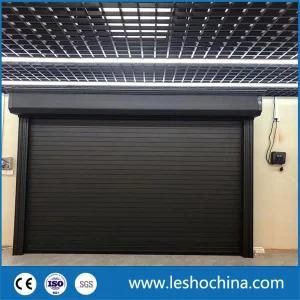
Warehouses and commercial facilities often need durable entrances, roller shutters, and glazed systems that balance security with light. Roof windows and skylight-based daylight can reduce electrical lighting demand when specified with appropriate thermal and condensation control.
Global supply works best when local requirements are documented before production begins. Roof windows and fenestration systems must respond to climate loads, building codes, installation practices, logistics constraints, and after-sales expectations in the destination market.
Compliance is system-specific. A certificate or test report should match the frame profile, glazing build-up, hardware, size range, and installation condition relevant to the project. For this reason, we frame certification support as a pathway rather than a blanket claim. Depending on the destination and product configuration, documentation can be discussed for pathways associated with CE/UKCA marking, NFRC-related performance reporting, AS2047/AS1288-oriented project requirements, and ISO-based quality management practices. Final validation must be confirmed with the relevant testing laboratory, notified body, or local authority having jurisdiction.
Wind load, snow load, driving rain, salt spray, UV exposure, acoustic requirements, and thermal regulations can change the specification. Project-specific review helps align profiles, glass, finishes, and drainage details with local conditions.
We can support the documentation conversation with drawings, material descriptions, performance targets, packing lists, and test-report planning. Buyers should confirm the exact standard, classification, and certificate scope required for their market.
Installation quality affects watertightness and operation as much as factory quality does. Support can include shop drawings, installation sequences, labeling, accessory lists, and guidance for flashing, sealing, and hardware adjustment.
Incoterms, container planning, mixed-product consolidation, spare-parts packing, and shipment documentation should be defined early. Clear commercial coordination reduces demurrage risk and protects the installation schedule.
Reliability note: No single certificate covers every market or every size. Performance values and certification scope must be tied to the tested configuration and the project’s applicable building code. This is a quality-assurance principle, not a marketing limitation.
Enterprise buyers rarely purchase roof windows as isolated commodities. They evaluate the supplier’s ability to support a project schedule, protect quality across repeated orders, provide documentation, and respond when site conditions or design details change.
Clear RFQs include drawings, sizes, quantities, glazing specification, finish, hardware, performance targets, destination, packing requirements, and required documents. A qualified manufacturer should ask technical questions rather than rush to a price.
Custom colors, dimensions, opening directions, safety glass, acoustic laminates, integrated LED options, and electric operation require controlled drawings and approval steps. Design control prevents expensive assumptions.
For new projects, a sample or mock-up can confirm appearance, operation, finish, and interface details. Sampling should be tied to a clear specification so the approved sample becomes a production reference.
Reliable lead times reflect material availability, production capacity, surface treatment, glazing procurement, and inspection workload. Transparent scheduling helps distributors and contractors coordinate installation crews and site access.
Pre-shipment inspection, quantity verification, packing photos, and document review reduce disputes. For roof windows, inspection should also consider glass protection, hardware operation, drainage features, and accessory completeness.
Access to spare parts, technical guidance, and clear warranty terms matters after installation. A long-term supplier relationship is strengthened when problems are documented, analyzed, and solved with product-specific evidence.
Roof window procurement should compare total lifecycle value, not only the quoted unit price. A lower-cost product can become expensive if it creates condensation, water ingress, difficult operation, or excessive replacement work after installation.
The correct comparison uses system-level performance metrics: Uw value, solar heat gain coefficient, visible light transmittance, acoustic rating, air permeability, watertightness, wind load resistance, operating force, hardware cycle testing, and finish durability. Each metric must be tied to a size, glass configuration, spacer type, frame profile, and installation condition. For roof windows, the flashing and installation interface are part of performance because water and air do not respect the boundary between product and building.
Our engineering emphasis is therefore balanced across thermal optimization, acoustic comfort, weather resistance, and documentation control. The visual indicators below represent relative engineering priorities for project evaluation, not fixed product claims. Final values must be confirmed by the selected system, tested configuration, and destination-market standard.
A serious roof window specification should define test evidence, installation responsibility, maintenance expectations, and warranty terms in the same package. This is how technical due diligence becomes a procurement advantage.
These answers focus on the questions most relevant to architects, importers, distributors, contractors, and project developers who need a reliable roof windows manufacturer and exporter in China.
We position ourselves as an engineering-led manufacturer and exporter with integrated design-to-sales service for aluminum doors and windows. Roof window projects can be supported together with related fenestration systems such as casement windows, sliding windows, fixed glazing, electric push-out windows, folding doors, and security entrances. For buyer due diligence, process visibility, drawings, samples, inspection records, and packing documentation are the key proof points.
Yes, project-specific customization can be discussed for dimensions, frame colors, glazing build-ups, opening direction, hardware, ventilation options, shading, and motorization. Pitched roof applications require careful coordination of flashing kits, roof pitch, waterproofing layers, insulation, and installation sequence. Providing roof drawings and local code requirements at the RFQ stage helps avoid technical mismatch.
Quality evidence should include material inspection, in-process checks, dimensional verification, hardware operation checks, sealing inspection, glass condition review, quantity confirmation, and packing photos. For repeat orders, the approved sample and drawing revision become production references. The inspection plan should be agreed before production so that both buyer and factory share the same acceptance criteria.
Compliance is market- and system-specific. Depending on the destination and product configuration, documentation discussions can cover CE/UKCA-related requirements, NFRC-style performance reporting needs, AS2047/AS1288-oriented project requirements, and ISO-based quality workflows. Final certification or test acceptance depends on the actual system, size range, laboratory results, notified body, and local authority. Buyers should confirm the exact standard before ordering.
MOQ and lead time depend on the product family, customization level, glass specification, finish, hardware, and project schedule. Standard aluminum window and door orders are quoted after drawing review; roof window or mixed fenestration packages require more detailed production planning. Lead time is confirmed after drawing approval, deposit, material readiness, and inspection scheduling. Transparent planning is more useful than a guaranteed number that ignores project complexity.
Export packing should protect frames, corners, glass edges, hardware, and accessories. Depending on the system, packaging may include corner protectors, foam or bubble protection, moisture-control materials, reinforced pallets or crates, labels, and packing lists. Container loading should consider weight distribution, stacking limits, and mixed-product separation. Photos before shipment help document packing condition.
Technical support can include shop drawings, dimension coordination, product data, installation sequences, accessory lists, and labeling. BIM or CAD data can be discussed according to the project’s level of detail and product configuration. Installation guidance is especially important for roof windows because the interface with roofing membranes, insulation, and flashing determines long-term watertightness and thermal performance.
After-sales support should be structured around spare parts, technical troubleshooting, installation photos, operation guidance, and documented warranty terms. For large projects, it is useful to agree on a response workflow before shipment: who receives site information, how issues are classified, what photos or measurements are required, and how replacement parts are packed and shipped. Clear communication protects both the buyer and the manufacturer.
Send drawings, roof pitch, performance targets, destination market, glazing requirements, finish expectations, and delivery schedule. A technical review can then align the right roof window or fenestration system with the factory process, compliance pathway, packing plan, and commercial terms that the project actually needs.
These additional eight systems complete the product set shown on this page. They support mixed container loads, distributor catalogs, contractor packages, and project schedules that require windows, doors, security entrances, and customized aluminum systems from a coordinated manufacturing source.