Topanish Door
The first four product families below are selected for their practical fit with Novosibirsk's industrial and commercial envelope requirements: versatile aluminum glass-metal windows, 6063/6061 alloy profiles, heavy-duty louver vents and outdoor aluminum alloy windows with a modern industrial design. Each product URL remains linked for specification and quotation.
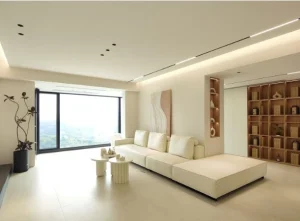
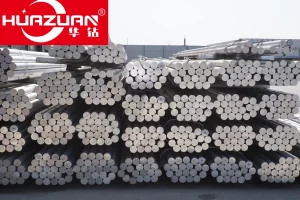
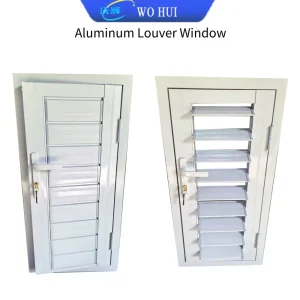
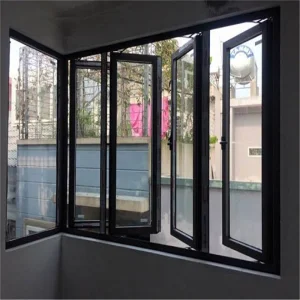
The company relies on modern standard factory buildings and management systems, introduces advanced German door and window technology, gathers senior designers in the industry, focuses on aluminum alloy doors and windows for 10 years, and provides integrated services from design to sales. The product line covers balcony sliding doors, indoor partition doors, sliding windows, casement windows, and folding doors, all of which follow high standard production processes to ensure excellent quality.
For a Novosibirsk buyer, this is not simply a factory profile. It is evidence of a production culture built around repeatability: standard factory bays, controlled material flow, senior design review, and a single responsibility chain from drawing to final sale. Industrial aluminum windows are rarely bought as isolated products. They are part of a building envelope that must survive winter condensation, snow load, wind pressure, temperature cycling, dust, vibration, and daily operational use. A supplier with ten years of focused aluminum door and window experience is better positioned to anticipate those interactions than a trader assembling unrelated SKUs.
Our German-influenced engineering approach informs profile selection, hardware compatibility, glazing tolerance, drainage design, and factory quality gates. At the same time, we keep the commercial model practical for project buyers: design support, specification review, sample coordination, production, container loading, and export documentation are handled through one integrated service pathway. That balance of technical discipline and commercial responsiveness is especially relevant for Novosibirsk projects that must plan around long winter windows, transport lead times, and strict installation seasons.
Novosibirsk is not a generic export destination. It is the largest city in Siberia and a major center for science, education, manufacturing, logistics, energy, healthcare, and public infrastructure. The city and its surrounding agglomeration include industrial parks, warehouse complexes, machine-building facilities, food-processing plants, research campuses such as Akademgorodok, medical institutions, retail networks, and transport hubs. Each of these asset classes has a different fenestration brief: a machine room may prioritize ventilation and serviceability, a cleanroom may prioritize airtightness and anti-condensation performance, and a logistics terminal may prioritize durability, security, and low maintenance.
At the same time, the local climate is sharply continental. Winter conditions can push windows and facades toward extremes: severe low temperatures, wind-driven snow, freeze-thaw cycles, high heating loads, and interior humidity that can condense on cold surfaces. In industrial buildings, the consequence of poor detailing is rarely cosmetic. It can appear as ice build-up on hardware, fogged double glazing, wet reveals, corrosion at fixings, draughts around frames, and increased energy consumption during the longest and most expensive part of the heating season.
This is why a Novosibirsk-focused aluminum window strategy should begin with the operating environment, not with a generic catalogue. The right system must interpret thermal break design, glass build-up, spacer technology, drainage, gasket compression, hardware tolerance, and installation interfaces as one connected envelope. A window that performs adequately in a temperate market may fail as a repeatable solution in Siberia if condensation control, snow shedding, and service access are not considered early.
Industrial and commercial demand in the region is also shaped by investment cycles in logistics, food processing, utilities, research facilities, healthcare, education, and public infrastructure. These projects increasingly ask for more than a frame and glass: they ask for documentation, container-level logistics, installation planning, and a supplier who can communicate across technical and commercial teams. That is where a factory-direct supplier with a broad product portfolio and integrated design-to-sales support creates measurable procurement value.
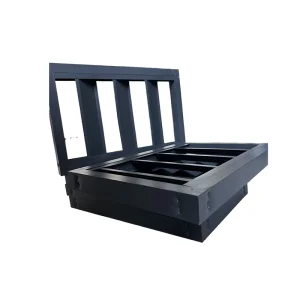
Heavy-duty aluminum louver vent windows, casement windows and soundproof systems support ventilation, equipment access and acoustic separation in machine rooms, workshops and production halls. Adjustable airflow and robust frames reduce maintenance friction in dusty or vibration-heavy areas.
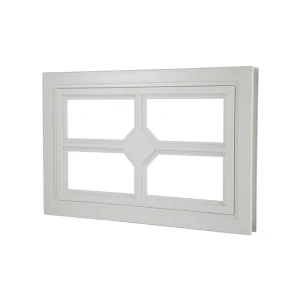
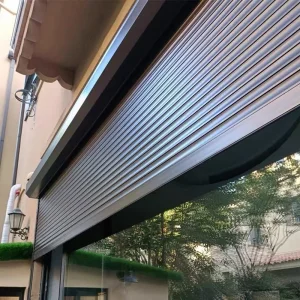
Industrial glass windows, rolling shutters and garage door window kits balance daylight, security and serviceability. For Novosibirsk distribution hubs, corrosion-resistant aluminum, robust locking and container-packed spares help keep loading operations moving through winter.
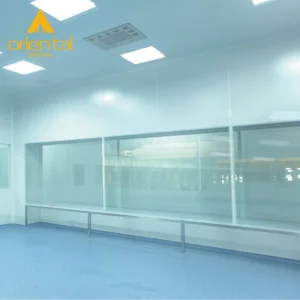
Sound-proof, anti-condensation cleanroom windows with controlled gaskets and smooth profiles support hygiene, acoustic comfort and stable interior conditions in hospitals, laboratories and research facilities.
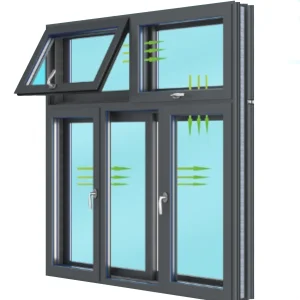
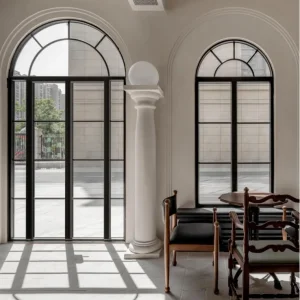
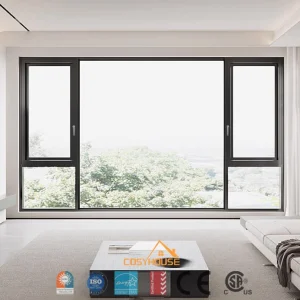
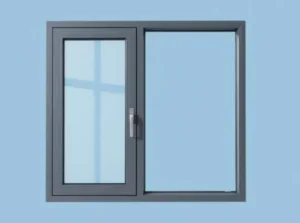
Black-frame casement windows, outdoor aluminum alloy windows and versatile glass-metal systems combine a modern industrial aesthetic with weather resistance for retail, offices, showrooms and mixed-use blocks.
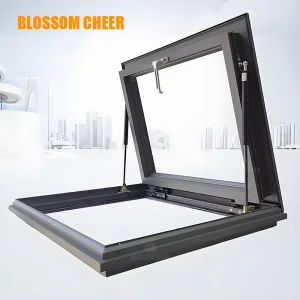
Weatherproof retractable skylights and electric sliding ventilation windows support smoke release, summer heat evacuation and daylit industrial roofs. Automation can be specified for high-level operation and BMS coordination.
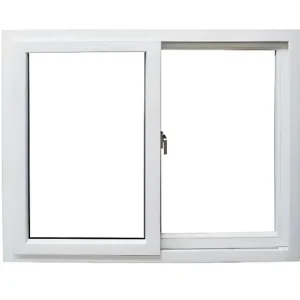
Universal aluminum windows, sliding and casement options, and 40FT container programs serve worker camps, canteens, offices and maintenance buildings where fast delivery and consistent quality matter.
Globally, the industrial aluminum window industry is being reshaped by three forces: energy-performance regulation, industrial decarbonization, and the digitization of building operations. Aluminum remains a preferred material for industrial envelopes because it is dimensionally stable, corrosion-resistant, easy to recycle, and compatible with precise extrusion, thermal-break assembly, anodizing, powder coating, and automated hardware. Its weakness—high thermal conductivity—has been addressed through polyamide thermal breaks, multi-chamber profiles, warm-edge spacers, argon or krypton fill, low-emissivity coatings, and increasingly sophisticated gasket and drainage design.
In Europe and Asia, demand is moving toward prefabricated, performance-verified window and façade modules. Industrial clients want fewer site operations, predictable installation quality, and documentation that can be checked before shipment. In colder CIS markets, the emphasis is more specific: triple glazing, condensation resistance, robust hardware, snow and wind resistance, and a supply chain that can deliver complete container loads rather than mixed retail quantities. The factory-direct model is therefore most useful when it combines engineering support with export packing discipline.
Growth is not evenly distributed. New logistics parks, food-processing plants, cleanrooms, data-adjacent facilities, and public infrastructure projects continue to invest in envelope upgrades, while older assets require retrofit windows, shutters, and roof ventilation. At the same time, buyers are more cautious about total cost of ownership. They ask for U-values, acoustic data, glass configurations, finish warranties, installation tolerances, and spare-part plans. Suppliers that can answer these questions with clear documentation gain a measurable advantage.
Cold-climate systems are moving toward wider polyamide bridges, multi-chamber extrusions, warm-edge spacers and triple glazing. The aim is not only a lower U-value, but also warmer interior frame surfaces and better condensation margins.
Drainage paths, gasket compression, desiccant quality and installation insulation are being reviewed as one system. In industrial buildings, humidity and ventilation interact with window performance, so specification must consider the operating process.
Laminated glass, asymmetric glazing and tight gasket details are used for acoustic separation. Cleanroom and medical projects require smooth profiles, anti-condensation detailing and finishes that support cleaning protocols.
Electric skylights, motorized louvers and sensor-driven ventilation are increasingly integrated with building management systems. For high industrial roofs, automation improves operability and safety.
Recycled aluminum, longer-life coatings and design for disassembly align with corporate ESG targets. Circularity is becoming a procurement question, especially for large industrial and public projects.
Drawings, schedules, packing lists, glass build-ups, finish references and installation guidance are now part of the product. Remote project teams need documentation that reduces site ambiguity.
A cold-climate industrial window program should move through a controlled technical sequence. The objective is not to sell the largest possible window; it is to match each opening with the right combination of thermal, acoustic, ventilation, security and maintenance performance.
Collect winter design temperature assumptions, indoor humidity, wind exposure, snow, dust, acoustic requirements, operation frequency, and maintenance access.
Review U-value targets, glass build-up, spacer type, frame thermal break, installation position, and interior/exterior humidity balance. Identify cold-bridge risks at reveals and fixings.
Select 6063/6061 aluminum profiles, opening type, locking hardware, louver blades, shutter system, skylight drive, or cleanroom gasket detail. Confirm color, coating and corrosion class.
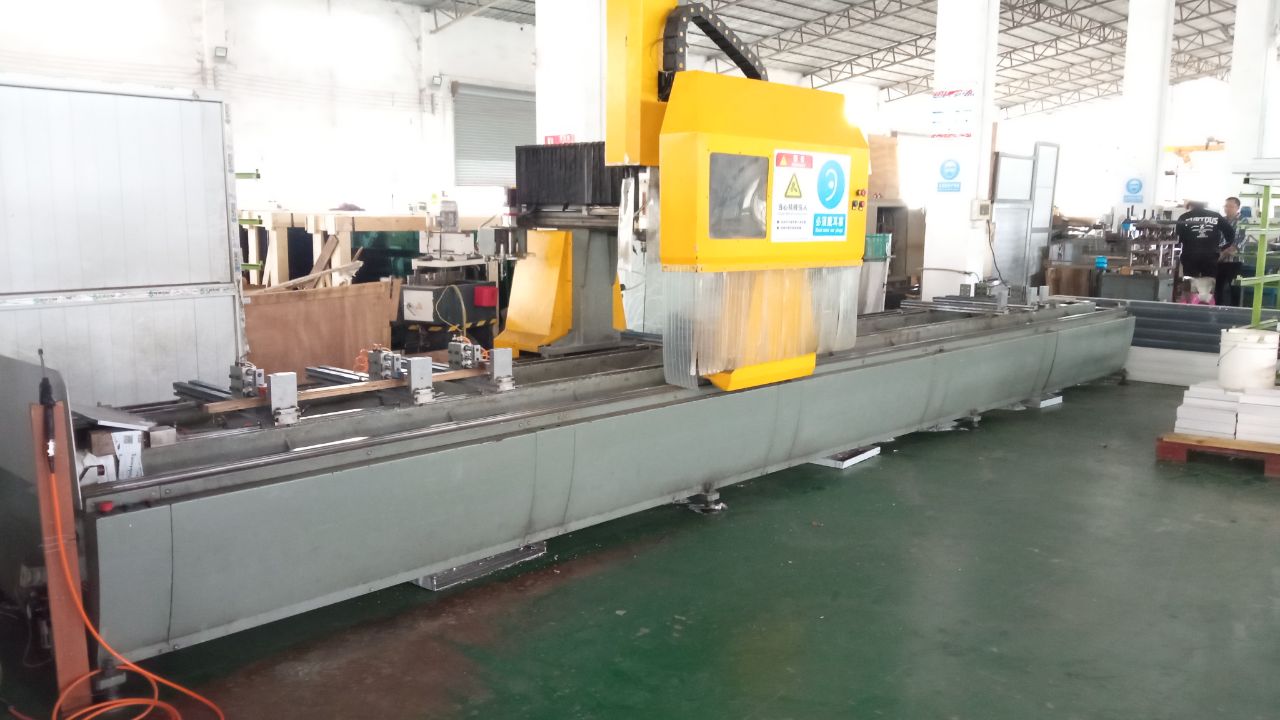
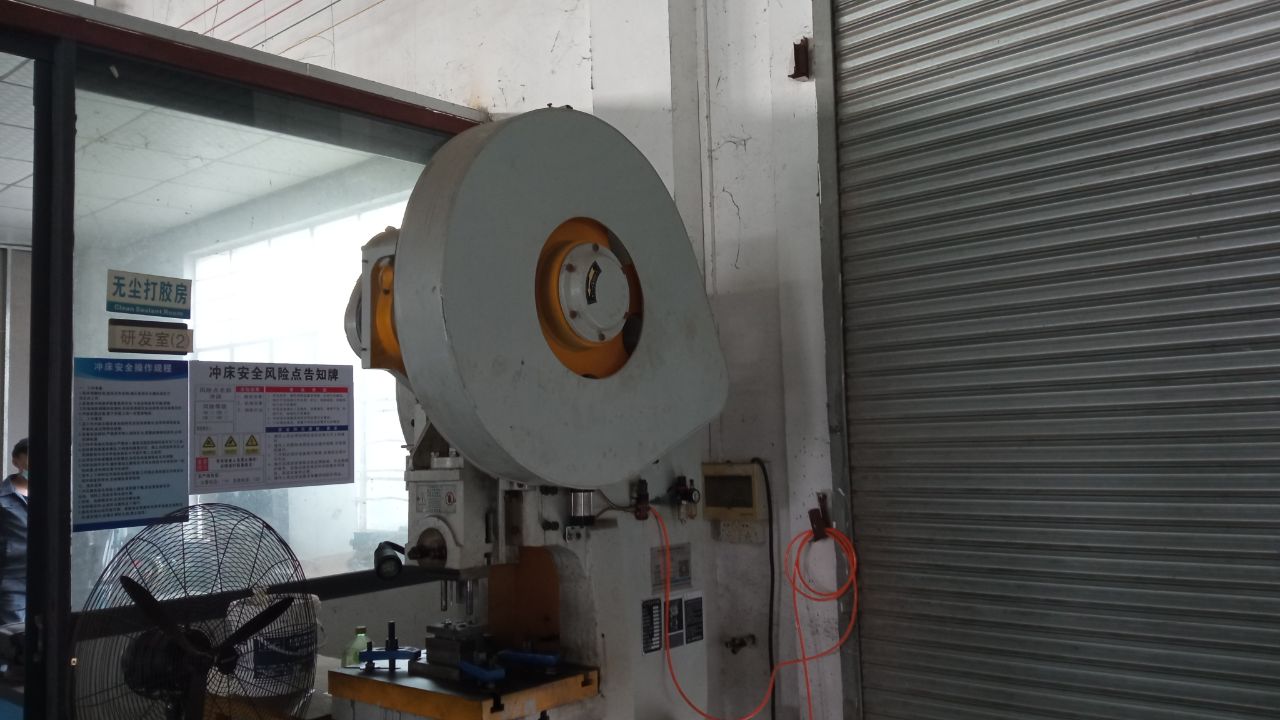
Control cutting, CNC machining, punching, gluing, assembly, glazing, hardware calibration, water/air checks where specified, labeling, and protective packing.
Plan 40FT loading, sequence by building zone, protect frames and glass, include installation consumables, and prepare a packing list aligned with drawings.
Provide interface details, installation manuals, adjustment guidance, spare-part lists, and a clear warranty and service pathway for the Novosibirsk project team.
Looking ahead, the most important change is likely to be the integration of envelope performance with building operations. Motorized skylights, automated louvers, and sensor-driven ventilation can reduce overheating and improve indoor air quality in industrial buildings. Digital product information—profile data, glass configuration, batch records, and maintenance schedules—can support digital twins and long-term asset management. AI-assisted specification review may help project teams screen configurations against climate and use-case data before drawings are frozen, but it will not replace qualified engineering judgment.
Material innovation will also matter. Lower-carbon aluminum, higher recycled content, design for disassembly, and longer-life coatings align with corporate ESG goals. For Novosibirsk, the practical near-term priorities remain thermal reliability, condensation resistance, robust hardware, and dependable logistics. The factory that can deliver these fundamentals consistently—while adding smart options and transparent documentation—will be better positioned than a supplier competing only on unit price.
Industrial aluminum windows are part of a larger operating system. The most effective supplier does not simply quote a window size; it maps the opening to the building's macro function, maintenance regime, and procurement logic.
Casement, louver, fixed glazing, shutters, skylights and ventilation for production halls, workshops, and utility buildings.
Durable glazing, garage door windows, rolling shutters, and low-maintenance systems for loading zones, dispatch areas, and cold storage support spaces.
Anti-condensation, soundproof, and cleanroom windows with controlled gaskets and finishes for labs, hospitals, and pharmaceutical environments.
Modern black-frame casement, outdoor aluminum windows, and universal systems for schools, retail, offices, and transport facilities.
The following four systems extend the portfolio into specialized industrial openings: casement windows for industrial buildings, black-frame industrial casement, exterior rolling shutters, and rust-resistant sliding/casement windows packed for 40FT container programs. Their URLs are preserved for direct specification and inquiry.
E-E-A-T in industrial procurement is built on evidence, not adjectives. Buyers need to know who controls the process, how the product is fabricated, what will be documented, and how the shipment will arrive. The company's modern standard factory buildings and management systems provide the operating base. Advanced German door and window technology informs the production mindset. Senior designers review project-specific details, and ten years of focused aluminum door and window work provide the experience needed to spot interface risks before they become site problems.
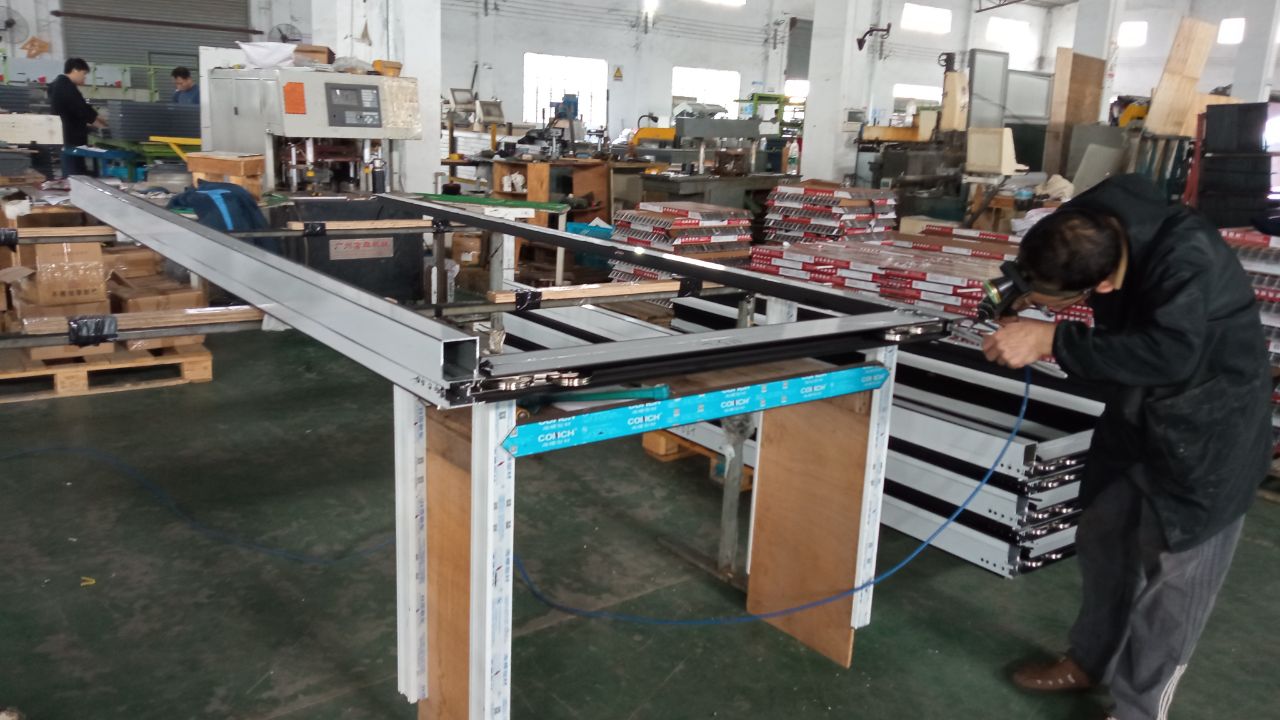
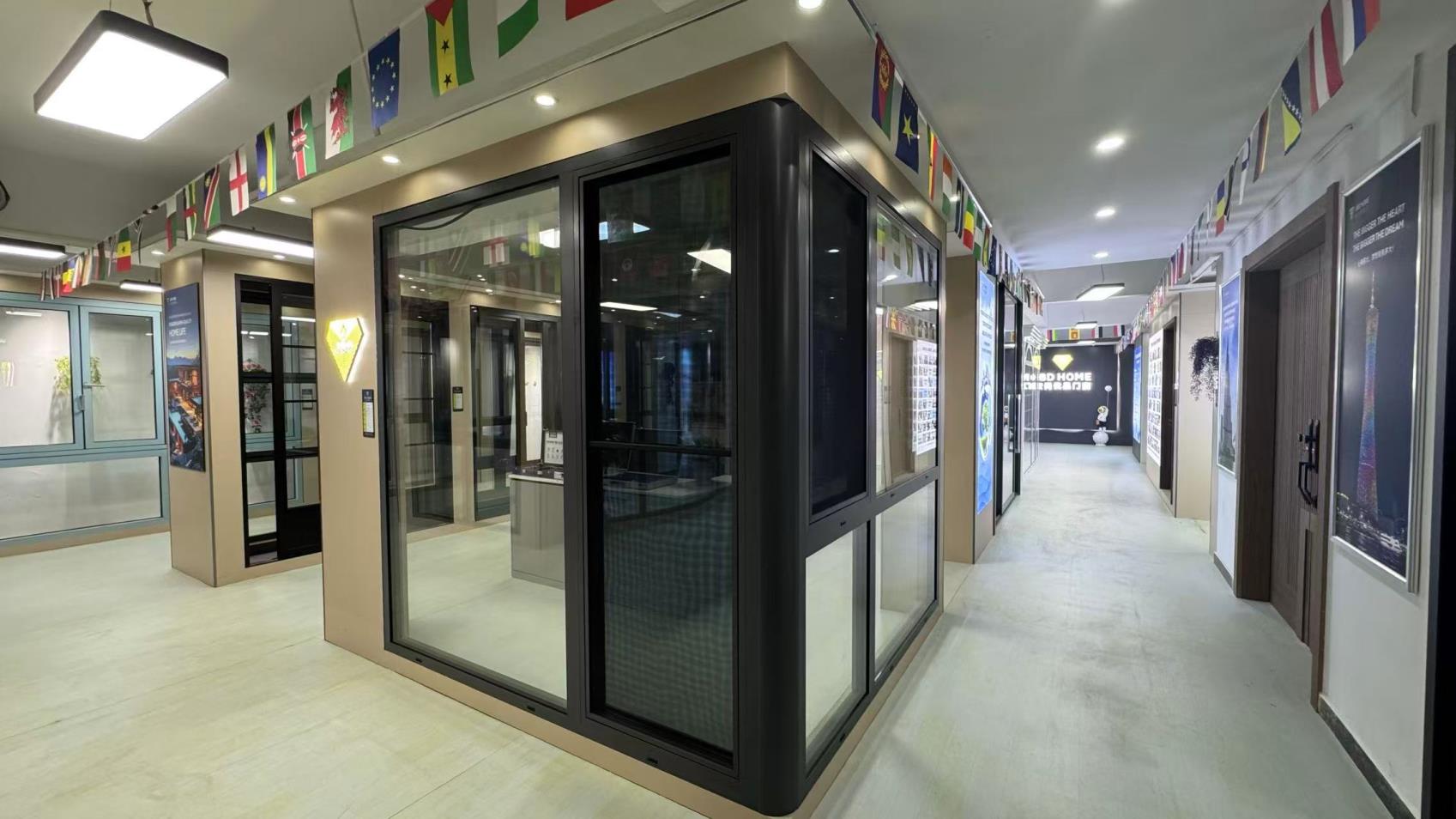
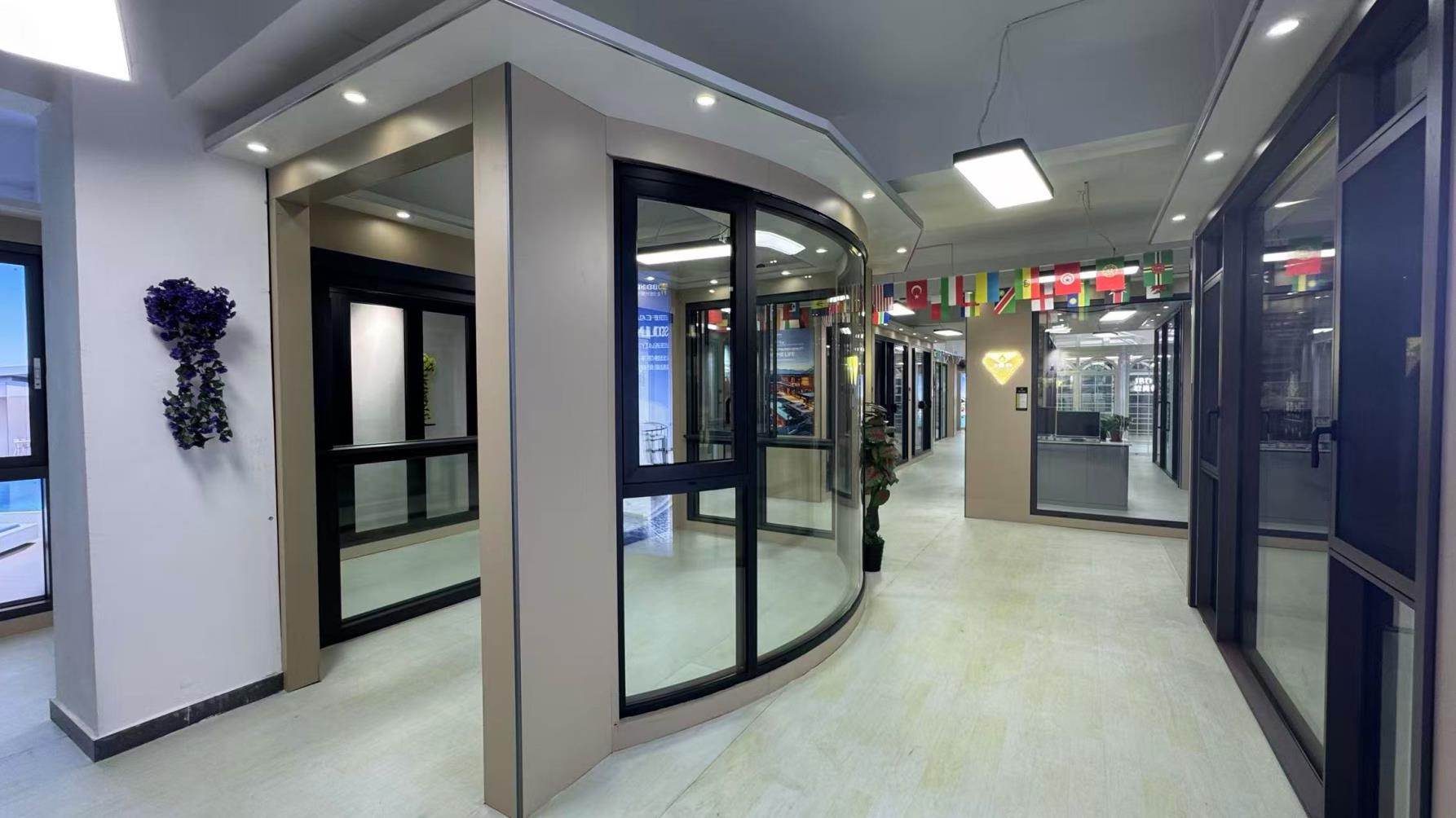
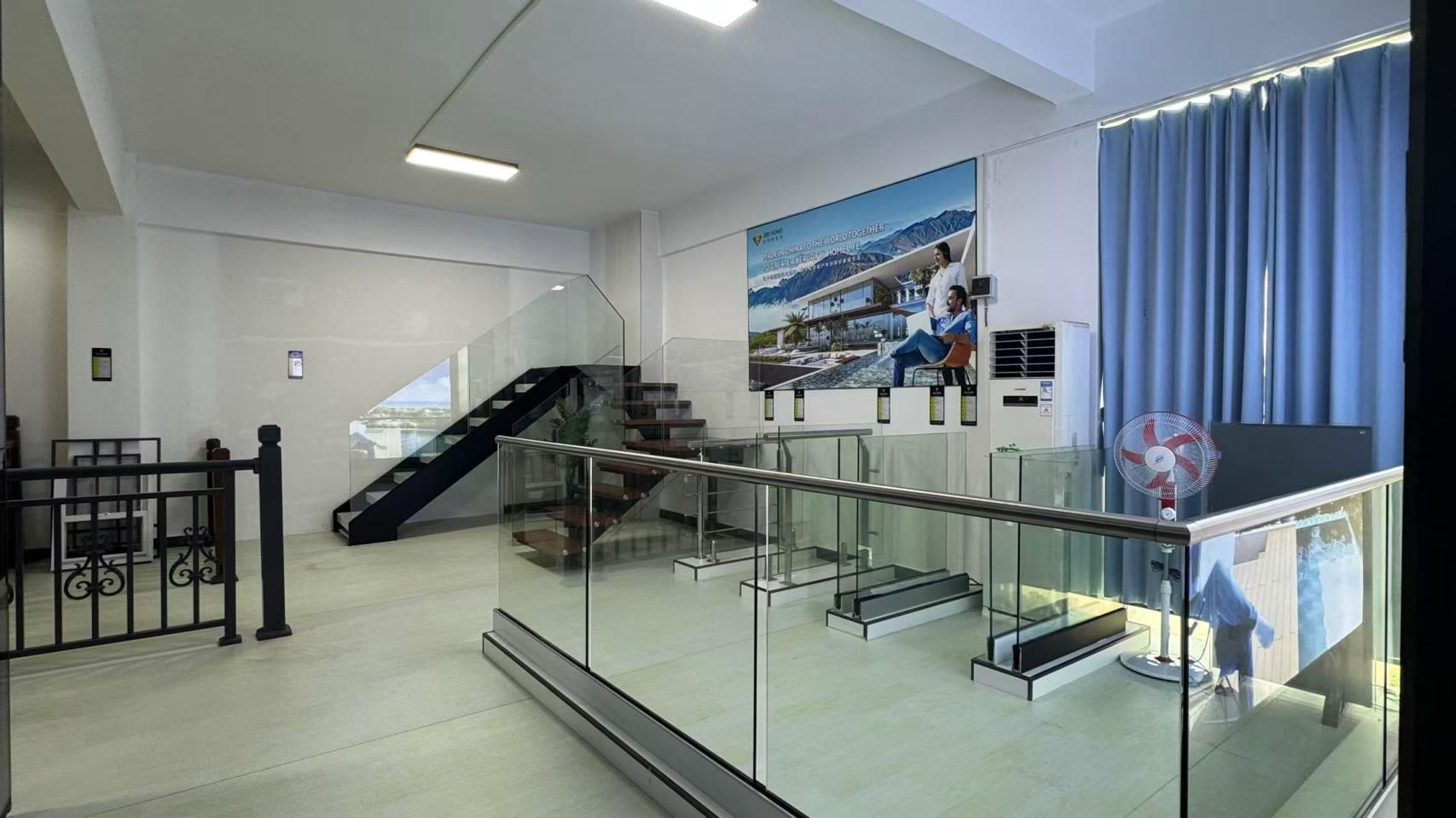
The gallery below preserves the original factory imagery, including CNC machining, punching, gluing, warehouse and cutting equipment. These are not decorative images; they represent the process gates that determine whether a window will remain square, sealed, and serviceable after transport and installation in Novosibirsk. Cutting accuracy affects frame geometry. CNC machining affects hardware fit. Punching affects drainage and assembly alignment. Gluing and sealing affect water and air tightness. Warehouse organization affects packing quality and shipment completeness. A supplier that can show these steps is better able to support remote project teams.
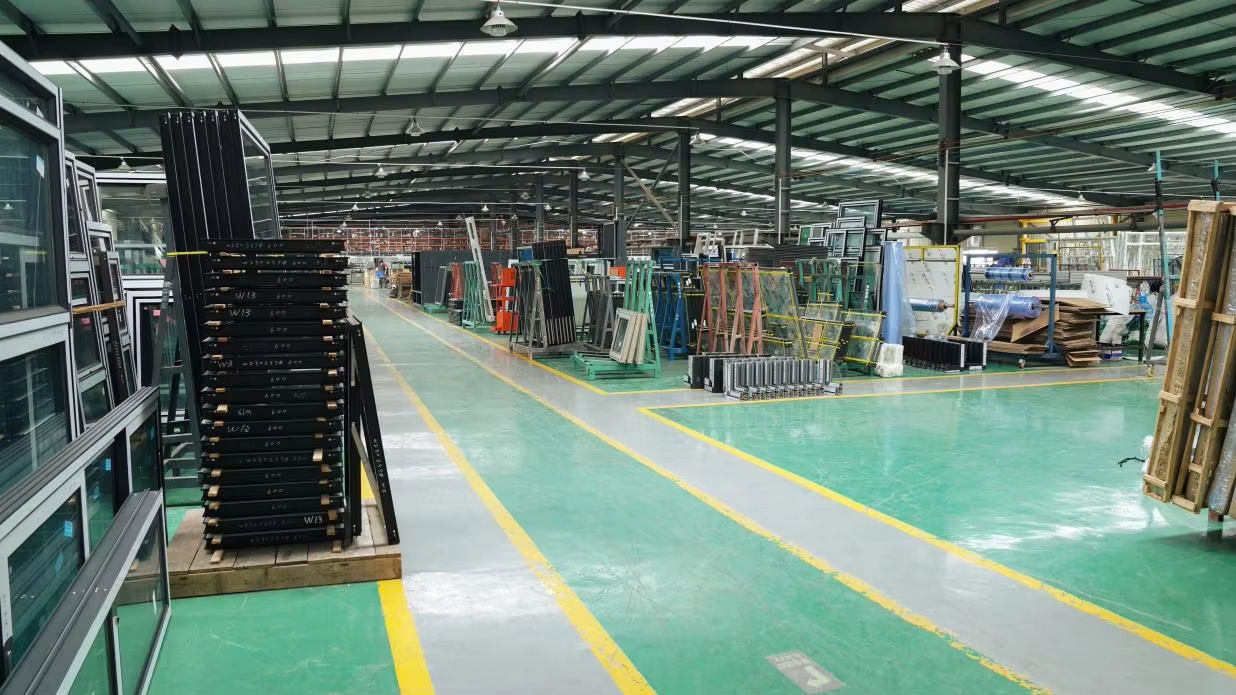
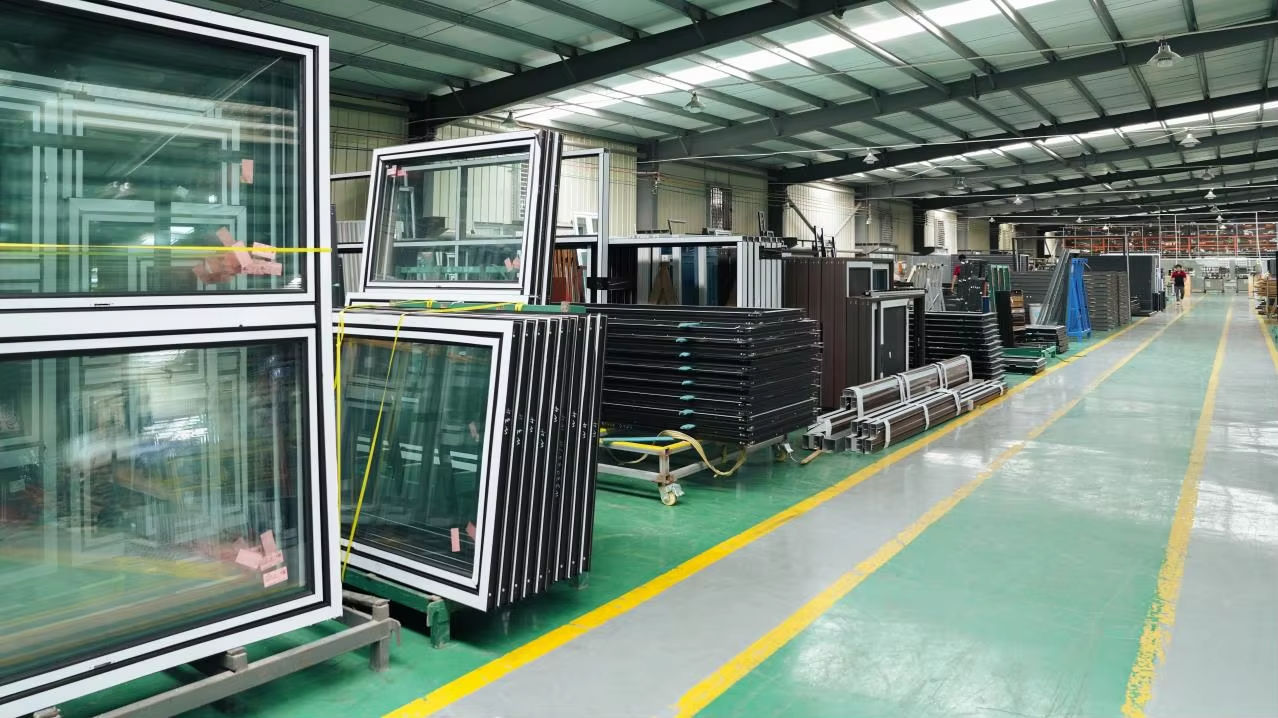
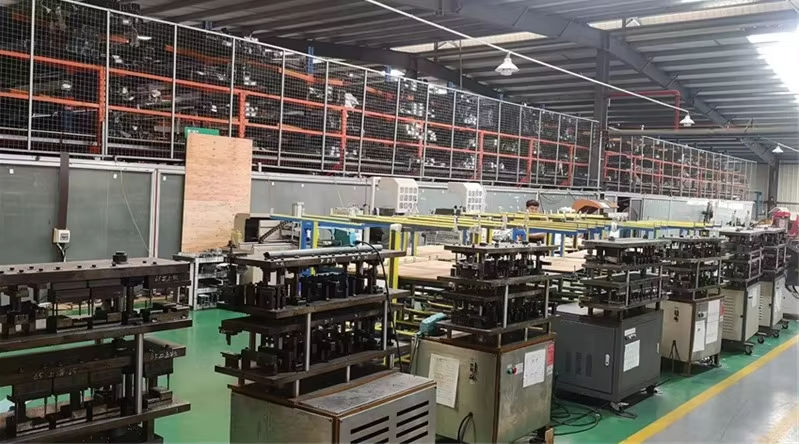
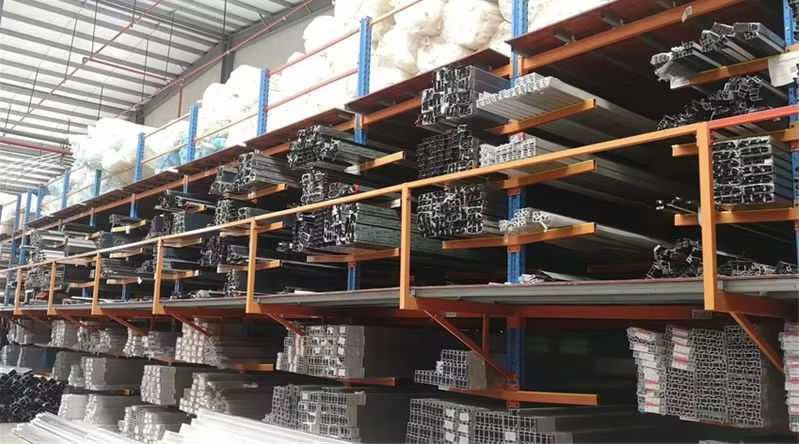
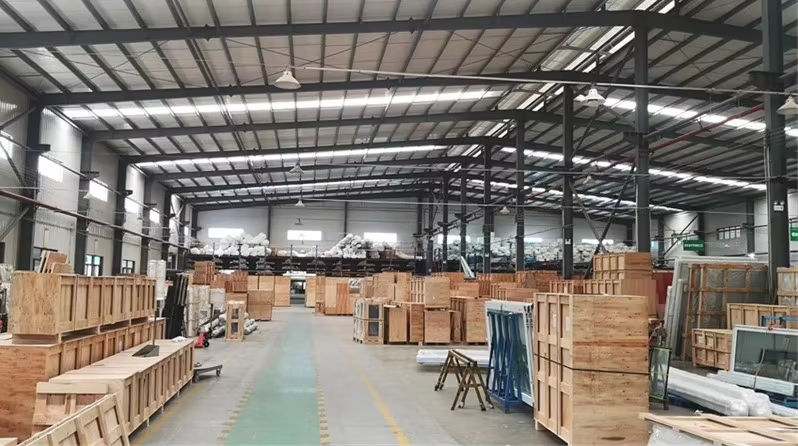
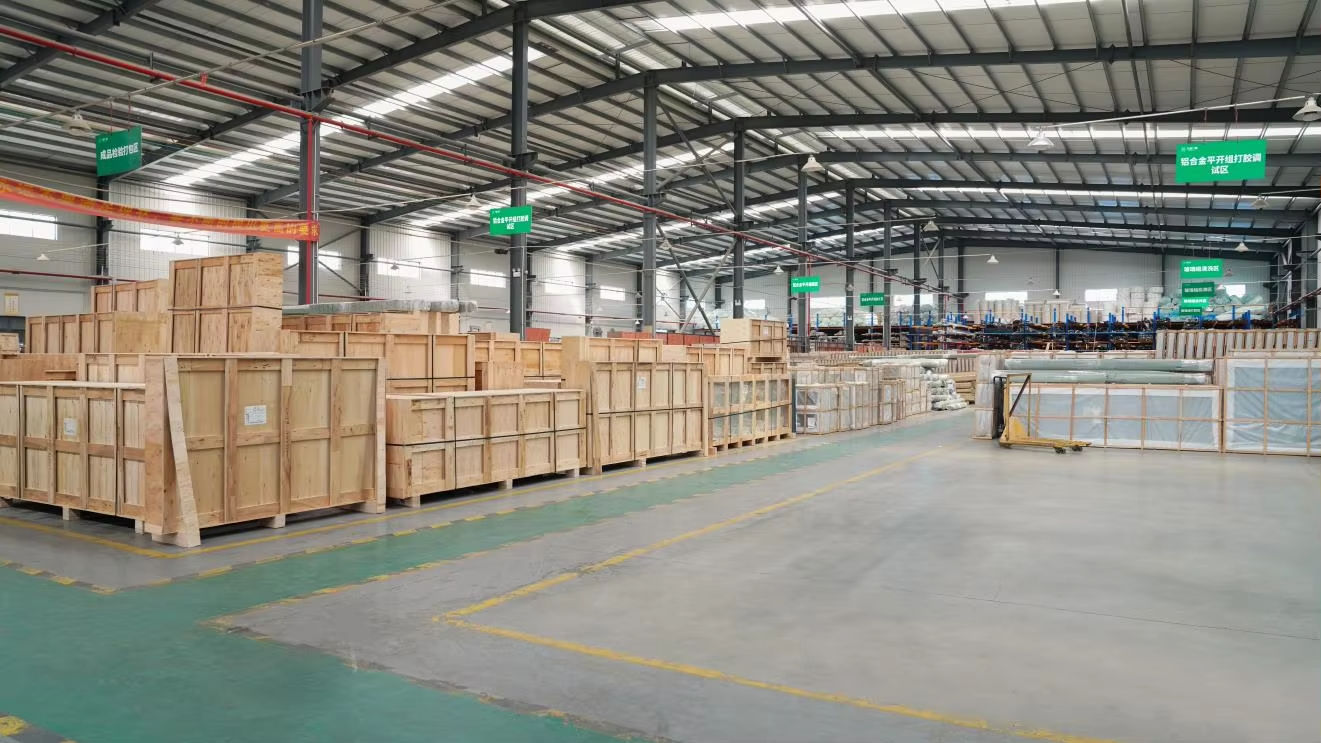
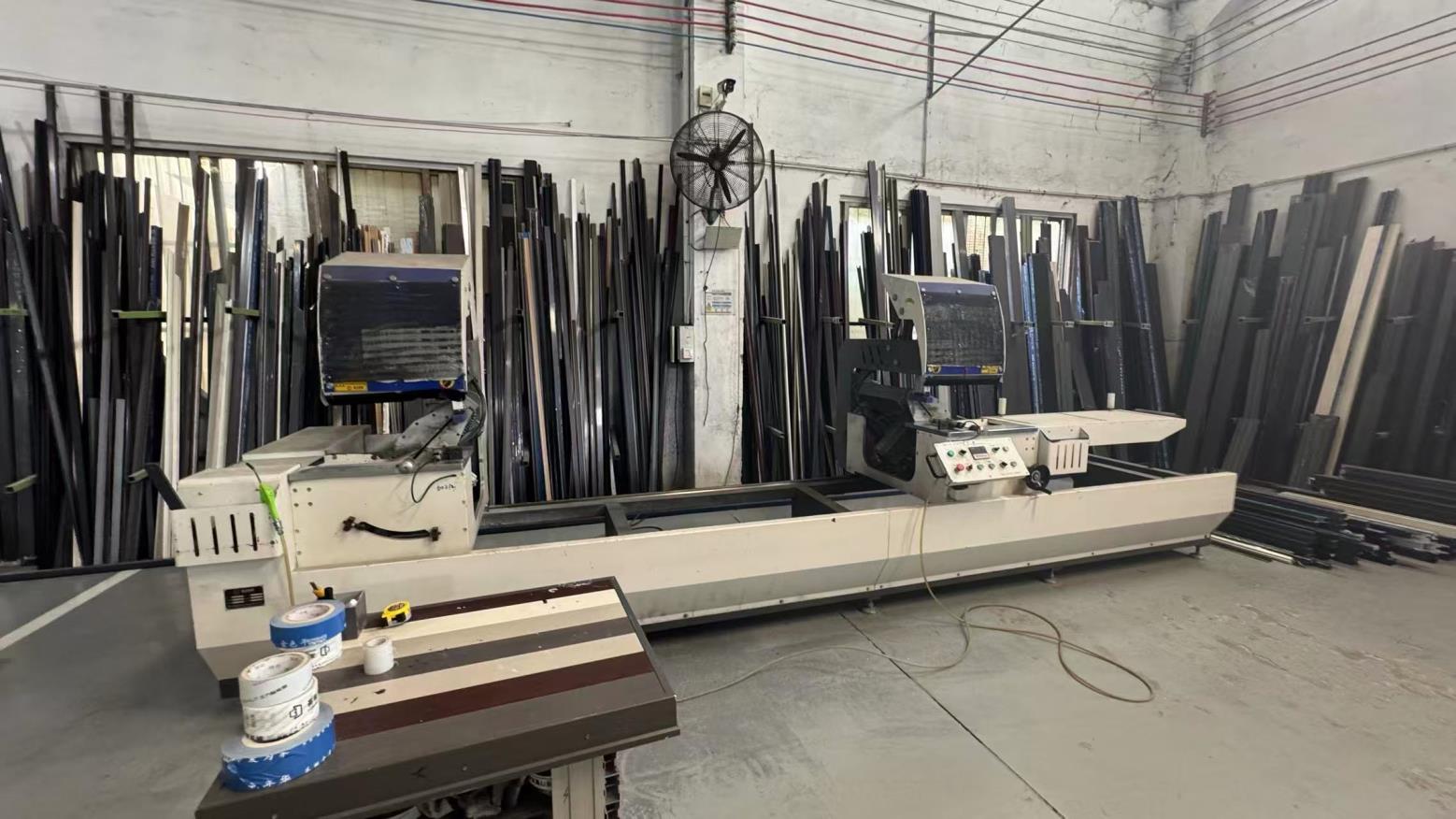
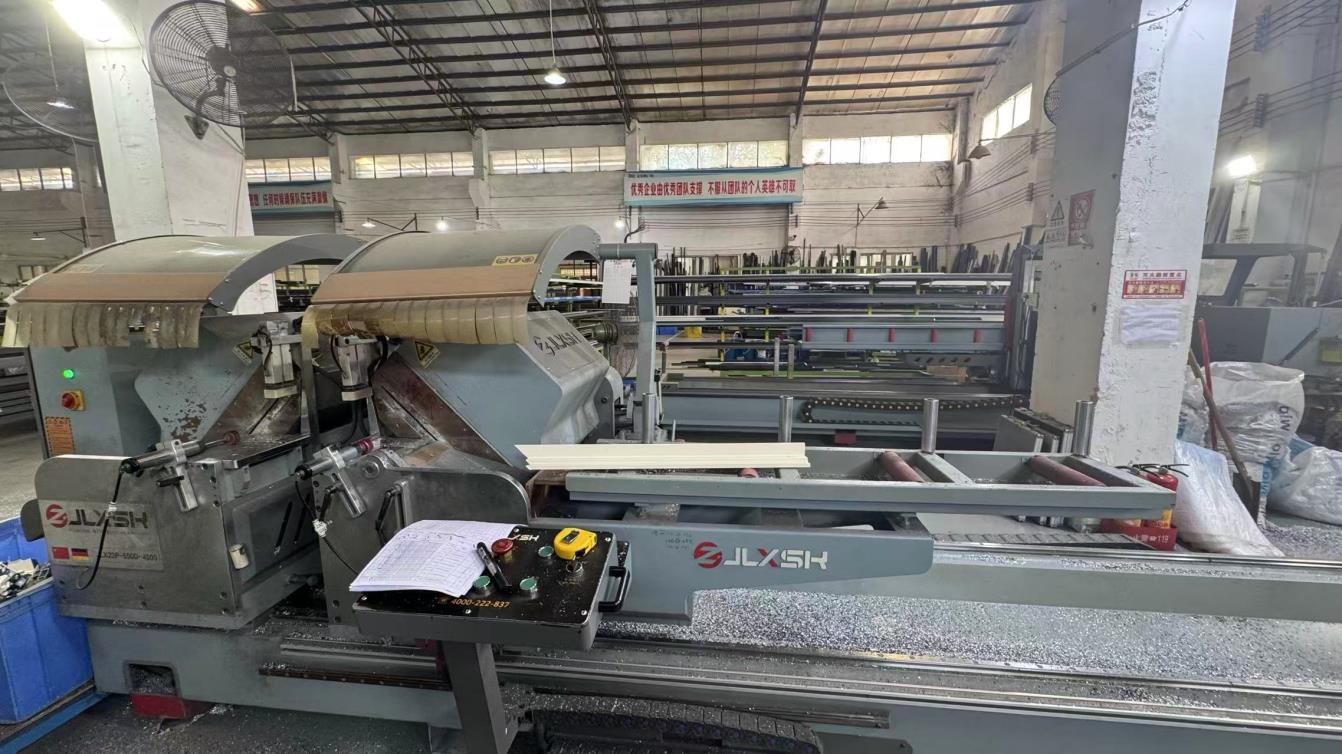
For export to Novosibirsk, we recommend project-based packing rather than loose cartons. Frames should be protected at corners, glass separated where applicable, hardware packed in labeled kits, and container loading sequenced by installation zone. A 40FT container program can include multiple window types, shutters, louvers, and skylights, but the packing list must remain legible. Documentation can include confirmation drawings, material and finish specifications, glass build-up, installation instructions, and warranty terms. Where project-specific certification or testing evidence is required, the scope should be agreed before order confirmation so that expectations are aligned.
We also recommend a pre-shipment review with the Novosibirsk project team: opening schedule, elevation references, hardware handing, site access, lifting equipment, and winter installation constraints. This review reduces the risk of discovering a mismatch after the container arrives. Because the company offers integrated services from design to sales, the same commercial and technical thread can follow the project from inquiry to after-sales support.
Aluminum windows can be suitable when specified as thermal-break systems with appropriate glass, spacers, gaskets, drainage, and installation. We evaluate each project's indoor humidity, wind, snow, and use-case. A generic single-glazed or non-thermal-break window is not appropriate. For extreme cold, triple glazing, warm-edge spacers, multi-chamber profiles, and controlled installation details are recommended. Final performance depends on the complete assembly, not the frame alone.
It depends on ventilation, acoustics, dust, and access. Heavy-duty louver vent windows are useful where airflow and weather protection must coexist. Casement windows provide controlled natural ventilation and emergency access. Soundproof windows help where machinery noise is an issue. We often combine products within one elevation, using louvers for plant rooms and casement or fixed glazing for occupied areas.
Condensation control begins with reducing cold-bridge risk and aligning glass performance with indoor humidity. Key measures include thermal-break frames, warm-edge spacers, appropriate gas fill and low-E coatings, drained and ventilated glazing rebates, quality gaskets, and correct installation insulation. We ask for indoor temperature and humidity assumptions so that the window specification can be reviewed realistically. In industrial buildings, ventilation and humidity control also play a major role.
Yes. The portfolio includes 6063/6061 aluminum profiles, casement, sliding, louver, shutter, skylight, cleanroom, and garage door window options. We can discuss powder-coated colors, anodized finishes, glass types, hardware handing, screen options, and project-specific sizes. Customization must be confirmed on drawings before production. For Novosibirsk projects, we recommend early review of container packing and installation sequence when sizes are non-standard.
Lead time depends on drawing approval, profile and glass availability, finish, hardware, quantity, and season. A typical factory-direct project follows drawing confirmation, production scheduling, fabrication, pre-shipment inspection, and container loading. We plan 40FT loading by installation zone and provide a packing list. Winter installation windows should be considered in the project schedule. Exact dates should be confirmed at order.
We can prepare confirmation drawings, window schedules, glass build-up descriptions, finish references, packing lists, installation guidance, and warranty terms. Where a project requires specific certificates or test evidence, the requirement should be stated at inquiry so the available scope can be verified. We do not make blanket claims; documentation is matched to the actual product configuration and order.
Aluminum offers high dimensional stability, corrosion resistance, recyclability, precise extrusion, and strong suitability for large or heavy-duty openings. Thermal-break aluminum can achieve strong performance in cold climates. PVC can be cost-effective in some residential applications, while wood requires more maintenance. For industrial buildings, aluminum is often preferred where durability, large spans, automation, louvers, shutters, or cleanroom details are required. The best choice depends on performance targets and life-cycle budget.
Routine maintenance includes cleaning drainage channels, checking gaskets and sealant lines, lubricating hardware, verifying locking alignment, and inspecting shutters or skylight drives. In dusty industrial settings, more frequent cleaning may be needed. A spare-part list and maintenance schedule should be agreed at handover. Proper maintenance protects weather tightness and extends service life.
Share your building type, opening sizes, winter performance expectations, glass requirements, finish preferences, and target shipment schedule. Our team will review the product configuration, ask the right technical questions, and prepare a factory-direct response for the Novosibirsk market.
Send Inquiry NowThis final selection completes the factory-direct portfolio with eight product families that address daylight, sound control, roof ventilation, cleanroom performance, louver ventilation, garage doors, and mixed-material window comparisons. Each card preserves the original product URL so that Novosibirsk buyers can move directly from market research to a technical inquiry.