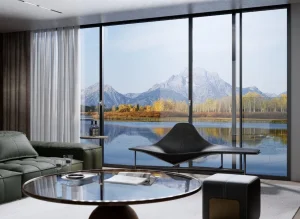
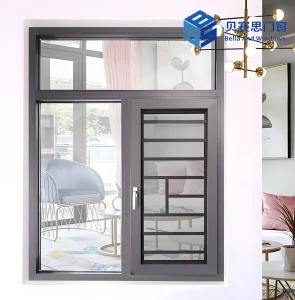
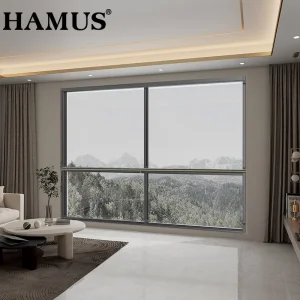
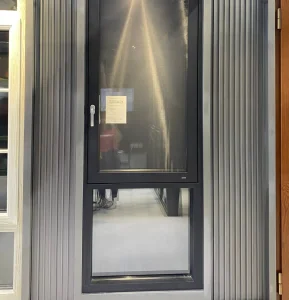
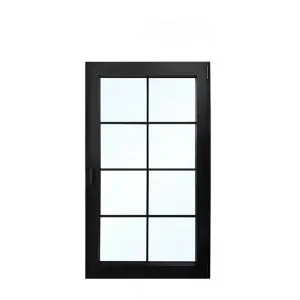
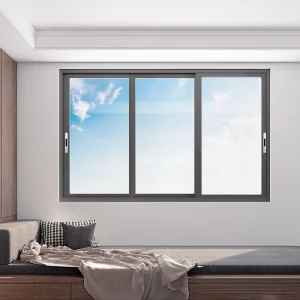
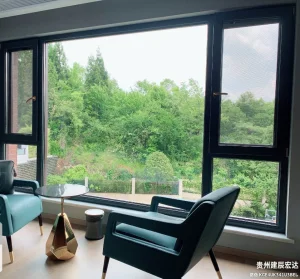
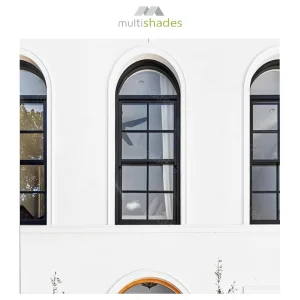
Topanish Door
Topanish Door
Topanish Door
Engineered to meet LBN 002-19 thermal regulations and withstand C4/C5 environmental conditions across Riga, Jūrmala, and Liepāja.
Latvian construction sits at a challenging climatic crossroads. Architects and contractors from Riga to the Gulf of Riga face two distinct, aggressive factors: localized salt-fog atmospheric corrosion along the coast (Liepāja, Ventspils, and Jūrmala) and severe seasonal temperature shifts spanning from -25°C in mid-winter to +30°C in high summer.
Standard architectural aluminum profiles installed in these zones degrade rapidly if not treated with robust metallurgical protections. Under the Latvian Building Regulation **LBN 002-19 (Thermal Performance of Building Envelopes)** and the broader European standard **EN ISO 12944**, systems must resist Class C4 (Industrial/Coastal) or C5 (Marine Coastal) atmospheric corrosivity while delivering thermal transmittance ($U_w$) values as low as **0.80 W/m²K** for passive house projects.
Our solutions deploy **6063-T6 Structural Aluminum Profiles**, pre-treated with marine-grade anodizing or PVDF coatings that pass 3,000-hour ASTM B117 salt spray tests, guaranteeing longevity without structural compromise.
How we achieve C5-M Class corrosion resistance and superior thermal ratings through advanced manufacturing science.
Our specialized pre-anodizing process builds an ultra-dense, controlled oxide film of 15-25μm thickness. This provides an anchor for the topcoat, ensuring that even if the outer color layer is scratched, the underlying aluminum remains immune to filiform corrosion.
Equipped with high-performance German-engineered Technoform or similar polyamide thermal struts (up to 39mm wide) with fiberglass reinforcement. Our profiles prevent thermal bridging, mitigating condensation and internal mold development.
Triple-pane insulated glass units (IGU) filled with 90% Argon gas, combining low-E coatings with warm-edge spacers. This configurations achieves optimal Solar Heat Gain Coefficient (SHGC) and minimal heat transfer coefficients.
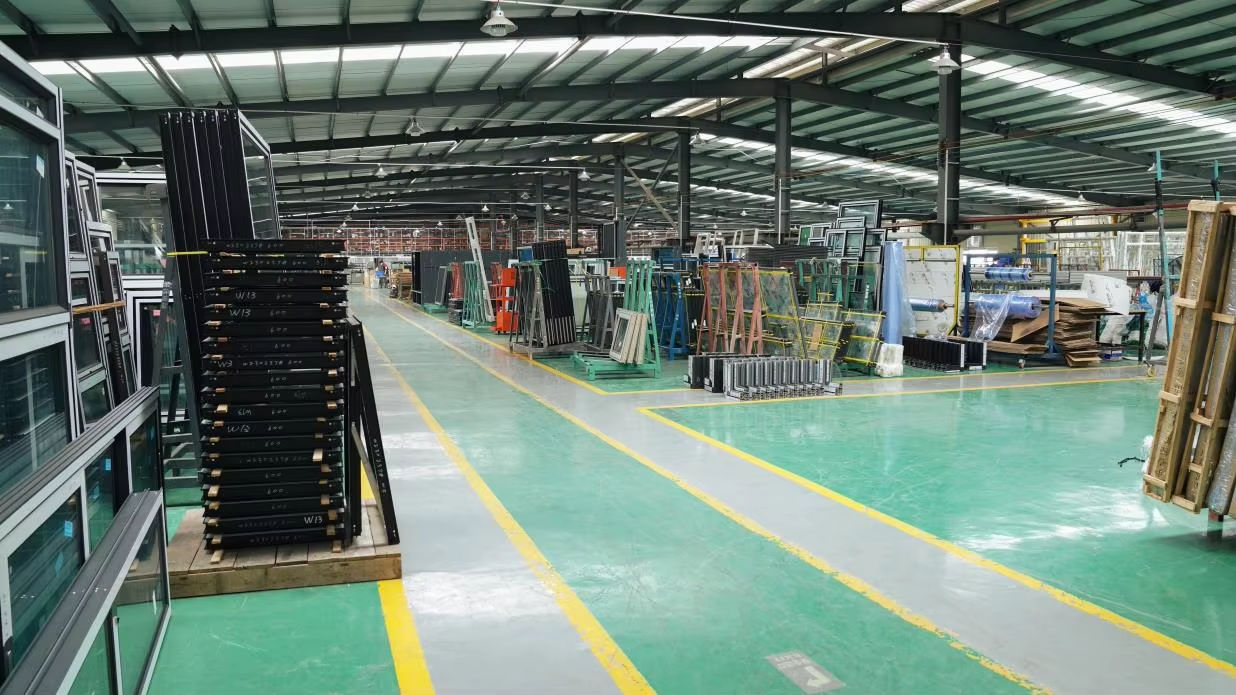
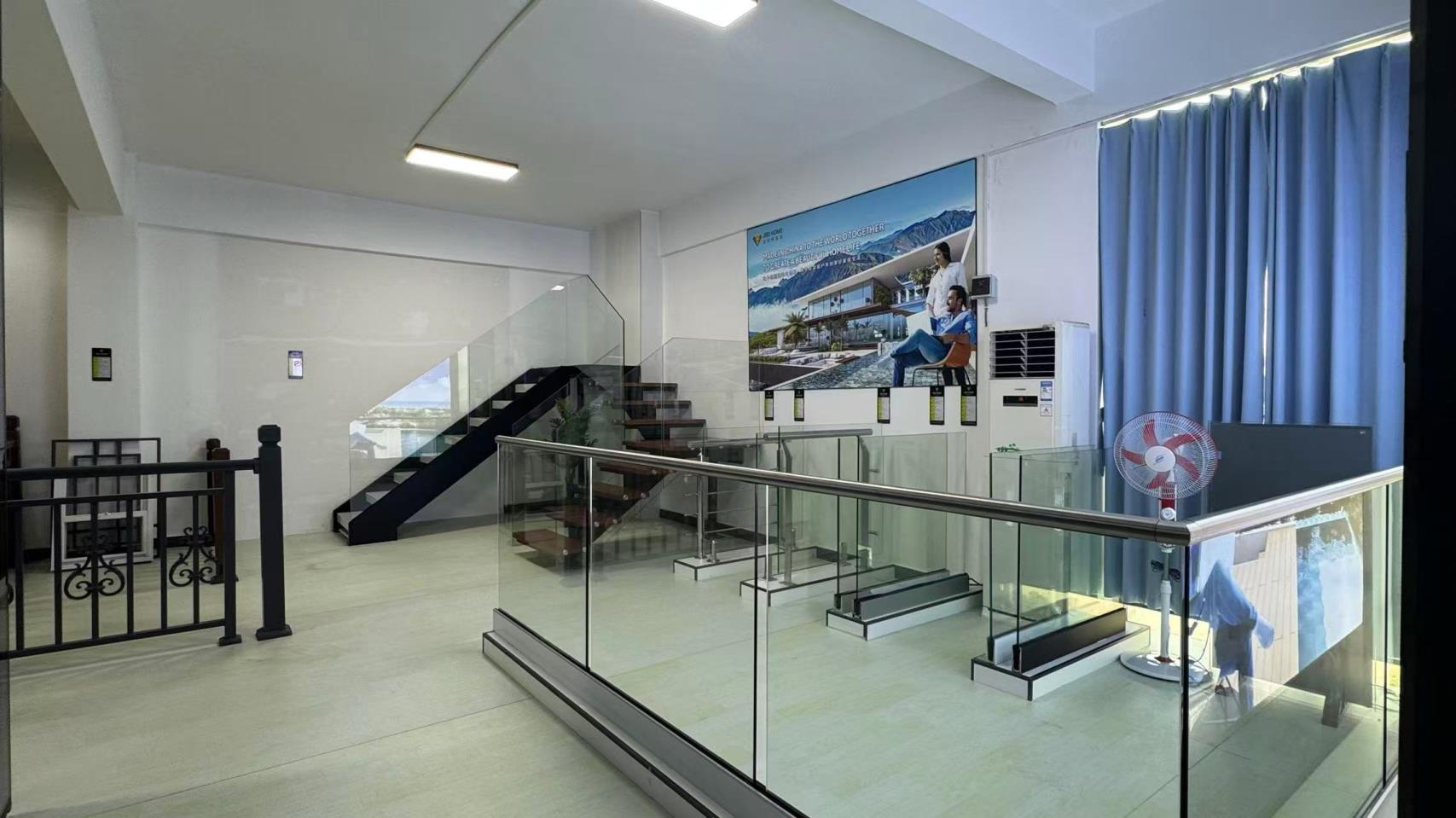
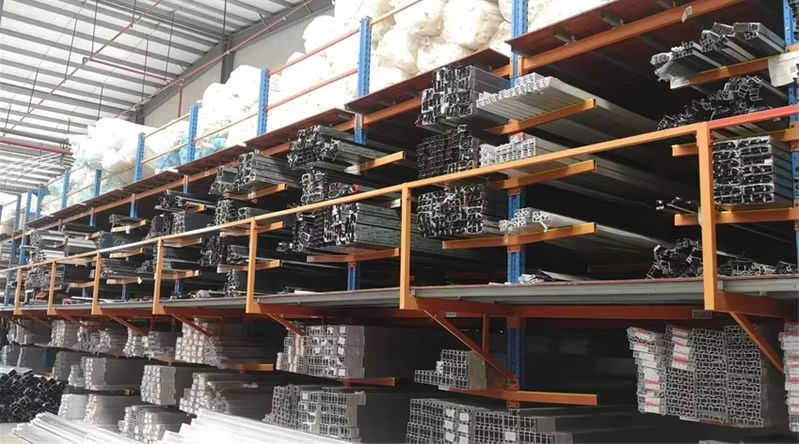
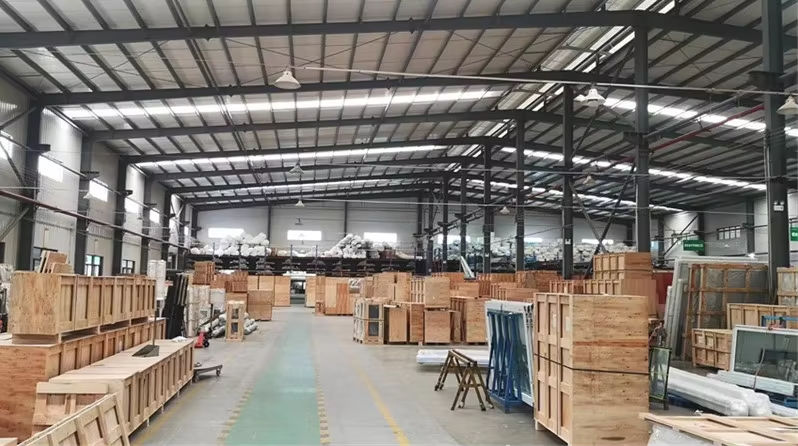
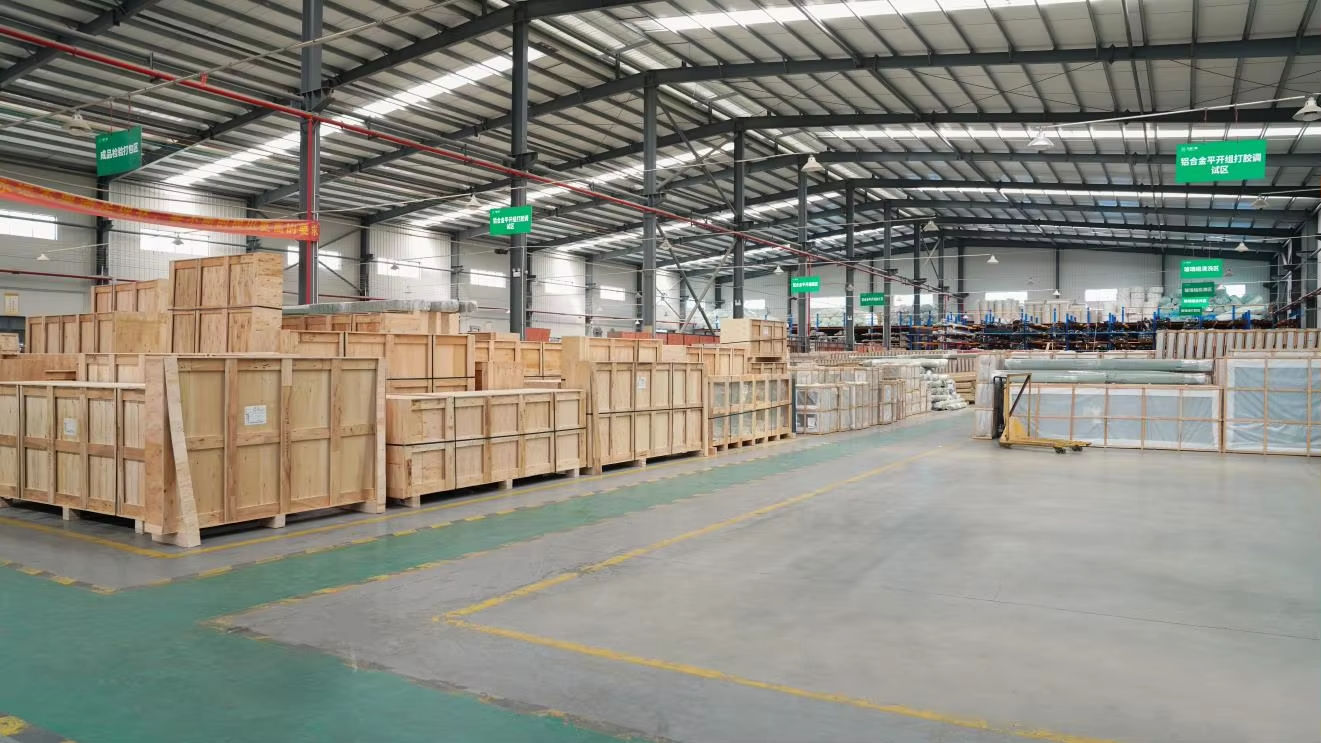
Our modern facility merges advanced German processing lines with automated smart manufacturing, ensuring robust production and competitive pricing for bulk Baltic projects.
"The company relies on modern standard factory buildings and management systems, introduces advanced German door and window technology, gathers senior designers in the industry, focuses on aluminum alloy doors and windows for 10 years, and provides integrated services from design to sales. The product line covers balcony sliding doors, indoor partition doors, sliding windows, casement windows, and folding doors, all of which follow high standard production processes to ensure excellent quality."
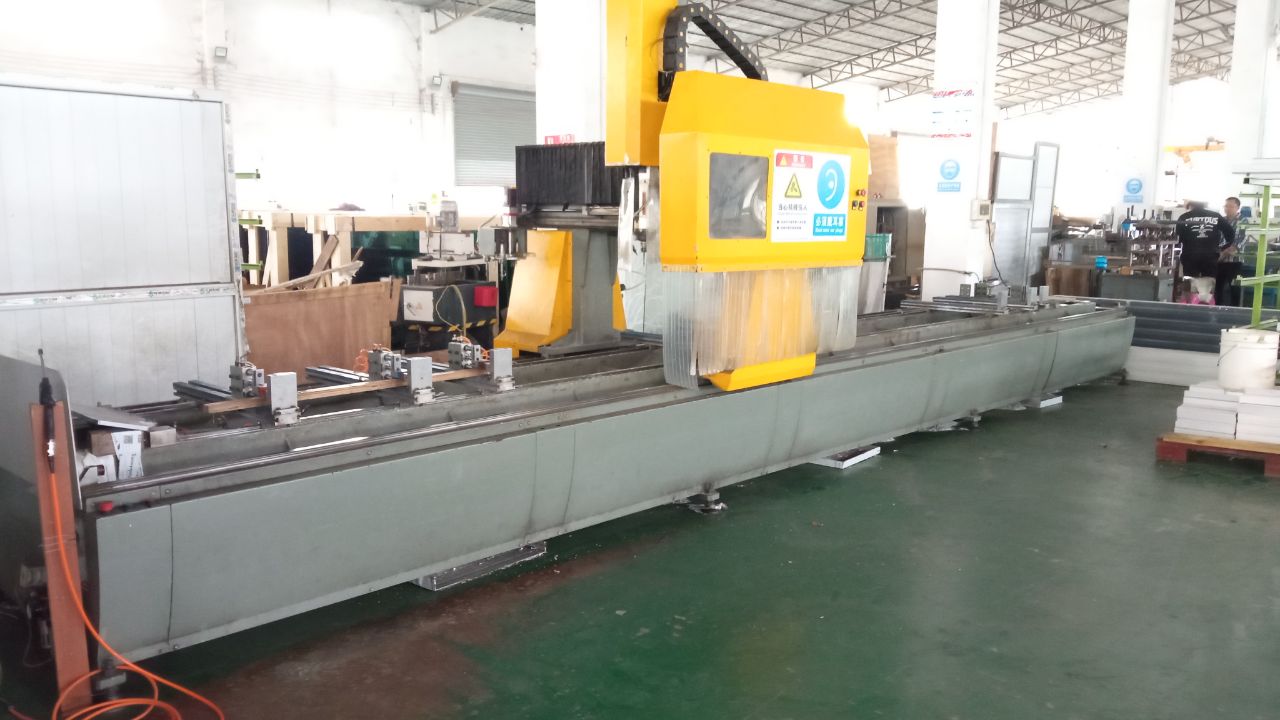
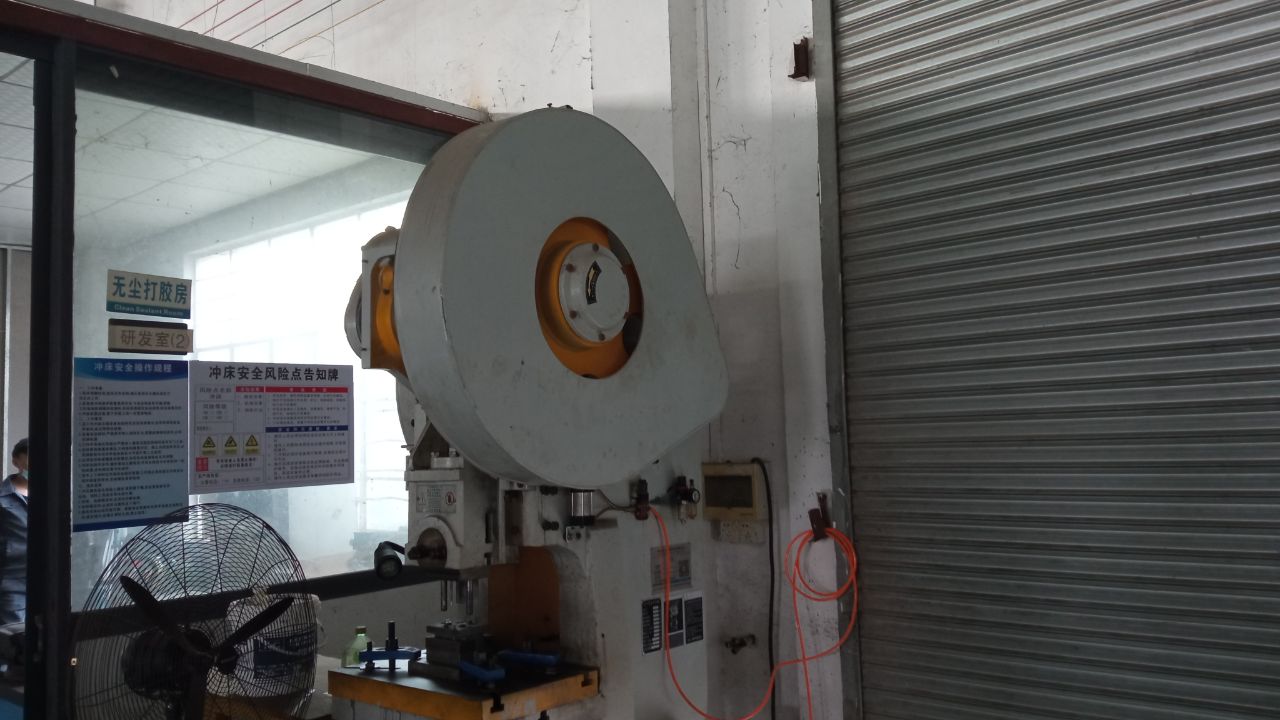
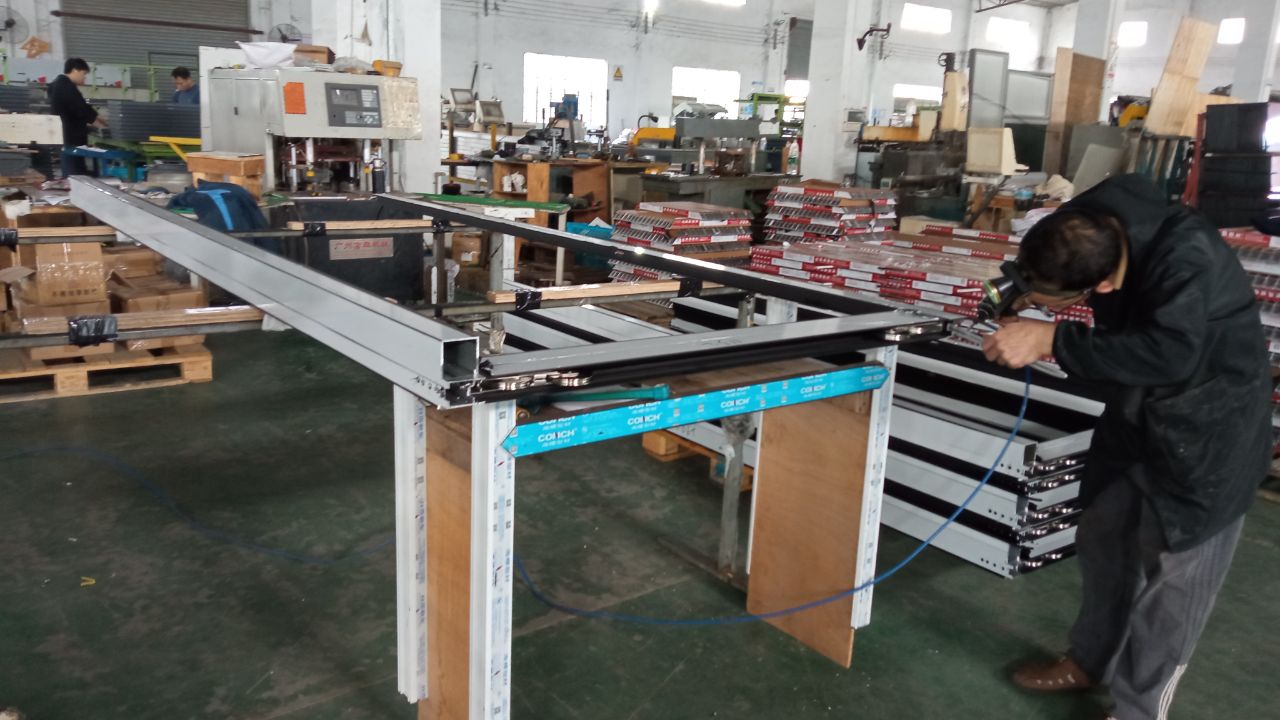
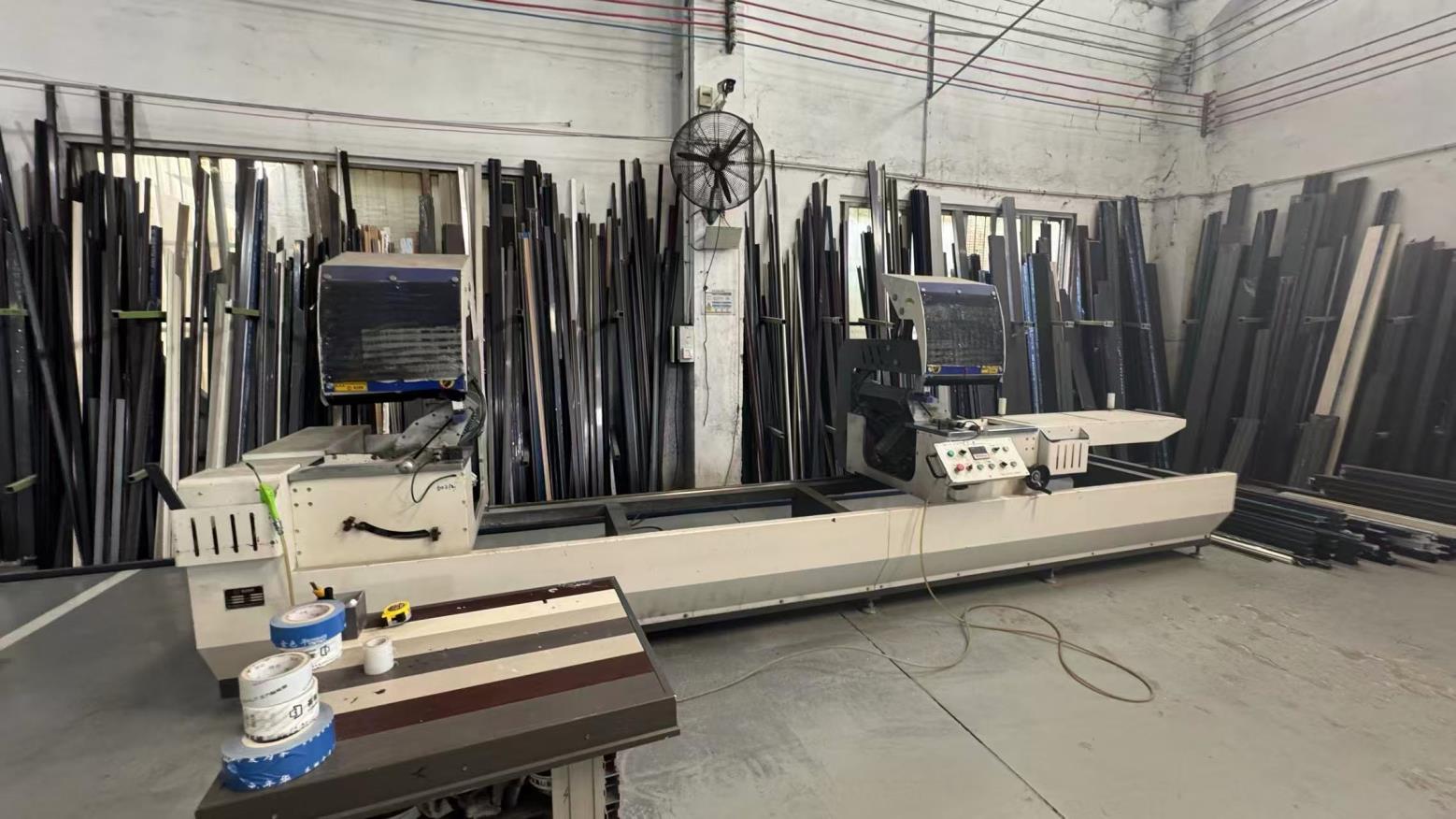
By using CNC multi-spindle processing centers, we ensure millimetric accuracy on all lock cavities, drainage systems, and structural connections. Components undergo a high-pressure polyurethane corner-crimping process with structural dual-component corner glues, avoiding water entry points at frame connections.
For B2B buyers in Latvia, this translates to structural durability, eliminating hardware misalignment issues during installation, and minimizing onsite adjustments in cold weather. All window units undergo a comprehensive pre-shipment QC inspect that checks gaskets, gas fill rates, and seal integrity.
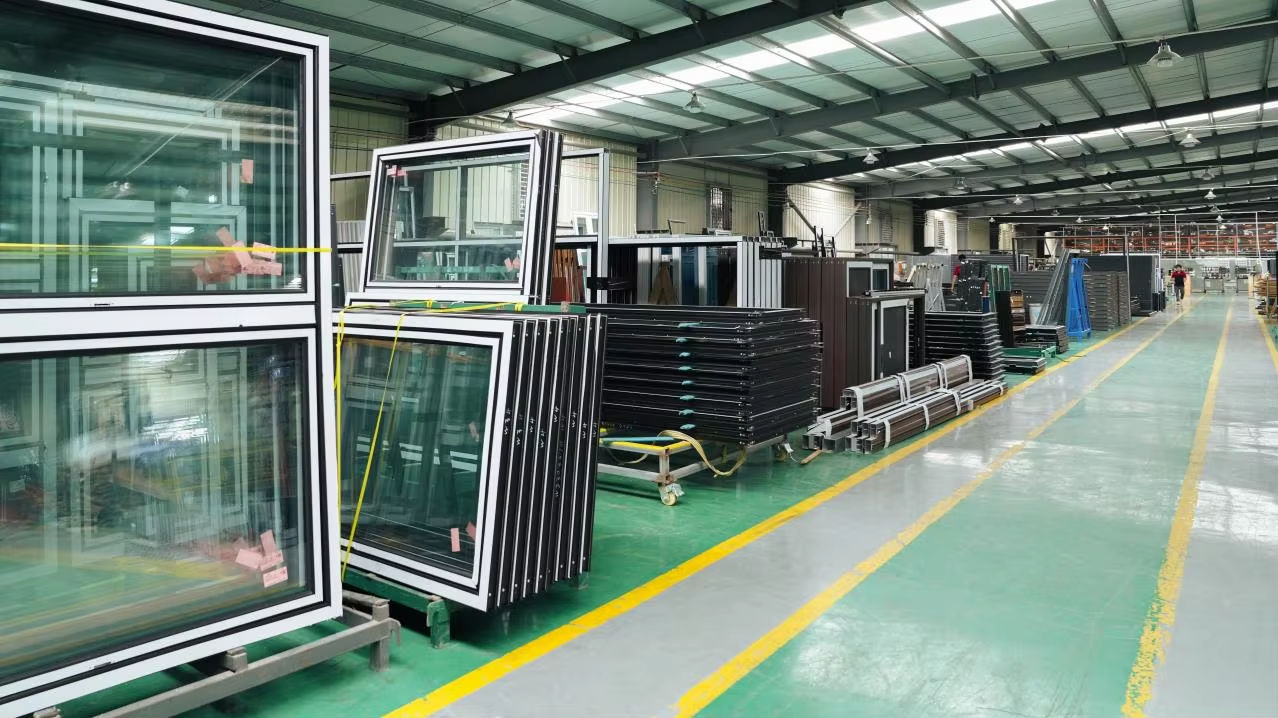
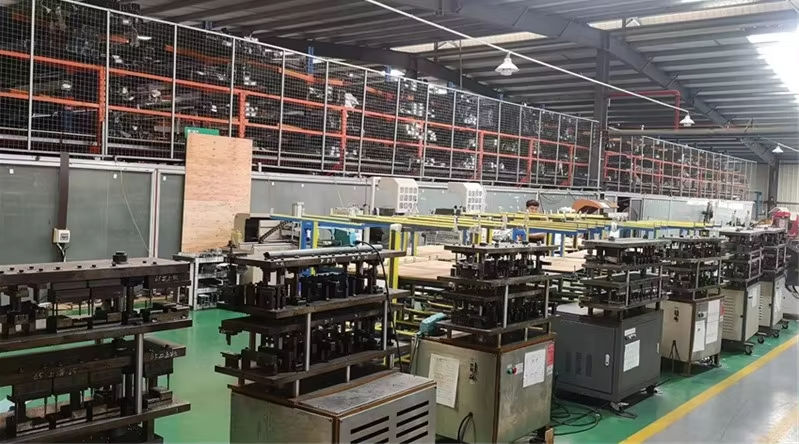
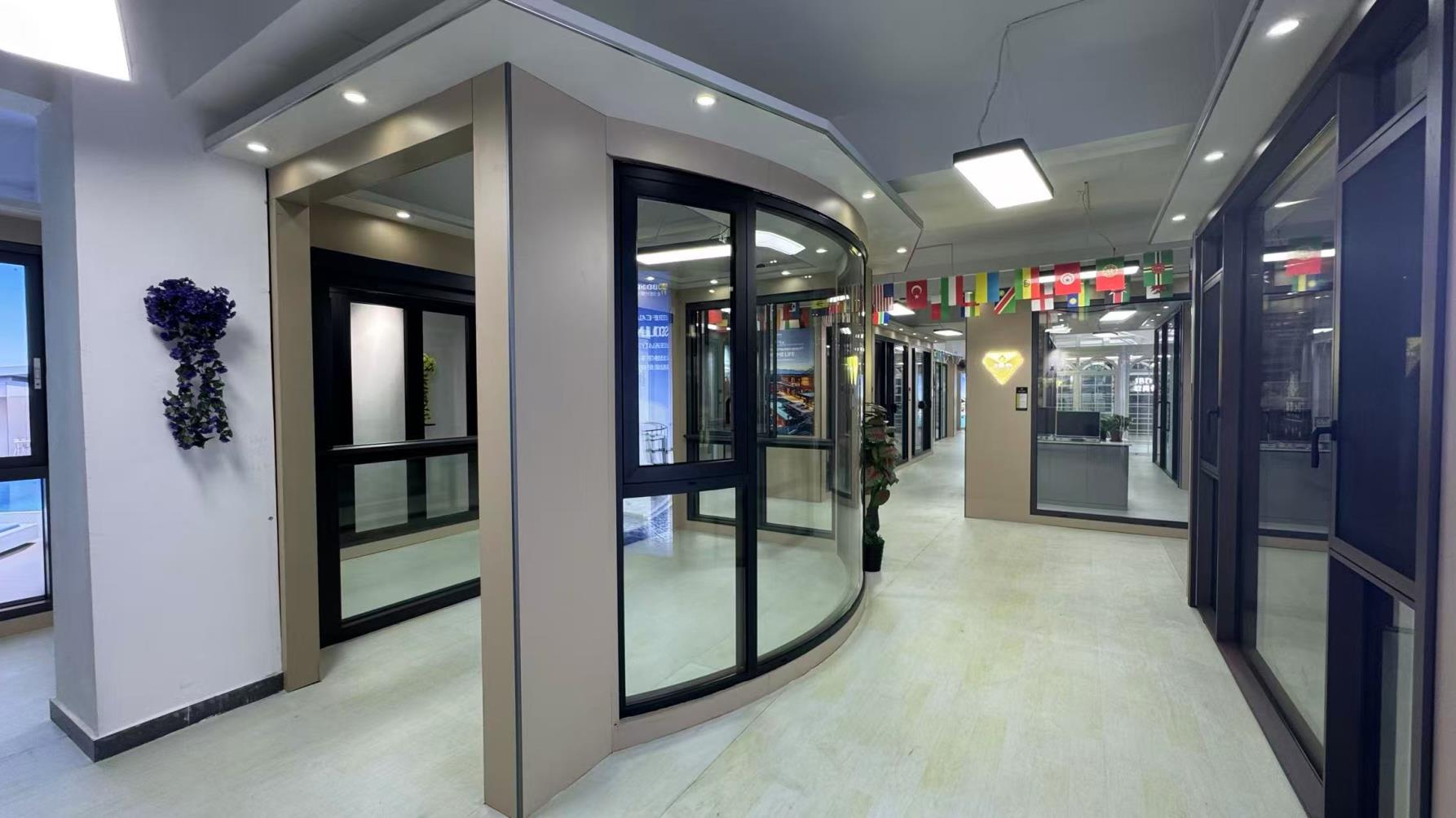
Our product lines are tailored for specific structural architectural applications throughout the Baltic.
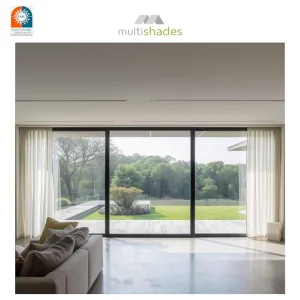
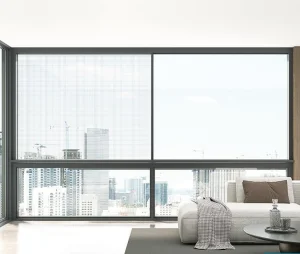
High wind loads and direct saltwater spray require heavy-duty sliding systems. Our coastal installations utilize thick pre-anodized undercoats coupled with PVDF coatings to ensure structural integrity and resistance to hardware pitting.
Focus on sound dampening (anti-noise up to 45dB) and energy-efficiency compliance. Our multi-chambered profiles with triple glazing match the historic aesthetic requirements while adhering to new European low-emission mandates.
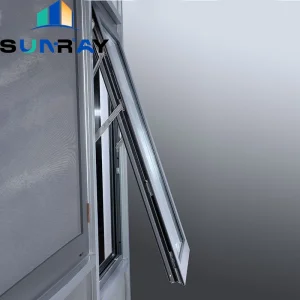
Requires cost-effective, high-durability products. Fixed glazed systems and top-hung windows with reinforced thermal breaks guarantee low maintenance under high traffic and continuous dust exposures.
A broad range of configuration choices with varying opening types, acoustic dampening, and profile options.
Addressing structural and logistical questions from Baltic project engineers and architects.
Partner with a dedicated factory for custom specifications, structured discounts, and engineering support on complex commercial or residential projects.