Topanish Door
Choosing aluminum windows and doors is not simply a matter of appearance or frame price. A bright showroom sample may perform differently beside a windy coast, a humid city, or a freezing mountain home. The real question is practical: How to choose aluminum doors and windows suitable for different environments? This guide examines ten reliable selection methods, from climate data and thermal breaks to glass, drainage, seals, and installation quality. It treats the opening as a complete system, not an isolated product. That distinction matters. A strong frame cannot compensate for poor glass or careless fitting.
In hot regions, low-E glazing, solar control, and exterior shading can reduce heat entering a room. In cold climates, insulated frames and double or triple glazing help limit heat loss. Coastal buildings need durable finishes, corrosion-resistant hardware, and regular cleaning because salt settles into corners. Wet or storm-prone areas demand tested air, water, and wind performance, plus sloped sills and clear drainage paths. High elevations may require careful glass selection because temperature changes can stress sealed units. Ask manufacturers for test reports, thermal values, warranty terms, and maintenance guidance. Independent installers should verify openings, anchors, flashing, and perimeter seals on site. Small details matter.
No single frame wins everywhere. Even experienced teams can overlook shading, local exposure, or future repairs. That is why informed comparison beats a quick purchase. The recommendations ahead combine practical observations with established building-performance principles, while acknowledging that local codes and professional advice remain essential.
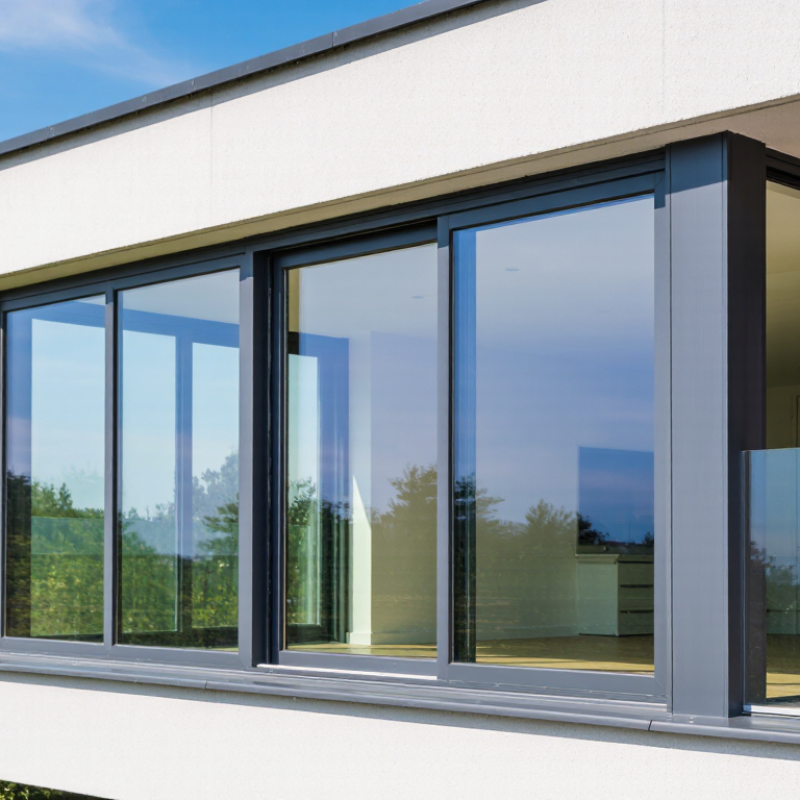
Top 10 Ways to Choose Aluminum Windows and Doors for Any Climate
Climate should guide every window and door decision. NFRC ratings offer a reliable comparison between products. U-factor measures heat transfer through the assembly. Lower values usually mean better insulation. In cold climates, select aluminum frames with thermal breaks and low U-factors. This helps reduce indoor heat loss near glass edges. In hot climates, low U-factor still matters. However, SHGC becomes equally important. SHGC shows how much solar heat enters through the glazing.
Choose a lower SHGC for hot, sunny regions, especially on west-facing walls. It can reduce afternoon overheating and cooling demand. In colder zones, a moderate or higher SHGC may provide useful passive heat. Orientation changes the answer. A south-facing window may need different glass than a shaded north-facing window. Local humidity also matters. Condensation resistance, air leakage, and proper installation deserve careful review.
Ratings are only part of the decision. I have seen excellent specifications perform poorly after uneven installation. Small gaps can defeat expensive glazing. Ask for the complete NFRC label, not just a single number. Compare U-factor and SHGC together. A perfect rating does not exist. I still question overly simple recommendations. Climate zones describe broad conditions, while homes experience shade, wind, and seasonal extremes. Select aluminum systems that balance thermal performance, daylight, ventilation, and maintenance needs. Test samples in the actual opening when possible. It reveals practical problems early.
Aluminum conducts heat at approximately 205 W/m·K, according to the ASHRAE Handbook—Fundamentals. Without thermal separation, indoor heat can quickly escape through the frame.
A continuous thermal break interrupts this path with a low-conductivity insulating material, often reinforced polyamide. It improves frame performance and reduces interior condensation risks.
The U.S. Department of Energy estimates that windows can cause 25–30% of residential heating and cooling energy use. Therefore, compare whole-window U-values, not frame claims alone.
Lower U-values generally indicate better insulation. In hot climates, also check the solar heat gain coefficient, or SHGC. A lower SHGC can reduce unwanted afternoon heat through large glazed doors. In cold regions, moderate solar gain may be useful. Climate changes the correct specification.
Tips:
Ask for tested U-value, SHGC, air-leakage, and condensation data under NFRC 100 and NFRC 400 procedures. Confirm the thermal break remains continuous around corners, sashes, and door thresholds.
Inspect the sample closely. Tiny metal bridges can undermine excellent-looking specifications. A thicker frame is not automatically better.
Installation matters too; poor perimeter sealing can waste the benefit of a high-performance system.
I would also question unusually low ratings. They may describe glass only, not the complete window. That distinction is easy to miss.
When choosing aluminum windows and doors for any climate, focus on the Solar Heat Gain Coefficient, or SHGC. This value ranges from 0 to 1. A lower number blocks more solar heat, while a higher number admits more sunlight and warmth. In hot climates, low-SHGC Low-E glazing can reduce afternoon heat, especially on west-facing windows. Rooms feel cooler, and air-conditioning systems may work less.
Climate alone is not enough. Window orientation, shading, glass size, and indoor comfort goals also matter. A south-facing window under a deep roof overhang may tolerate a higher SHGC than an exposed west-facing door. In cold climates, moderate or higher SHGC glazing can provide useful winter warmth. However, excessive solar gain may cause uncomfortable indoor temperatures during spring and autumn. Check the window’s U-factor as well, because heat loss and solar gain are different performance issues.
A practical selection often starts with local climate data, then adjusts for each elevation. Ask for certified performance values, not vague claims such as “energy saving.” A lower SHGC is not automatically better. I have seen designs overcorrect for summer heat and create dim, chilly rooms in winter. That mistake is easy to make. Review visible light transmission, exterior shading, and room use together before choosing the glass.
Choosing aluminum windows and doors for any climate requires more than comparing frame colors or glass thickness. Air leakage deserves close attention. Verify that the tested rate does not exceed 0.3 cfm/ft² at 75 Pa. This pressure level helps reveal weak seals, loose corners, and poor frame connections. Check the independent test report, not only a sales sheet. Numbers matter.
Look for continuous gaskets, secure corner joints, and thermally broken aluminum frames. In cold regions, these details reduce drafts and interior condensation. In hot or humid areas, they help limit conditioned-air loss and moisture movement. A multi-point locking system can compress seals more evenly around the sash. Ask whether the test covered the complete window or door assembly, including hardware and glazing.
Installation changes everything. A well-tested unit may still leak through an uneven opening, missing backer rod, or compressed insulation. Inspect the perimeter before interior finishes hide it. Use compatible flashing and sealants around the frame, especially where wind-driven rain is common. I have found that field conditions rarely look as clean as laboratory drawings. That limitation deserves honest discussion. Recheck suspect openings with smoke pencils or calibrated pressure testing. One small gap can create a noticeable cold line beside a living-room chair.
Verify that air leakage does not exceed 0.3 cfm/ft² at 75 Pa. This benchmark is applied consistently across climate conditions because airtightness is essential for energy efficiency, comfort, and moisture control.
The chart shows the maximum allowable air-leakage benchmark at the specified test pressure. Actual product results should be confirmed through independent test reports and verified installation details.
Aluminum windows should be selected by tested performance, not frame appearance. FGIA’s AAMA/WDMA/CSA 101/I.S.2/A440 standard assigns Performance Grades for air leakage, water penetration, and structural pressure. A PG 50 unit is tested at 50 psf design pressure. Its water test uses 20% of that pressure, while structural testing reaches 1.5 times design pressure. Confirm the rating on the product label and test report. A brochure alone is weak evidence.
Climate exposure changes the choice. NOAA NCEI recorded 27 U.S. billion-dollar weather and climate disasters in 2024, tying 2023 for the highest annual count. The Fifth National Climate Assessment also reports heavier precipitation across many U.S. regions. Coastal buildings need attention to windborne debris, salt, and pressure reversals. Wet climates demand reliable water resistance and drainage. A high PG cannot correct poor installation. That is easy to forget.
Match the PG to calculated design pressures, not a generic climate label. The 2024 International Building Code considers wind speed, exposure, height, and risk category. Ask for required positive and negative pressures. Verify the tested assembly includes the selected size, mullions, hardware, and glazing. Field checks should include level sills, continuous flashing, sealed fasteners, and open drainage paths. Watch the corners. Testing is controlled; buildings are not.
Use the following checklist to compare aluminum windows and doors by climate exposure and project requirements. AAMA/WDMA/CSA performance grades are project-specific: the final grade must be confirmed from the applicable building code, site wind calculations, opening size, product certification, and the project design professional.
| No. | Climate or Exposure | Main Performance Risks | AAMA Performance Grade Approach | Important Data to Compare | Selection and Verification Action |
|---|---|---|---|---|---|
| 1 | Mild, low-wind climate | Routine rain, moderate air movement, and normal residential structural loads. |
Baseline PG Selection Select the lowest certified PG that satisfies the project design pressure and local code. Do not choose a grade from climate alone. |
Certified performance grade; design pressure in psf; air leakage; water penetration resistance; frame and sash structural test results. | Match the product’s certified PG and maximum tested size to the rough-opening schedule. Confirm that the product is tested to the applicable AAMA/WDMA/CSA 101/I.S.2/A440 standard. |
| 2 | Cold and heating-dominated regions | Heat loss, interior condensation, air leakage, freeze-thaw movement, and ice formation around openings. |
PG + Thermal Design Choose the required PG first, then prioritize a thermally improved aluminum frame and insulated glazing. |
U-factor; condensation resistance; air leakage; thermal-break continuity; glazing edge spacer; insulated glass configuration. | Use project energy-code requirements for U-factor and air leakage. Review frame thermal bridges, interior surface temperatures, drainage paths, and compatibility with low-temperature sealants. |
| 3 | Hot and cooling-dominated regions | Solar heat gain, cooling loads, sealant aging, thermal expansion, and air leakage. |
PG + Solar Control Select a certified PG suitable for local wind and rain exposure, with glazing and frame options designed for heat control. |
Solar heat gain coefficient; visible transmittance; U-factor; air leakage; frame expansion joints; drainage and weep performance. | Select glazing according to orientation and cooling load. Confirm that finishes, gaskets, sealants, and hardware are rated for expected temperature and ultraviolet exposure. |
| 4 | Wind-exposed coastal areas | High positive and negative wind pressure, wind-driven rain, corrosion, and repeated pressure cycling. |
Higher PG Required Specify the PG established by the site-specific design pressure. A higher PG may be required for taller buildings, exposed sites, or larger openings. |
Positive and negative design pressure; product size limits; water penetration resistance; mullion and anchor capacity; corrosion-resistant components. | Obtain the project wind-speed and exposure classification from the design professional. Verify product approval, tested configuration, anchorage, impact requirements where applicable, and installation details. |
| 5 | Hurricane-prone or high-wind zones | Extreme wind pressure, windborne debris impact, progressive water entry, and structural failure of large glazed openings. |
PG + Impact Compliance Use the project-required PG and separately verify any mandatory impact-resistant or site-specific approval. PG alone does not automatically indicate impact resistance. |
Required design pressure; impact test classification; cyclic pressure performance; glass retention; anchorage; water resistance after impact testing. | Confirm the applicable local or regional code. Review the exact certified product size, glass type, hardware, mullion arrangement, fasteners, and installation method rather than relying on a generic product label. |
| 6 | Heavy-rain and monsoon climates | Wind-driven rain, clogged drainage paths, water leakage at corners, and deterioration of surrounding finishes. |
Water Test Priority Select a PG that meets the required structural design pressure and has a water penetration resistance test suitable for the project exposure. |
Water penetration test pressure; sill drainage capacity; weep-hole design; air leakage; corner and frame-joint sealing; installation flashing. | Keep sill weeps clear and provide a properly integrated sill pan, flashing, end dams, and head flashing where required. Never seal over designed drainage openings. |
| 7 | Humid, salt-air, or marine environments | Galvanic corrosion, pitting, finish degradation, salt deposits, and corrosion of fasteners or hardware. |
PG + Corrosion Strategy Choose a PG appropriate to wind and water exposure, then specify an aluminum finish and hardware package suitable for the marine environment. |
Aluminum alloy and finish; coating specification; stainless-steel hardware; dissimilar-metal isolation; drainage; maintenance access. | Confirm finish requirements with the specification. Isolate dissimilar metals where necessary, avoid trapped moisture, use compatible fasteners, and establish a regular fresh-water cleaning schedule. |
| 8 | Snow, ice, and freeze-thaw regions | Snow accumulation, ice dams, frozen drainage paths, seal failure, and movement caused by repeated freezing and thawing. |
PG + Drainage Durability Select the required PG for wind and structural loads, with a frame and sill design that maintains drainage during cold-weather conditions. |
Design pressure; sill and weep geometry; air leakage; water resistance; thermal performance; sealant and gasket low-temperature flexibility. | Account for snow or ice exposure in the installation design. Keep drainage paths open, avoid incompatible sealants, and coordinate window or door placement with roof overhangs and snow-shedding zones. |
| 9 | Seismic or movement-sensitive buildings | Interstory drift, building movement, frame racking, glass edge contact, and sealant joint failure. |
PG + Movement Detailing Use the required PG while separately addressing drift, structural interlocks, perimeter joints, and anchorage movement. |
Structural test results; allowable deflection; frame-to-wall anchorage; perimeter joint width; glass bite; compatibility with building movement. | Obtain drift requirements from the structural engineer. Do not use rigid shims or sealants that prevent designed movement, and verify that the tested configuration matches the actual installation. |
| 10 | Mixed climates and variable exposure | Conflicting heating and cooling requirements, seasonal movement, changing wind-driven rain, and inconsistent installation quality. |
Complete Project Matrix Select the PG from the governing design pressure and exposure, then optimize thermal, solar, acoustic, corrosion, and operational requirements. |
PG and design pressure; air and water performance; U-factor; solar heat gain coefficient; condensation resistance; acoustic rating; hardware cycle performance. | Create an opening-by-opening schedule. Verify product certification, size limits, glazing, hardware, anchorage, flashing, sealants, and installer instructions before purchasing or fabrication. |
Important: AAMA Performance Grade is not a universal climate label. It is a tested performance classification tied to a specific product, size, configuration, and design-pressure requirement. Confirm the applicable edition of AAMA/WDMA/CSA 101/I.S.2/A440, local building-code provisions, wind calculations, water exposure, impact requirements, energy requirements, and professional engineering instructions before final selection.
Aluminum conducts heat quickly, at about 205 W/m·K. A continuous thermal break interrupts this path. It can reduce heat loss and interior condensation. Check corners and thresholds carefully.
Compare tested whole-window U-values. Frame claims can look impressive but miss glass and edge effects. Lower U-values generally indicate better insulation. Ask for certified reports.
SHGC measures how much solar heat enters through the glazing. Values range from 0 to 1. Lower values block more solar heat. Higher values admit more warmth.
No. Low SHGC often suits hot, exposed windows. Cold rooms may benefit from moderate solar gain. Orientation, shading, glass size, and room use also matter.
Consider low-SHGC Low-E glazing, especially without exterior shade. Afternoon sunlight can heat the room sharply. Check visible light transmission too. A dark room may feel disappointing.
Verify a tested rate no higher than 0.3 cfm/ft² at 75 Pa. Review the independent test report. Confirm it covers the complete assembly, including hardware and glazing.
Look for continuous gaskets, tight corner joints, and secure frame connections. Multi-point locks can compress seals more evenly. One small gap can create a cold line beside a chair.
Yes. Uneven openings, missing backer rods, and poor perimeter sealing can waste performance. Inspect the frame before interior finishes conceal it. Laboratory conditions are cleaner than real buildings.
Request tested U-value, SHGC, air-leakage, and condensation data. Ask which standards and procedures were used. Vague phrases like “energy saving” are not enough.
No. Thickness alone does not prove strong thermal performance. Inspect the thermal break, seals, corners, and thresholds. I would question unusually low ratings, too. They may describe glass only.
How to choose aluminum doors and windows suitable for different environments depends on climate, energy goals, and structural demands. Start by matching the local climate zone with appropriate NFRC U-factor and SHGC ratings: lower U-factors improve insulation, while the right SHGC helps control solar heat. Since aluminum conducts heat at approximately 205 W/m·K, specify effective thermal breaks to limit heat transfer through the frames. Low-E glazing should also be selected according to its solar heat gain coefficient, which ranges from 0 to 1, allowing the glass to balance daylight, warmth, and cooling needs.
Performance is equally important. Verify that air leakage remains at or below 0.3 cfm/ft² at 75 Pa to improve comfort and energy efficiency. Finally, choose suitable AAMA performance grades based on expected wind pressure, water exposure, and structural loads. Considering these factors together helps create durable, efficient aluminum doors and windows for hot, cold, humid, coastal, or high-wind environments.