Buying aluminum doors and windows is rarely as simple as choosing a frame color and glass style. These products affect insulation, security, ventilation, daylight, and daily comfort for many years. A showroom sample may look impressive, yet its real performance depends on the alloy, profile design, hardware, seals, glass, and installation quality.
What should be paid attention to when purchasing aluminum doors and windows? Start by checking the intended location and climate. A coastal home may need stronger corrosion resistance, while a cold region requires careful attention to thermal breaks and glazing. Measure openings accurately, but do not rely only on rough site dimensions. Experienced suppliers should provide detailed drawings, product specifications, warranty terms, and installation guidance. Their answers should be clear, consistent, and supported by test information where available.
Small details matter. Press the sample handle, inspect the corner joints, and check whether the sash closes evenly. Ask about drainage paths, weather seals, maintenance needs, and replacement hardware. A lower quotation can be attractive, but it may exclude screens, delivery, finishing, or professional installation. That can change the final cost.
No checklist is perfect. Personal priorities differ. A quiet bedroom may need laminated acoustic glass, while a sunny living room may need solar control glazing. Comparing only prices is a weak method. Comparing complete specifications is more reliable. This guide presents ten practical tips to help buyers ask better questions, recognize hidden risks, and choose aluminum doors and windows with greater confidence. Awareness helps. Careful verification matters more.
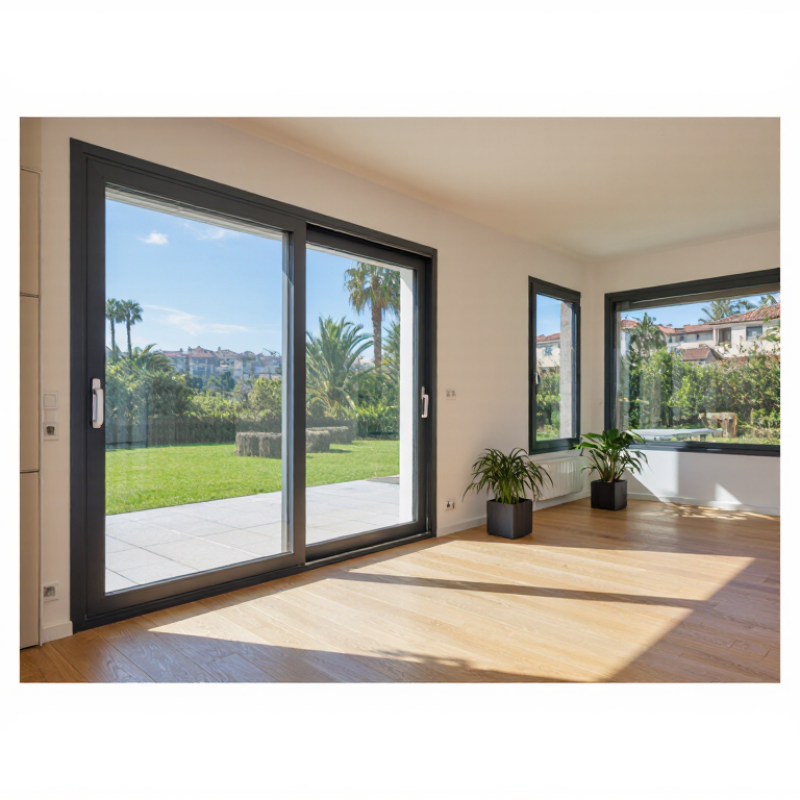
Define Your Needs, Budget, and Project Requirements
Before comparing aluminum doors and windows, define how your home will use them. A south-facing room may need solar-control glass, while a street-facing bedroom may need better acoustic insulation. Measure each opening carefully, including wall thickness, sill height, and space for handles. Measure twice. Small errors can delay installation.
Set a realistic budget before requesting quotations. Include frames, glass, hardware, delivery, removal, installation, and possible structural repairs. A low frame price can become expensive after these extras appear. Decide where performance matters most: thermal efficiency, security, ventilation, daylight, or appearance. For coastal homes, ask about corrosion resistance and drainage design. For large sliding doors, check the track capacity and threshold details.
Project conditions should guide the final specification. Ask an experienced installer to inspect the openings, not only review photographs. Request clear technical data, warranty terms, maintenance instructions, and evidence that the system meets relevant local standards. Compare the same glass type and hardware across quotations. Otherwise, the prices are misleading. One detail is easy to miss: inward or outward opening can affect furniture, curtains, and emergency access. I have seen attractive designs become inconvenient after installation. Leave room for revision, even when the drawing looks perfect.
Compare Aluminum Grades, Finishes, and Thermal Performance
Tip 1: Confirm the alloy before comparing prices. Architectural frames commonly use 6063 aluminum, while temper designations affect strength and machinability. Ask for mill certificates, not vague “premium grade” claims.
Tip 2: Check the thermal break. A polyamide separator reduces direct heat transfer through the frame. Tip 3: Compare whole-window U-factor, not frame U-factor alone. Lower U-factor generally means better insulation. Tip 4: Review the Solar Heat Gain Coefficient, or SHGC, for your climate. Lower values can reduce summer heat, but cold regions may benefit from controlled solar gain. The U.S. Department of Energy reports that windows can represent 25–30% of residential heating and cooling energy use. Small specification errors matter. Tip 5: Request independently verified ratings, such as NFRC-certified values.
Tip 6: Inspect the finish standard. AAMA 2603 suits basic interior exposure, while AAMA 2604 and 2605 provide stronger exterior performance. Tip 7: Compare anodizing with powder coating. Anodizing reveals the metal texture, while powder coating offers broader colors. Tip 8: Ask about coastal testing if salt air is present. Tip 9: Examine drainage holes, gaskets, and corner joints. These details often decide real-world performance.
Tip 10: Test a full-size sample. Touch the frame on a cold morning. Condensation may still appear, especially with high indoor humidity. I have seen attractive samples perform poorly after installation because the wall connection was ignored. The National Fenestration Rating Council emphasizes complete-product ratings, and that is a useful reminder: excellent aluminum alone cannot repair weak glazing, poor installation, or an unsuitable finish.
Check Door and Window Sizes, Configurations, and Opening Styles
Buying aluminum doors and windows often starts with appearance, but accurate sizing prevents expensive trouble. Measure width and height at three points, not one. Walls can vary by several millimeters. Record the smallest measurement, then confirm the opening depth and sill condition. Leave the recommended installation allowance. A tight fit looks neat, yet it leaves little room for adjustment.
Configuration matters as much as size. Decide whether a window needs one fixed panel and one operable panel, or two moving sashes. For doors, compare single, double, sliding, and folding layouts. A sliding door saves interior space, while a hinged door usually gives a wider clear opening. Check the handle position, threshold height, and nearby furniture. A door may open correctly on paper but strike a cabinet in real life. Think about screens, curtains, and cleaning access too.
Opening style should match daily use, weather, and ventilation needs. In a rainy area, an outward-opening unit may require careful drainage and sheltered placement. In a narrow hallway, inward movement can become annoying. I once measured only the visible frame and missed a projecting trim; the selected unit needed revision. That mistake was avoidable. Use a simple sketch, mark the swing arc, and verify every dimension before ordering. Ask for the finished opening size, not only the frame size. Keep measurements, drawings, and configuration notes together. Small details matter.
Top 10 Tips for Buying Aluminum Doors and Windows: Check Sizes, Configurations, and Opening Styles
This chart compares commonly referenced minimum clear opening dimensions for accessible doors and emergency escape windows. Accessible doors generally require at least 32 inches of clear width, while emergency escape windows commonly require a minimum clear width of 20 inches and a minimum clear height of 24 inches. Always confirm local building codes, rough-opening measurements, frame depth, configuration, and installation tolerances before ordering.
Evaluate Glass Options, Energy Ratings, Security, and Durability
Top 10 Tips for Buying Aluminum Doors and Windows
Tip 1: Compare glass performance, not just appearance.
Double glazing can reduce heat transfer and outside noise. Low-emissivity coatings help control indoor temperatures. In hot climates, lower solar heat gain may matter more than maximum daylight. Ask for the U-value and solar heat gain coefficient. These figures are more useful than vague claims such as “energy efficient.”
Tip 2: Check the complete energy rating.
A strong frame cannot compensate for poor glass or weak seals. Look for thermal breaks inside the aluminum profile. Inspect the corners, gaskets, and drainage paths. Small gaps can create noticeable drafts during windy weather. I once focused too heavily on the frame finish and underestimated installation quality. That was a costly lesson. Ratings should come from recognized testing procedures, with documentation available for review.
Tip 3: Test security features in person.
Multi-point locks, reinforced hinges, and laminated glass can improve resistance to forced entry. However, complicated hardware may be difficult to repair later. Ask how replacement parts are sourced and whether technicians are trained. Smooth operation matters. Try each handle and lock before purchasing.
Durability also depends on the environment. Coastal air can accelerate corrosion, while strong sunlight may fade inferior finishes. Select a tested surface treatment and confirm its maintenance requirements. Inspect sample corners for solid construction, clean welds, and consistent seals. A lower quote may seem sensible, but thin profiles and rushed fitting can reduce service life. Get installation details in writing.
Verify Installation Quality, Warranties, Maintenance, and Supplier Support
Buying aluminum doors and windows involves more than comparing frame colors or glass thickness. Installation quality often decides whether the product performs as promised. The U.S. Department of Energy reports that windows can represent 25–30% of residential heating and cooling energy use. Poor sealing can increase drafts, condensation, and noise. Ask the installer for a written method statement, including opening preparation, shimming, fastener spacing, flashing, and perimeter sealing. Request photographs before the interior trim hides the work. Small gaps matter.
Check certification labels and performance data from recognized bodies such as the National Fenestration Rating Council. Confirm U-values, solar heat gain coefficient, air leakage, and water resistance for your climate. Aluminum can conduct heat efficiently, so thermal breaks deserve close attention. A beautiful frame is not enough. It is easy to overlook this detail.
Read the warranty before paying the deposit. Separate coverage for frames, glass, hardware, finishes, labor, and installation may apply. Check exclusions, response times, and who handles service after installation. The U.S. Federal Trade Commission advises consumers to understand warranty terms and obtain promises in writing. Ask how replacement parts will be supplied five years later. Supplier support is practical, not decorative. Keep invoices, drawings, serial records, and maintenance instructions together. Clean tracks and drainage paths regularly, but avoid harsh chemicals that can damage finishes. No checklist is perfect; I would still inspect the first installed unit before approving the remaining work.
FAQS
Confirm the alloy before comparing prices. Architectural frames often use 6063 aluminum. Ask for mill certificates, not vague quality claims.
A polyamide separator reduces direct heat transfer through the frame. It can improve comfort near the window. Glass and installation still matter.
Compare the whole-window U-factor. Lower values generally indicate better insulation. A strong frame cannot fix weak glazing.
Check the SHGC for your climate. Lower values can reduce summer heat. Cold regions may need some controlled sunlight.
Basic finishes suit limited exposure. Stronger exterior finishes offer better durability. Anodizing shows metal texture, while powder coating provides more color choices.
Examine drainage holes, gaskets, corner joints, and the threshold. Test a full-size sample. Touch the frame on a cold morning.
Yes, especially when indoor humidity is high. Good specifications reduce risk, but they cannot eliminate every moisture problem.
Measure width and height at three points. Record the smallest measurement. Confirm opening depth, sill condition, and installation allowance.
Sliding doors save interior space. Hinged doors often provide a wider clear opening. Check furniture, handle position, screens, curtains, and cleaning access.
Do not measure only the visible frame. Projecting trim can change the finished opening. Draw the swing arc and verify every dimension. Small mistakes become expensive.
Conclusion
When considering “What should be paid attention to when purchasing aluminum doors and windows,” start by defining your project needs, preferred style, installation area, and total budget. Compare aluminum grades, surface finishes, profiles, and thermal-break designs to ensure the products provide suitable strength, appearance, insulation, and long-term performance. Carefully confirm dimensions, opening directions, frame configurations, and ventilation requirements so the doors and windows fit the building correctly and operate comfortably.
You should also evaluate glass types, energy-efficiency ratings, sound insulation, safety features, weather resistance, and hardware durability. Before placing an order, verify the supplier’s measurement and installation process, product warranty, maintenance instructions, delivery terms, and after-sales support. A reliable purchase should balance appearance, functionality, energy performance, security, quality, and service rather than focusing only on the initial price. Clear communication and written specifications can help prevent misunderstandings and ensure the final products meet your expectations.
 Topanish Door
