 Topanish Door
Topanish Door
Topanish Door
Choosing aluminum doors and windows in 2026 is not simply about selecting a modern frame. The right system must balance thermal performance, weather resistance, security, appearance, and long-term maintenance. A slim black frame may look impressive in a showroom. Yet it can feel cold or collect condensation if the thermal break is weak. This is where careful comparison matters.
What are the key points of choosing aluminum doors and windows? The answer begins with verified product data, not attractive photographs. Check U-values, air leakage, water resistance, wind ratings, glass specifications, and hardware quality. Ask whether testing applies to the complete window or only one component. That distinction is easy to miss. Experienced installers also inspect drainage paths, gasket joints, corner connections, and sill height. A few millimeters of poor alignment can create drafts, rubbing, or difficult locking.
Material thickness matters, but thicker does not automatically mean better. Design pressure, span, opening size, and local climate must guide the selection. For coastal homes, finishes should resist salt exposure. For busy streets, laminated acoustic glass may improve daily comfort. For large sliding doors, rollers and tracks deserve special attention. Small details matter. One honest limitation remains: premium systems cost more upfront. However, weak hardware or poor installation can erase the value of expensive frames. This guide examines practical choices, common oversights, and questions worth asking suppliers. It supports decisions that remain dependable after the showroom shine fades.
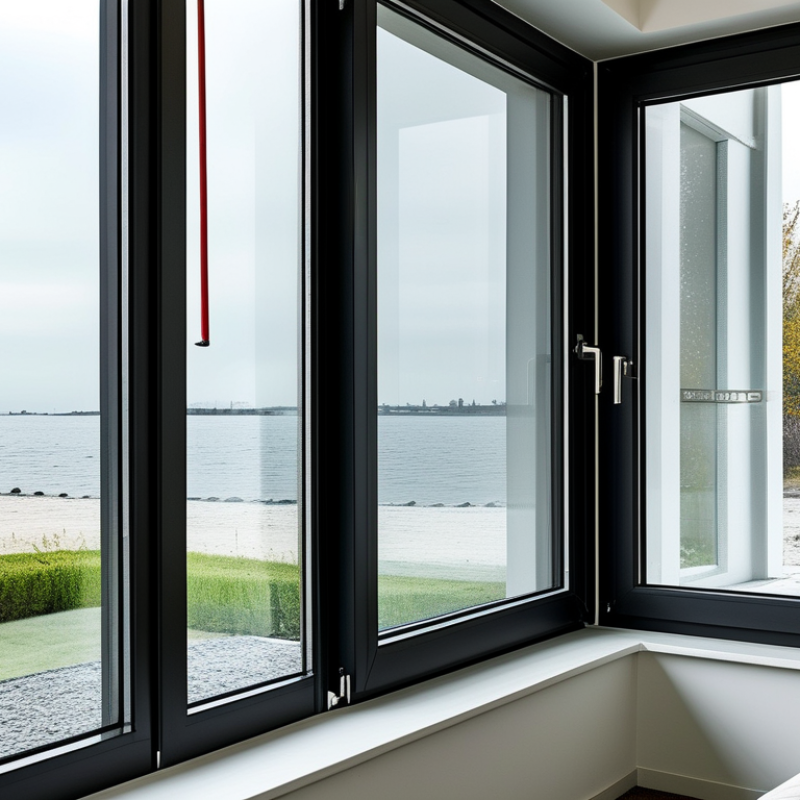
Before choosing aluminum doors and windows, define how your home actually works. Measure each opening, note sunlight, wind exposure, noise, and daily traffic. A wide living-room opening may need sliding panels, while a narrow bathroom window may benefit from a secure awning design.
Think about comfort, not appearance alone. In a hot climate, thermal breaks and low-emissivity glazing can reduce heat transfer. In colder areas, insulated frames and well-fitted seals matter more. Check the glass specification carefully. Double glazing may improve indoor comfort, but it can also increase weight and installation demands.
Security needs a practical review. Confirm the lock positions, frame strength, and resistance to forced movement. Families with children may prefer openings with controlled ventilation. Coastal properties require finishes and hardware suited to salt-heavy air. Maintenance still matters. Dust can collect in sliding tracks, and poor drainage can create staining.
I once focused too heavily on frame color and underestimated opening width. The result looked attractive but felt awkward to use. That mistake changed my checklist. Place furniture on the plan, test handle heights, and imagine carrying groceries through the main entrance. Ask an experienced installer to inspect wall conditions before ordering. Small measurement errors can become expensive corrections. Leave room for uncertainty, especially in older buildings where openings may not be perfectly square.
| Decision Dimension | Questions to Define Your Needs | Recommended Specification or Target | Why It Matters | Practical Selection Tip | Priority |
|---|---|---|---|---|---|
| Climate and Weather | Will the doors or windows be exposed to severe heat, cold, rain, wind, or coastal air? | Choose a thermally broken aluminum system for mixed or cold climates. For coastal locations, specify corrosion-resistant finishes and suitable hardware. | Thermal breaks reduce heat transfer through the aluminum frame, while appropriate finishes and hardware help resist moisture and salt exposure. | Ask for documented air, water, and structural performance tests suited to the project location. | High |
| Energy Efficiency | Is the main goal lower heating and cooling demand? | Compare whole-window U-factor and Solar Heat Gain Coefficient (SHGC), not frame material alone. Lower U-factor generally means better insulation. | Glass, spacers, frame design, and installation all affect the complete product's thermal performance. | Use lower SHGC for strong sun and cooling-dominated climates; use moderate or higher SHGC where useful winter solar heat is desired. | High |
| Glazing | Do you need better insulation, solar control, daylight, or sound reduction? | Consider double glazing for many standard applications and triple glazing where colder conditions or higher insulation performance justify the additional weight and cost. | Glazing often represents the largest area of a window or door, so it strongly influences comfort, energy use, and noise control. | For safety-critical locations, evaluate laminated or tempered safety glass according to local building requirements. | High |
| Opening Type | How much ventilation, access, and floor space are required? | Use casement or awning units for strong ventilation and compression sealing; use sliding units where operating space is limited; use hinged doors for frequent access. | Each opening style has different strengths in ventilation, weather sealing, clearance, maintenance, and accessibility. | Mark furniture, walkways, and operating clearances on the floor plan before selecting the opening method. | High |
| Size and Structural Load | Are you planning oversized glass panels, wide doors, or tall openings? | Confirm maximum panel dimensions, glass weight, wind-load design, deflection limits, and hardware capacity with the manufacturer or engineer. | Larger openings increase structural, glazing, handling, and hardware demands. The visual size alone does not confirm suitability. | Provide opening width, height, location, building height, and local wind conditions before requesting a quotation. | High |
| Air and Water Tightness | Is the building exposed to driving rain or strong wind? | Request independently tested air leakage, water penetration, and structural performance results for the selected configuration. | Weather performance depends on the complete assembled unit, including joints, seals, drainage paths, and installation. | Do not compare ratings from different test standards without checking the test method and product configuration. | High |
| Acoustic Comfort | Is the property near traffic, railways, airports, or other noise sources? | Consider laminated acoustic glass, different glass thicknesses, insulated cavities, and well-sealed frames. Compare laboratory sound ratings where available. | Noise reduction is affected by glazing, frame seals, installation gaps, ventilation openings, and the weakest part of the building envelope. | Identify the dominant noise frequency before choosing glass; a generic sound rating may not address every noise type equally. | Medium |
| Security | What level of resistance to forced entry is appropriate? | Specify multi-point locking where suitable, robust keeps, concealed or security-rated hardware, and laminated glass for vulnerable locations. | Security is a system issue involving the frame, lock, hinges, glass, fixings, and surrounding wall—not just the aluminum profile. | Use independently tested security classifications when required by the building type, insurer, or local regulations. | High |
| Safety and Accessibility | Will children, older adults, wheelchair users, or the public use the opening? | Consider low thresholds, easy-to-operate handles, visible glass markings, controlled opening restrictors, and safety glazing where required. | Correct thresholds and operating forces can improve access, reduce trip risks, and support compliance with accessibility rules. | Check local requirements for clear opening width, threshold height, guard protection, and impact-resistant glazing. | High |
| Finish and Color | What appearance and exposure resistance are needed? | Choose a professionally applied powder-coated or anodized finish suitable for the exposure category and maintenance plan. | Finish quality affects appearance, weather resistance, cleaning requirements, and long-term corrosion protection. | Confirm color consistency, touch-up procedures, warranty terms, and cleaning instructions before approval. | Medium |
| Maintenance | How much routine care can the owner provide? | Plan periodic cleaning of frames, tracks, drainage holes, gaskets, and hardware. Keep drainage paths clear and replace worn seals when needed. | Regular maintenance supports smooth operation, weather resistance, and longer service life. | Avoid abrasive cleaners and confirm which lubricants and cleaning products are compatible with the finish and seals. | Medium |
| Installation Quality | Who will measure, install, seal, and commission the units? | Use trained installers and require a written installation method covering leveling, anchoring, insulation, perimeter sealing, drainage, and adjustment. | Even a high-performing product can leak, bind, or lose energy efficiency if it is incorrectly measured or installed. | Measure the actual structural opening after confirming site conditions; inspect seals, drainage, operation, and protection before handover. | High |
| Budget and Life-Cycle Cost | Is the priority the lowest purchase price or the best long-term value? | Compare the complete cost: product, glass, hardware, delivery, installation, maintenance, energy performance, and expected replacement parts. | A lower initial price may result in higher heating, cooling, maintenance, or replacement costs over the service life. | Request itemized quotations with identical sizes, glass specifications, finish, hardware, testing, and installation scope. | High |
| Codes and Documentation | What approvals and project records are required? | Verify local requirements for thermal performance, safety glazing, egress, ventilation, accessibility, wind load, fire separation, and energy compliance. | Building regulations differ by location and application; documentation helps confirm that the selected configuration is permitted. | Keep product drawings, test reports, energy data, finish information, installation records, and maintenance instructions. | High |
Note: Performance targets and compliance requirements vary by climate, building type, opening size, local codes, and test standards. Always verify final specifications with the project designer, engineer, local authority, and qualified installer.
: Measure every opening. Note sunlight, wind, noise, and daily traffic. A wide living-room opening may need sliding panels. A narrow bathroom window may suit an awning design.
Small errors can cause expensive corrections. Older walls may not be perfectly square. Place furniture on your plan. Leave some room for uncertainty.
Choose thermally broken profiles with a continuous insulating barrier. Untreated aluminum transfers heat quickly. Check the whole-window U-factor, not only the glass rating. Lower values usually indicate better insulation.
Double glazing may suit mild regions. Triple glazing can improve comfort in colder areas. Remember, thicker glass adds weight and installation demands. More layers are not always better.
Review the low-emissivity coating and solar heat gain coefficient. Lower solar gain can help sunny rooms, but excessive reduction may increase heating needs.
Check air leakage ratings, warm-edge spacers, sealed corners, and installation depth. Stand beside a sample on a windy day. Feel for drafts. It is not a laboratory test.
Confirm lock positions, frame strength, and resistance to forced movement. Families with children may prefer openings with controlled ventilation. Handle height matters too.
Dust can collect in sliding tracks. Poor drainage may create staining. Clean tracks regularly and inspect drainage paths. Coastal homes need finishes and hardware suited to salty air.
Very important. Accurate installation protects the window’s tested performance. Ask an experienced installer to inspect wall conditions before ordering. I once focused on glass specifications and overlooked installation depth. The finished room still felt chilly.
Choosing the right aluminum doors and windows begins with clearly defining your needs, including size, location, style, ventilation, daylight, and security expectations. Compare frame types, finishes, designs, and opening styles to find a solution that matches your building’s architecture and daily use. It is also important to evaluate energy efficiency by reviewing glass specifications, thermal breaks, air tightness, and overall insulation performance. These factors can improve indoor comfort and help manage long-term energy costs.
What are the key points of choosing aluminum doors and windows? Buyers should carefully check material quality, hardware strength, security features, weather resistance, durability, and maintenance requirements. Professional installation is essential, so confirm that the installer follows suitable construction standards and provides accurate measurements. Finally, review warranty coverage, service terms, expected lifespan, and the total cost, including delivery, installation, maintenance, and possible future repairs. A balanced decision should consider performance, appearance, reliability, and value rather than focusing only on the initial price.
